
family tree printable preschool opens a playful doorway to family exploration. As a game designer, I shape these prints with clear rules, quick-start prompts, and adaptable layouts that fit short attention spans while inviting curiosity about relatives and stories.
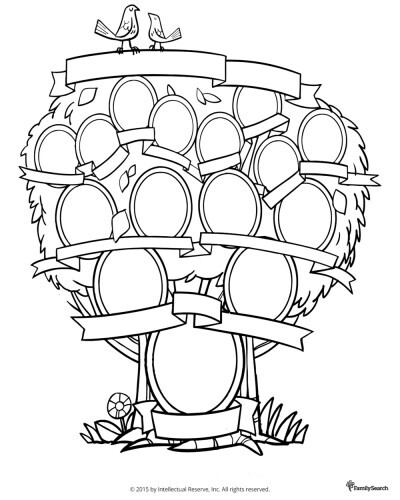
These printables function like a lightweight game: players take turns adding a family member to the tree, talk through a simple prompt, and connect lines with a crayon or marker. The rules stay small and visible – no guessing games, just clear steps that respect preschoolers' pace. Variations let you scale up or down based on attention and language skills. You can add a storytelling prompt, like 'Tell me a memory about this relative,' which turns the tree into a tiny narrative. For non-readers, using pictures and simple icons helps participation without friction. The result is a tactile, visual tool that supports memory, language, and social interaction in short, repeatable sessions.
How to play
Start with a single page that shows a simple tree trunk and blank branches. Invite the child to name the first relatives aloud, then place photos, stickers, or drawings on matching branches. Use color coding to indicate generations, and keep interactions brief—five minutes per round works well. After each turn, recap what was added to reinforce memory and language. If a child resists naming a relative, offer a photo cue or a gentle hint instead of pressuring. Build a tiny win by rewarding completion of a branch with a sticker, a sticker on the trunk, or a moment of praise. This ensures motivation stays high without turning play into repetition.
To make it a social, collaborative activity, pair the child with a partner and assign gentle roles: storyteller, connector, color-coder. Keep a timer to add a playful rhythm, and offer gentle prompts like 'Who comes next?' or 'What color fits this branch?' If a child struggles with a name, use a picture cue or a family photo to spark recognition. Allow a grownup to model a line or a branch placement first; then fade that support as the child gains confidence. Encourage celebratory chatter—'I love how you added grandma!'—to normalize trying, error, and success within a safe, friendly game space.
Setup tips
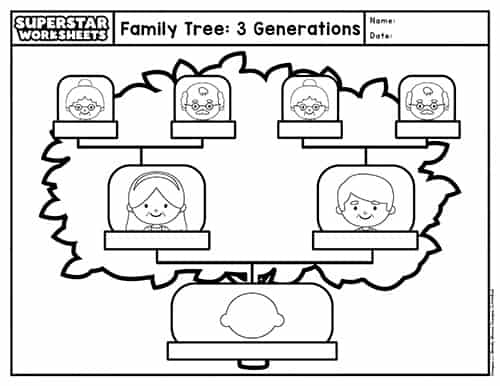
Quick setup guide for the classroom or home: print a single sheet, gather crayons, glue, and a few family photos. Tell the child you are building a story map, then start with one branch and expand. The game design principle here is to reduce friction: clear actions, predictable turns, and positive feedback after each addition. If the child finishes early, switch to a bonus round where they rename relatives or add a pet, which deepens connection without adding pressure. Keep the pace gentle by offering optional pauses between steps and inviting the child to lead when ready.
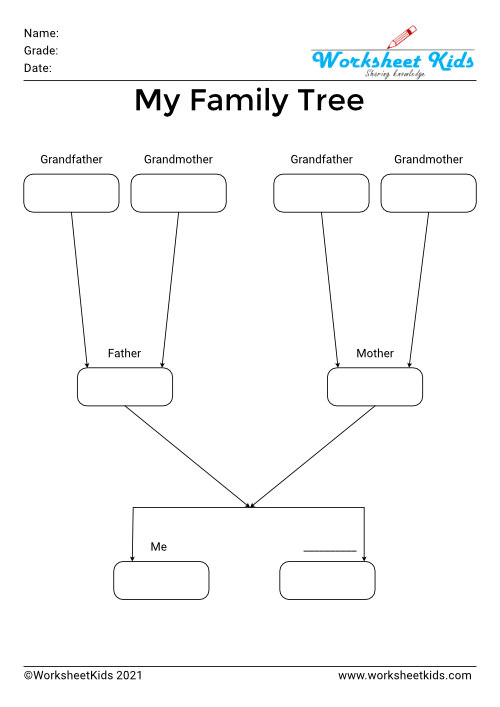
Beyond the first pass, you can introduce small extensions: a 'memory match' where kids pair a photo with a name, or a storytelling prompt that asks for a sentence about each relative. These options keep the activity fresh, useful for limited spaces, and friendly to classrooms with mixed ages. For early readers, label branches with simple words and icons; for pre-readers, rely on pictures alone. Rotate roles so different kids get to try something new, and keep a visible progress tracker so everyone can see growth over several sessions.
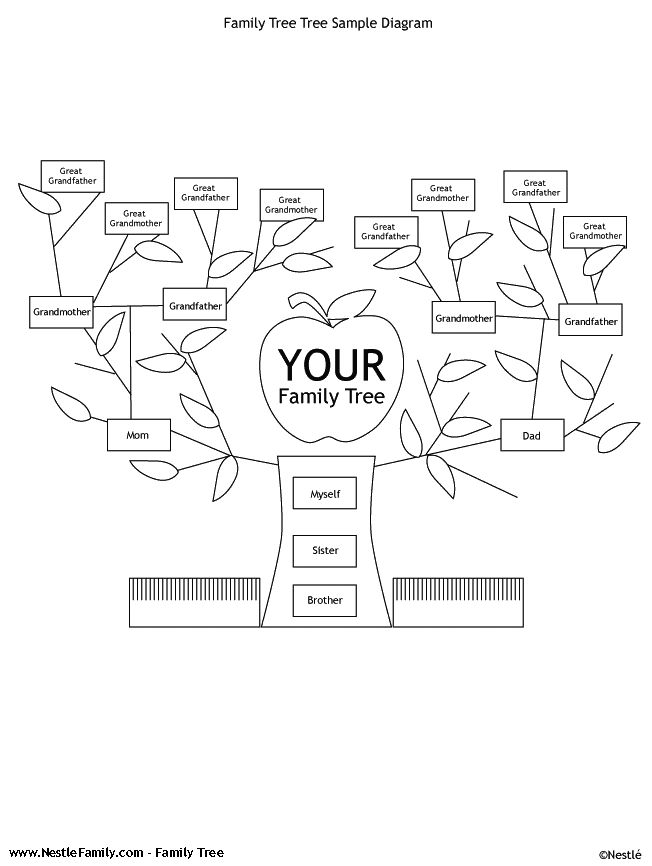
With a little design discipline, family tree printable preschool becomes a repeatable, joyful ritual rather than a one-off worksheet. Keep the layout modular so a new relative can be added without reprinting the whole set. When used thoughtfully, these prints invite conversation, memory, and a playful sense of belonging. You can store each session in a simple binder or folder, then revisit branches to add new generations as stories evolve. The goal is to make learning feel like play, not a test, so every family moment earns a sense of progress.