
Printing more pages isn’t the secret to smarter play. A single minecraft characters coloring pages image, thoughtfully approached, can spark five very different experiences. The payoff comes from how adults frame questions, prompts, and connections around the page, not from extra copies.
That shift in focus turns printables into learning tools. When a page is used with curiosity, children notice details, compare colors, and begin to ask why the character looks the way it does. The aim is to invite exploration, discussion, and creativity rather than simply finish a picture.
Activity One — Color and Observe
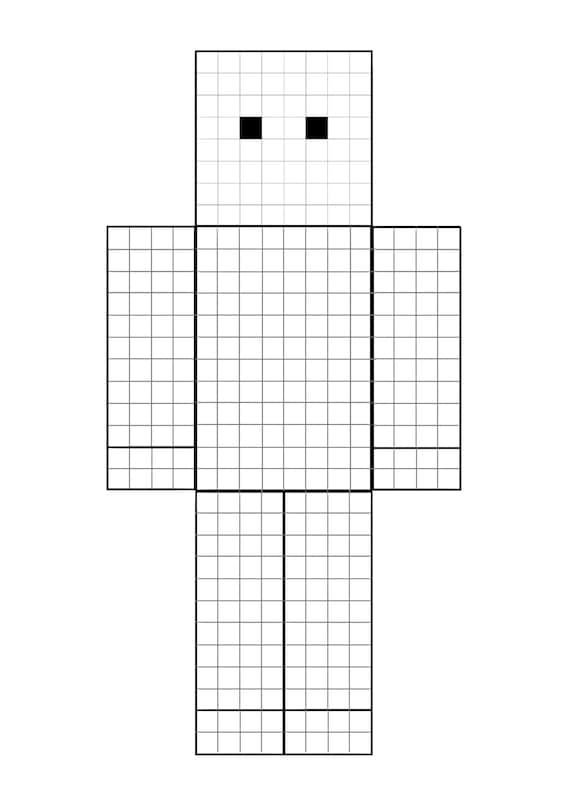
Activity One invites children to study the illustration before any color is added. They look for shapes, outlines, and pixels that echo familiar Minecraft characters. Ask them to describe what they can identify—the helmet shape, the placement of blocks, the mood of the character—and to point to areas they might color first. This mindful looking builds vocabulary and attention, two foundations for later thinking.
After the observation, children begin adding color with a purpose. They can compare how shading changes the feeling of the image, or predict how light might fall on each blocky surface. The page becomes a science-like exercise in observation and inference, establishing a calm pace before any storytelling or writing starts. They can record their observations in a simple chart to track changes over time and compare results with friends. Encouraging palette experimentation helps them notice how color relations influence mood and clarity, while keeping the activity cooperative and peaceful.
Activity Two — Color and Tell
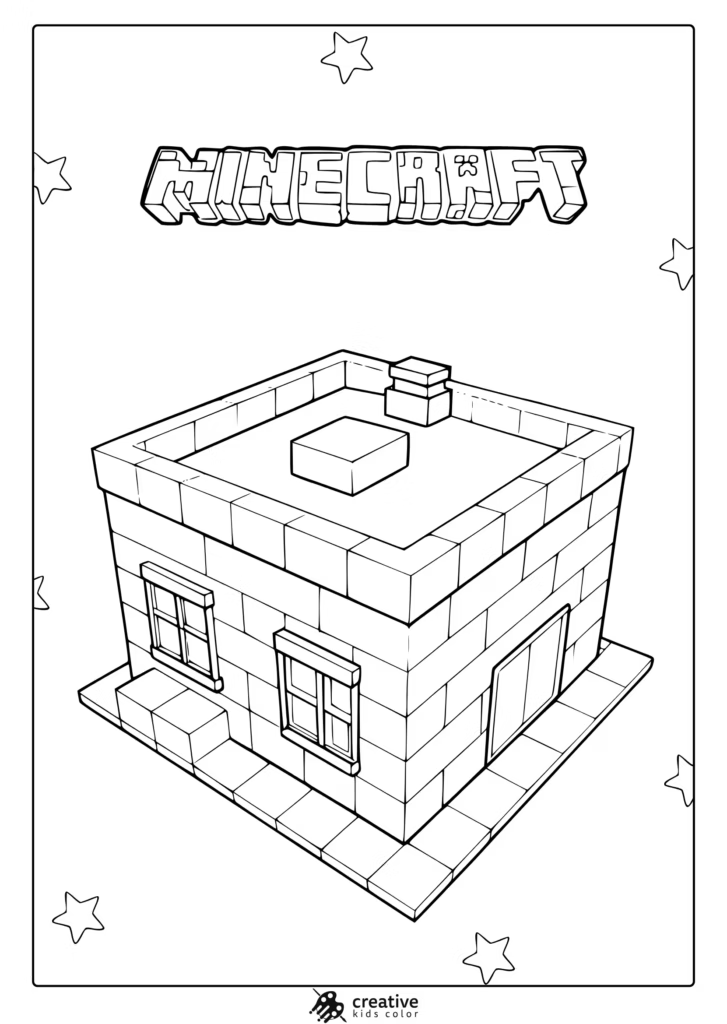
Activity Two shifts the focus to language and storytelling. With the same image, children share what they see, invent a backstory, or craft a quick dialogue between characters. Prompts such as What happened here? or What would you name this creature? help them practice speaking and listening. As they color, they weave evidence from what they observed into a narrative, linking color choices to character traits and events. A finished page then reads like a tiny comic, ready to be shared with a partner or class. Peer feedback can focus on clarity of ideas and how color choices support the story line.
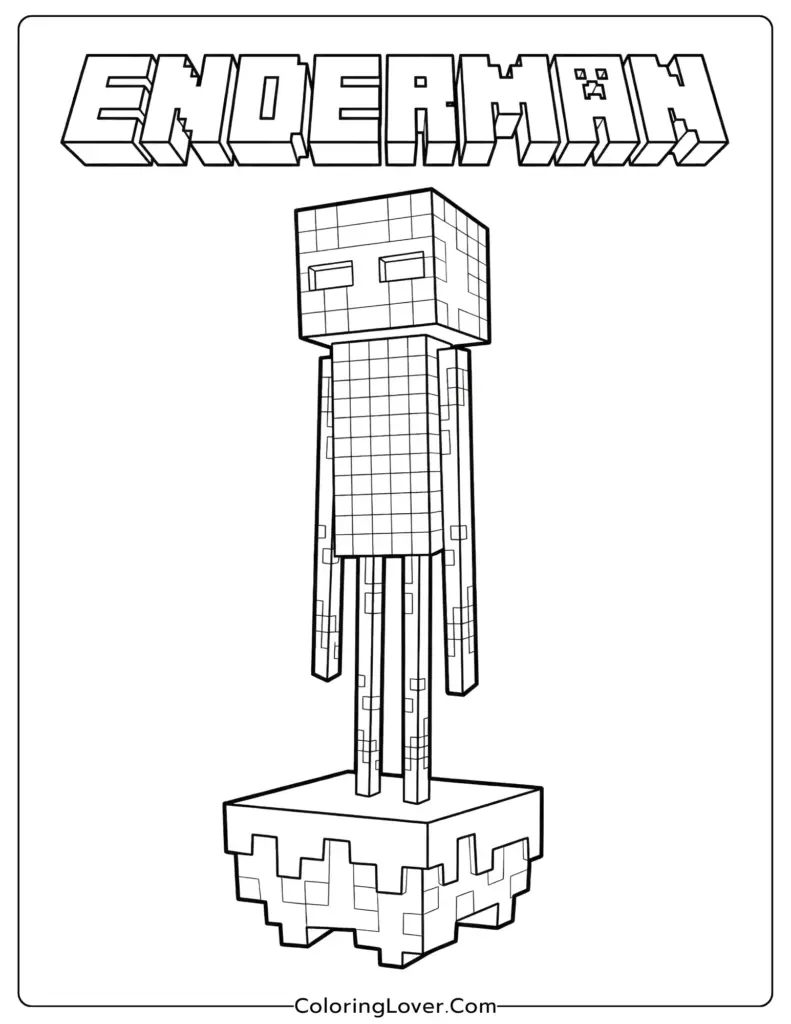
Activity Three — Color and Research: This step invites a light research phase. Children can look up basic facts about the Minecraft world, or about color theory and pixel art. They can compare the page design to game sprites, note which colors feel faithful, and jot discoveries in a notebook. This bridges art and inquiry, showing how a simple page can become a stepping stone to fact-finding and digital literacy.
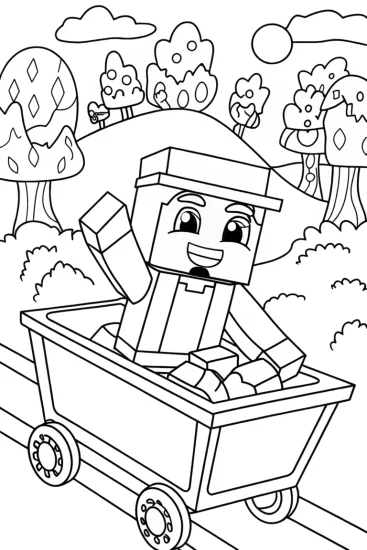
How to Choose the Best Extension: Not all extensions fit every child. Consider age, attention span, and curiosity. Some kids benefit from shorter prompts and more discussion, while others thrive on longer projects that connect to reading or writing standards. When you plan, pick one or two pathways from the five experiences described here and reserve a second page for deeper work if interest remains. How Parents Can Use This at Home: Parents can turn a single page into a family activity by setting a small goal, such as describing colors aloud, telling a story, or building a quick paper craft. This keeps the session manageable, reinforces turn-taking, and helps kids see the page as a starting point rather than an ending. How Teachers Can Use This in Class: In a classroom, rotate the page through stations: observation, storytelling, inquiry, and creation. Display finished projects, collect quick reflections, and connect the activity to standards in language, science, and art. By blending these modes, teachers can transform a simple printable into a multi-faceted learning experience. Conclusion: The printable page is the starting material, not the finish line. The real value comes from the interaction around it—questions, collaboration, and imaginative play that turn one image into a world of ideas.