
A cleaning schedule printable helps families and classrooms build predictable routines with clear steps. Its accessible design supports learners who rely on visuals, checklists, and flexible pacing. Used consistently, it reduces stress and supports participation for diverse learners.
Cleaning schedule printable resources typically include a weekly checklist, a calendar grid, and labels for common chores. For learners who rely on visuals, color coding, simple icons, and short phrases make directions easier to follow. Such printables help families and teachers align routines, reducing drift on busy days. In classroom settings, they support independence, time management, and ownership of tasks. They also provide a concrete reference that students can revisit when they feel uncertain. A well designed sheet invites participation from learners with a range of strengths and needs.
Start with a clear layout: put frequent chores at the top and leave room for notes. Use large print, high-contrast colors, and simple icons to aid recognition. Break tasks into small steps: wipe, dry, and return, for example. Offer choices when possible to support motivation and autonomy. Allow students to select days or rotate responsibilities weekly to build predictability. Use checkboxes, color markers, or tactile tags so completion is observable in different ways. Keep sentences short and concrete to reduce confusion.
Accessible design tips
A weekly template can anchor routines without overwhelming learners. A calendar-style layout works well for some students, while others prefer a straightforward checklist. Laminating pages and using dry-erase markers supports reuse and independence. Include a short space for reflections or quick notes so caregivers can share strategies. Keep the page simple but flexible, with room to adjust as needs change.
Ways to use it
Introduce the printable in small steps and model how to use it. Start with one routine, then add tasks as confidence grows. A timer helps pace transitions and reinforces time awareness. Invite students to customize with colors or symbols that reflect their strengths. Use a predictable sequence: review, choose actions, complete tasks, and check them off. Regularly review progress with students and families, noting what works and what needs simplification.
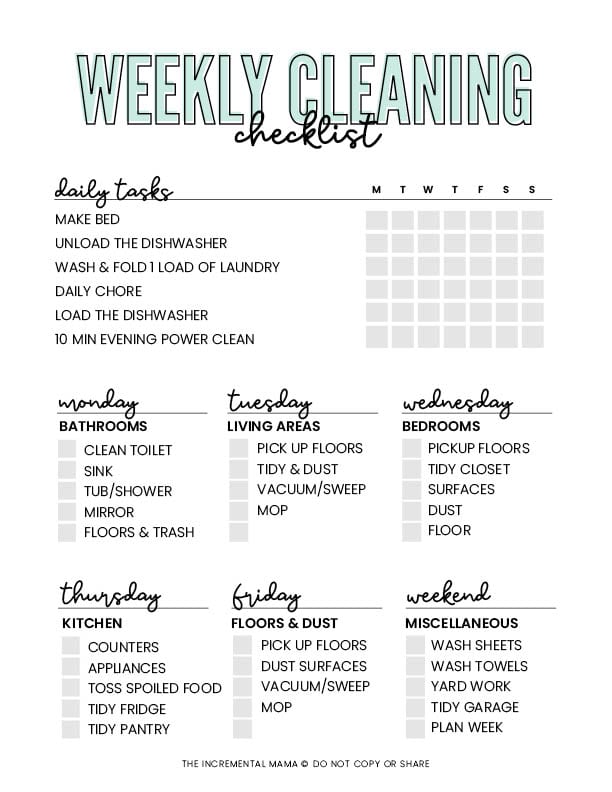
Offer multiple formats when possible: a printable worksheet, a calendar view, and a compact card version for on-the-go moments. Keep language simple and avoid clutter; spacing matters. Use universal design basics like larger fonts, generous margins, and high contrast. Allow personalization with colors, stickers, or tactile aids so students feel ownership.
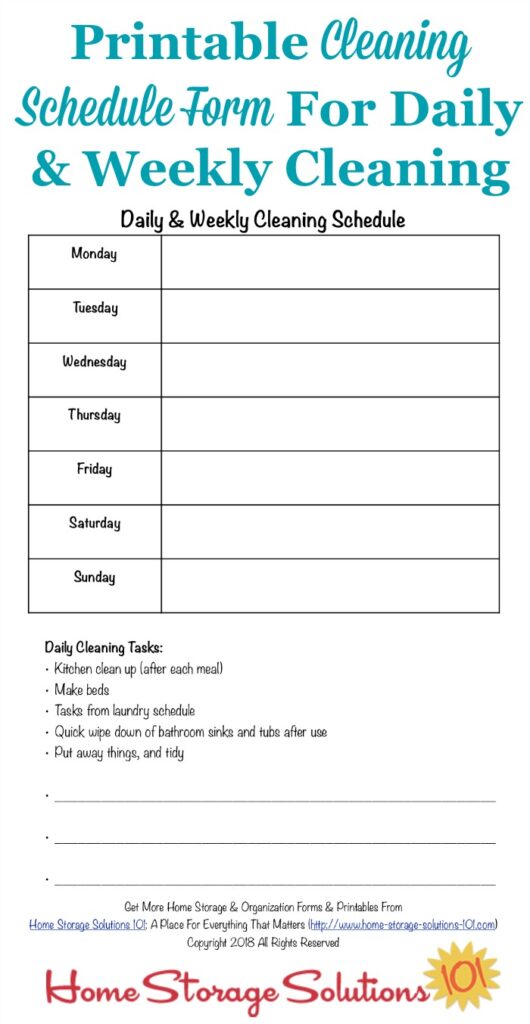
Consistency beats perfection, so set realistic rhythms for review and adjustment. Schedule check-ins every two to four weeks to adapt tasks to growth. When routines feel predictable, anxiety decreases and participation rises. Gather feedback from families so changes support home routines as well as school days. Celebrate small wins to reinforce effort and independence.
Building a small library of cleaning schedule printables that centers accessibility takes time and care. Start with a simple template and add supports as learners demonstrate readiness. A thoughtful, flexible approach makes routine tasks meaningful and doable for many students. With patience and collaboration, these printables become a shared tool that supports dignity, independence, and daily achievement.