
As an instructional coach, I help teachers turn budgets into clear steps. This expense tracker printable gives you a simple way to log purchases, monitor trends, and discuss spending with students. Use it weekly to plan, reflect, and improve classroom buying decisions.
To get started, choose the format that fits your context: a one-page weekly tracker for classroom purchases or a simple monthly ledger for events. This expense tracker printable format keeps every purchase in view and makes conversations about money normal in class. Create clear categories such as supplies, field trips, and miscellaneous, and set a realistic cap for each week. Have students participate by assigning roles—for example, note-taker, reconciler, and auditor—so accountability feels shared rather than imposed. Use receipts or digital copies to verify entries, and compare budgeted amounts to actual spend at the end of each period. This approach keeps money conversations concrete and actionable for learners. It also reduces behavior friction by offering a shared reference point.
Implementation steps
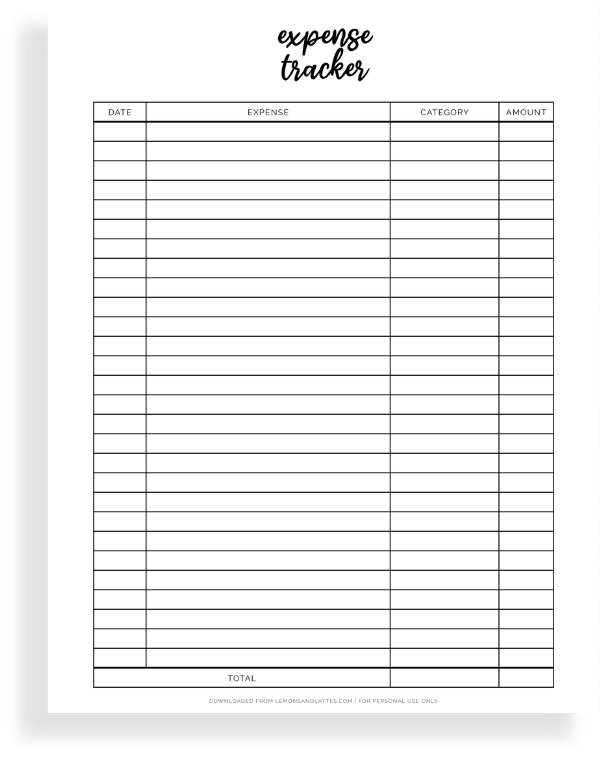
Design matters because a tidy layout reduces friction and invites consistent use. Keep the expense tracker printable simple: create a few columns for date, item, category, amount, and notes. Use generous but legible fonts and high-contrast shading so students with visual supports can follow along. Avoid clutter by limiting categories to a handful, and provide a quick legend at the top. If you share the sheet with families, include a small rubric for how the entries are reviewed, so expectations stay transparent. In classrooms with mixed-grade levels, offer tiered prompts: younger students summarize totals, older students analyze trend lines. If you cycle through the material during a literacy block, the activity doubles as a math warm-up.
Beyond routine purchases, an expense tracker printable supports field trips, parent-teacher nights, and classroom fundraising. Before a trip, learners pre-fill expected costs for transportation, entry fees, and meals, then compare forecast with actual receipts afterward. During fundraisers, assign roles to track donor contributions, expenses for materials, and the final tally. This practice keeps financial literacy visible and practical rather than abstract. If your district permits it, laminate the page and reuse with dry-erase markers, saving paper while maintaining a consistent workflow. The habit builds a shared language around money that teachers can extend into math lessons. Keep a simple digital backup of totals to support school finance audits.
Teacher tips
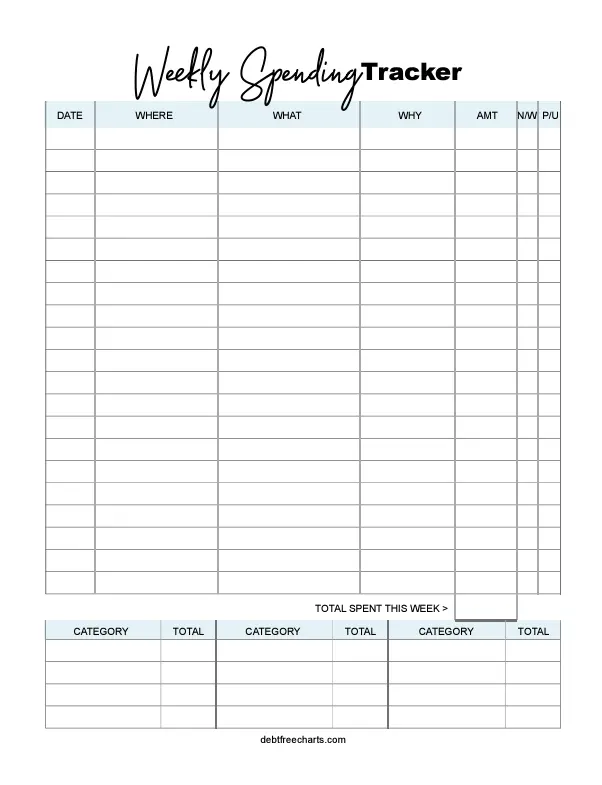
Try variations to fit different classrooms and time constraints. For a quick daily check, have students log three entries and total the day in under five minutes. For a more in-depth analysis, keep a running quarterly ledger and assign a data-spotter to notice spikes or seasonality. If you need a simpler entry method, switch to a one-row summary with date, total spent, and brief note. In multi-grade teams, share a single expense tracker printable and tailor tasks by grade level, so younger students practice counting while older students interpret the numbers for trends. Pair the printed tracker with a brief reflection rubric to document growth.
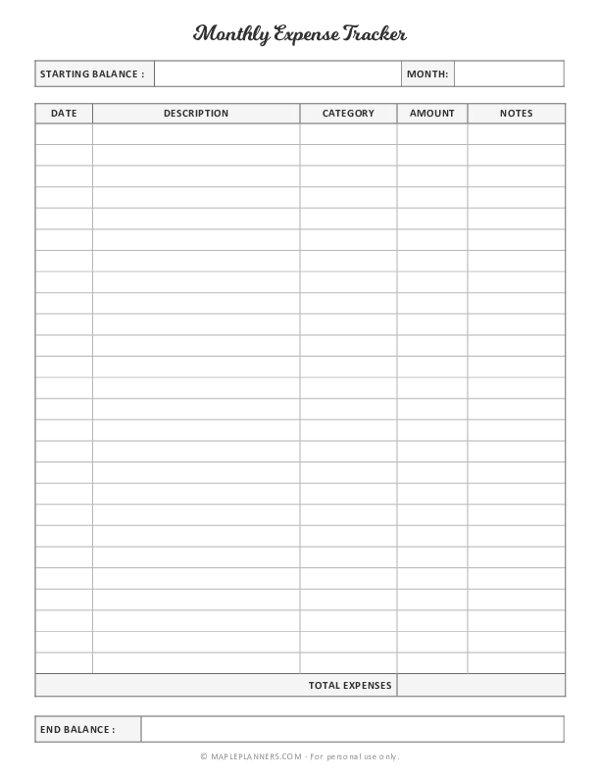
Accessibility matters when you print and distribute the sheet. Offer alternative formats such as a monochrome version, a large-print edition, or a kid-friendly icon set for categories. Color coding can help quick scanning: green for under budget, yellow for on track, red for over. If you are using it with younger students, pair it with a simple tally sheet and a calculator to reinforce counting skills without overwhelming them. For families at home, provide a one-page summary they can bring back to school, along with a short guided prompt for parent conversations. Always model privacy by guiding students to redact personal data.
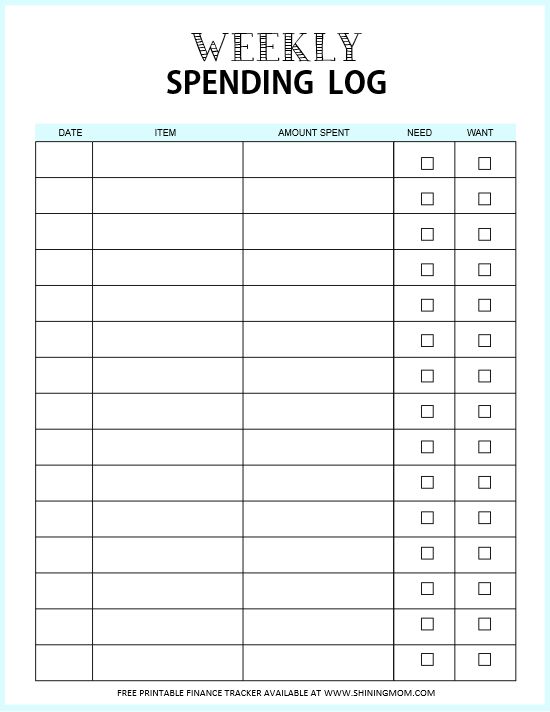
Roll out the expense tracker printable in a three-week sequence. Week one introduces the form and categories; week two adds entries and reconciliation; week three culminates in a class reflection on spend patterns and savings opportunities. Keep expectations clear: entries should be honest, receipts kept, and totals checked together. When used consistently, the tool supports responsible budgeting and builds transferable habits students can carry into math classes and future projects. Plan a quick celebration when a unit completes to reinforce the habit.