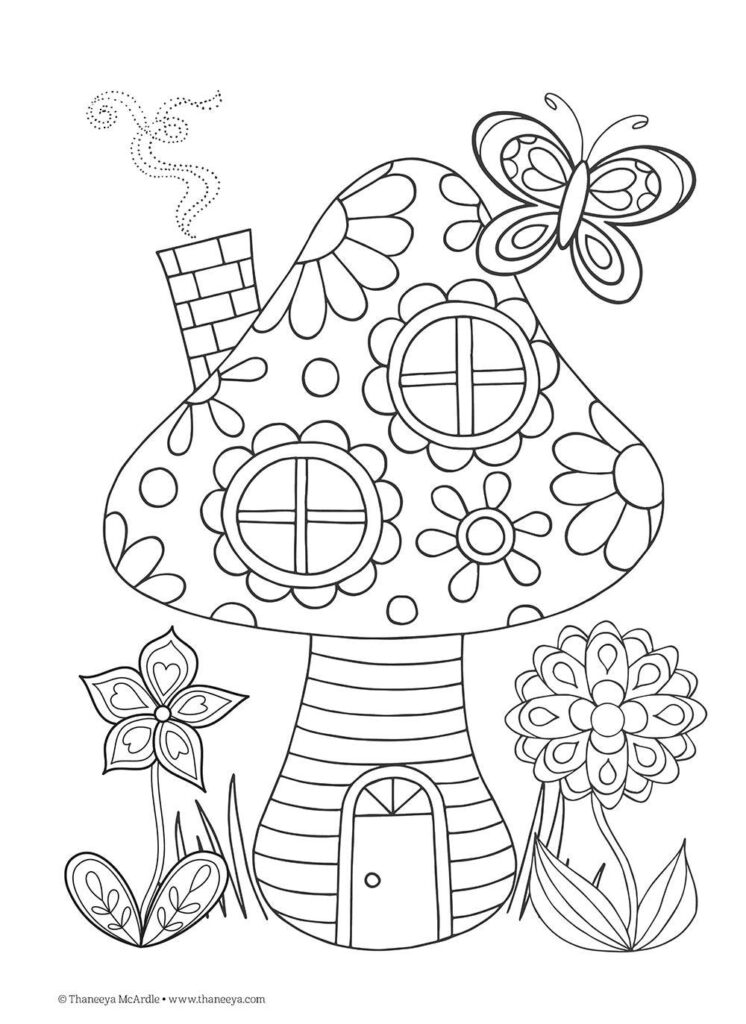
Coloring book pages invite more than neat lines; they invite investigation, conversation, and hands-on thinking. When a page is finished, the learning can continue, turning quiet coloring time into a doorway for observation, questions, and creative exploration that stretches beyond the color.
Coloring book pages invite more than neat lines; they invite investigation, conversation, and hands-on thinking. By following the Color → Notice → Question → Explore → Create → Explain cycle, children move from a simple image to a web of ideas. Finishing a page is only a moment, not a destination. When adults stay nearby but let the child lead, the page becomes a doorway to more questions and more ways to learn. This approach honors each child’s pace, invites active participation, and uses everyday observations as fuel for growing curiosity. Even time at home or in a classroom corner can become a small laboratory where ideas are tested, shared, and expanded through simple, concrete activities. The cycle is not a test; it is a practice for turning looking into wondering and wondering into making. Over time, children notice patterns, draw connections between what they see and what they know, and begin to expect that questions can lead to new experiments. The process evolves with practice, making room for surprises, ideas that grow, and shared reflections with peers.
Start With the Picture
The illustration on the page can introduce a topic in a gentle, concrete way. A garden scene might lead to conversations about seasons and pollinators; a weather-filled sky can open discussions about clouds, wind, and change. As children talk about what they see, they practice description and prediction, then connect color choices to ideas. The cycle begins with Color, then moves to Notice, then to Question, and from there to Explore, Create, and Explain. The beauty is that the topic often grows with the child’s curiosity, not with a fixed curriculum. Ask guided questions to scaffold thinking, then step back and let a child test ideas with color, texture, or form. The page becomes a springboard for talking about science, art, and everyday observations, while still feeling safe and playful. For families, this moment can be a brief, joyful routine that reminds everyone that learning happens everywhere, not just at a desk.
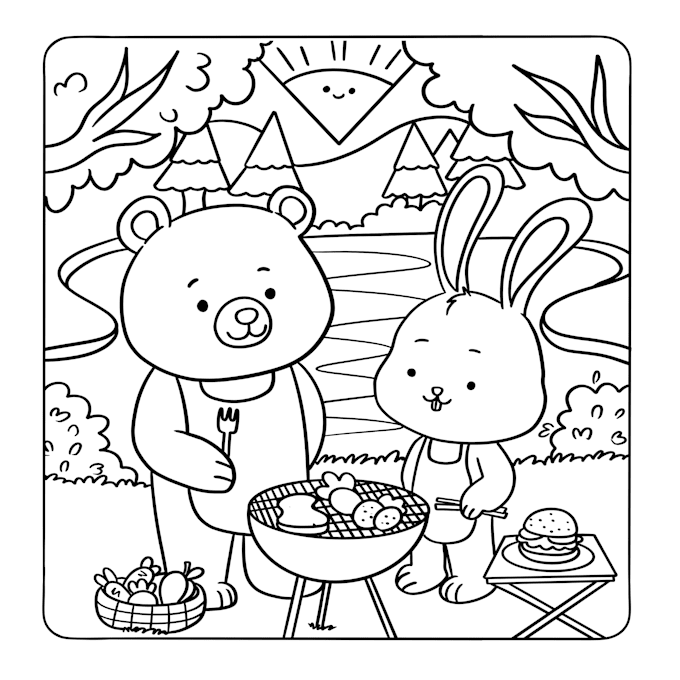
Ask What They Notice: Watching a child name something unusual on the page can reveal a lot about their thinking. It could be a curved line that resembles a river, a color combination that suggests a season, or a cloud that looks like a dragon. You can encourage precise language: What shapes do you see? Where do you notice symmetry or balance? How does the texture feel when you pretend to touch it? Children often articulate connections that adults overlook, and those utterances become bridges to more questions. When you model listening—repeating back what you heard and asking for a detail or memory—you empower a deeper dialogue. This step is less about correctness and more about building language, observation, and confidence in sharing ideas. Sometimes you’ll hear a quiet observation that opens a whole new line of inquiry, and that is a win.
Turn Colors Into Questions
Turn Colors Into Questions: Color choices can spark a cascade of discussion about nature, animals, seasons, objects, or other relevant subjects. Why is the sky blue and the grass green? How might a red leaf signal autumn, while a yellow leaf signals late summer? Do colors reflect weather, mood, or movement? You can invite comparisons—why two pages show the same object in different hues? Encourage prediction, like what color would come next in a sequence, or what color could change if a season shifted. By treating color decisions as evidence for ideas, children practice reasoning and storytelling at once, connecting aesthetic choices to real-world concepts. The goal is not to grade, but to encourage curiosity and a habit of asking and testing ideas. This dialogue can be extended with simple experiments, like comparing color mixing on paper with paint or crayons, to deepen understanding.
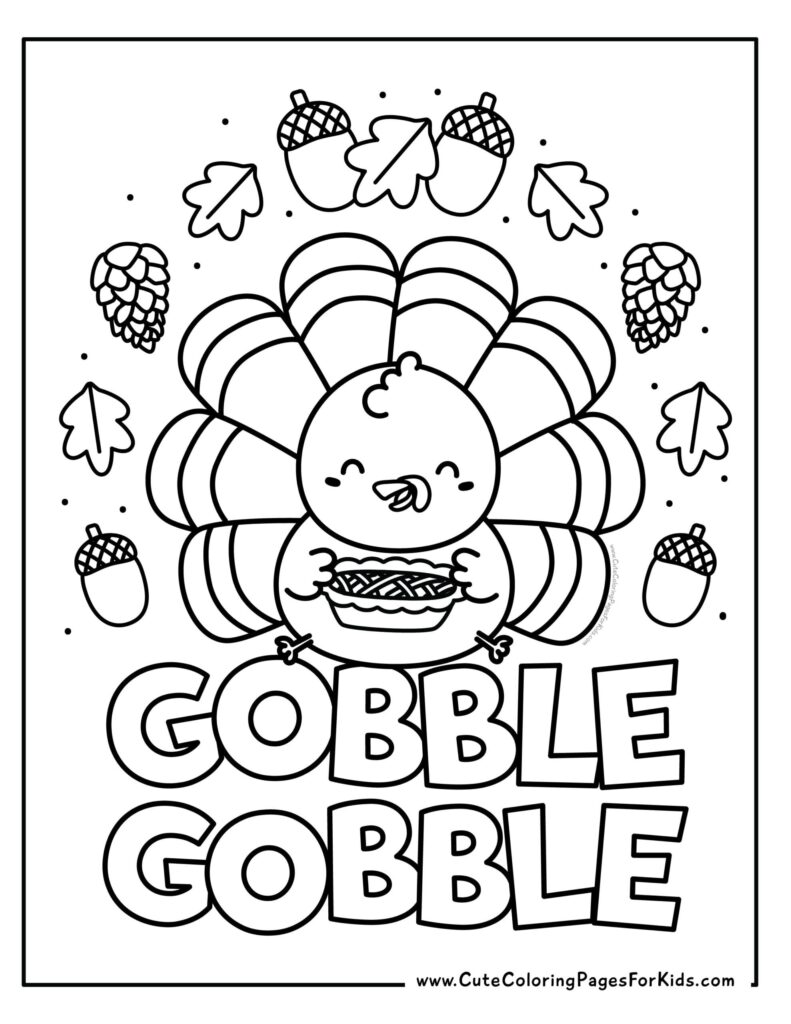
Look Beyond the Page: A coloring book page can link to books, real-world observation, and simple experiments. After coloring, you can read a related non-fiction or fiction title, then compare illustrations to the page. A nature walk can turn your page into a field notebook: observe leaves, seeds, birds, or insects, sketch or collect small objects, and then note what colors appeared in the natural world. You can search households for matching patterns on fabrics, tiles, or packaging, and talk about why those palettes work. Brief research tasks, like looking up a fact about a plant or an animal, can arise from a single image. The idea is to move from a static picture to active inquiry, using the page as a launching pad for exploration in daily life. If you keep a small science or observation journal, you can track questions and answers over weeks, building a mini archive of wonder.

Turn the Picture Into a Story: Children can invent characters, settings, events, or explanations based on the illustration. They might imagine a tiny hero who lives among the petals of a flower, or a family that discovers a new door in a fence and ventures to an unknown part of town. This storytelling activity builds narrative language, sequence, and memory, and it can be shared aloud, appended as a short comic, or acted out in a tiny play. Create Something After Coloring follows naturally: invite drawing from memory, a simple craft that extends the scene, or a map of places seen in the picture. If you time the activity, a 20-minute coloring adventure can include coloring, story planning, and a final explanation of what the child learned. In school settings, this approach can be used to scaffold science notes, math counting, or social studies discussions, always returning to the idea that the finished image is a doorway to ongoing curiosity and meaning.