
Two cat boba coloring pages can feel very different even when the subject is the same. Subtle shifts in line work, space, and prompts shape attention, effort, and enjoyment. This guide helps parents and teachers evaluate the design behind cat boba coloring pages.
Start With the Child
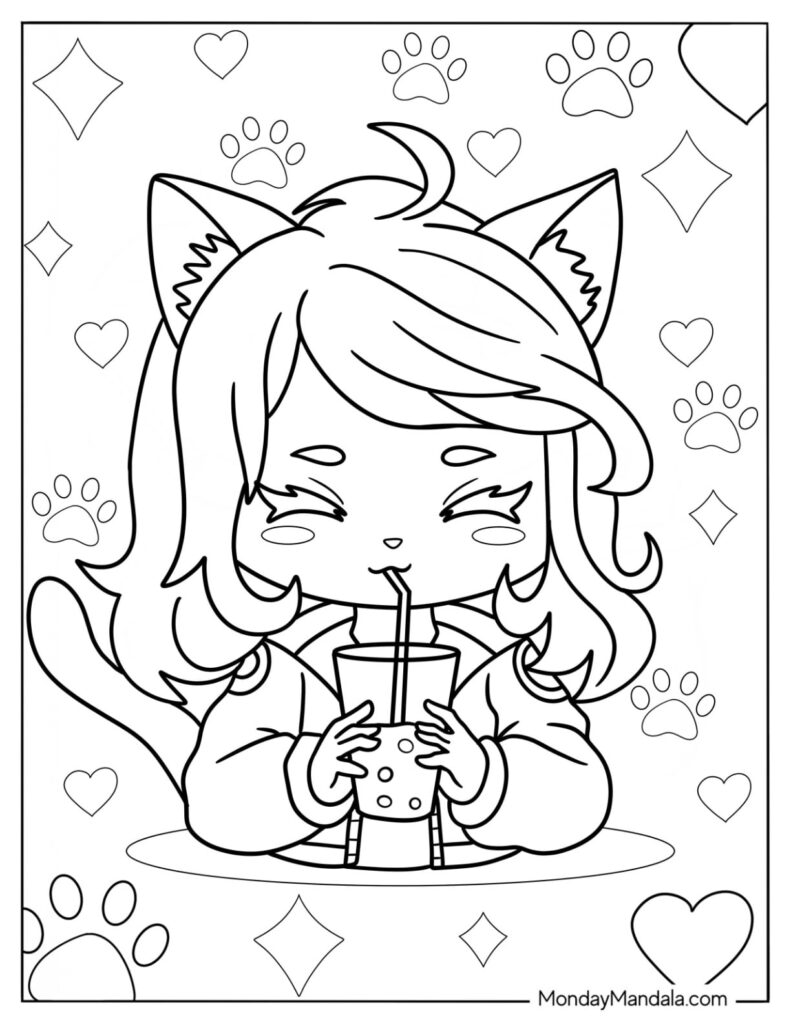
When you choose cat boba coloring pages, start with the child. Age and fine motor skills influence how much detail a page should offer, and so does a child’s current interests. If a child loves cats and tea, they might enjoy both a simple, bold outline and a page with a playful scene. Determine the purpose of coloring at the moment—calm distraction, quiet time, or a shared activity—before judging the picture itself. This helps you match pages to real needs rather than to a preconceived standard of cuteness. Remember that a page designed for exploration can be welcomed by a curious learner, while a page with rigid prompts may frustrate a child seeking choice.
Check the Level of Detail
Detail level matters for comfort and challenge. Large spaces support early scribbling and color control; small spaces invite precision and patience. A page with moderate line complexity offers a mix of opportunities without overwhelming a child who is still developing fine motor skills. Visual density, meaning how much is drawn per square inch, affects focus; spaces that feel crowded can make coloring feel rushed. Look for a balance that aligns with the intended user group and the page’s stated purpose.
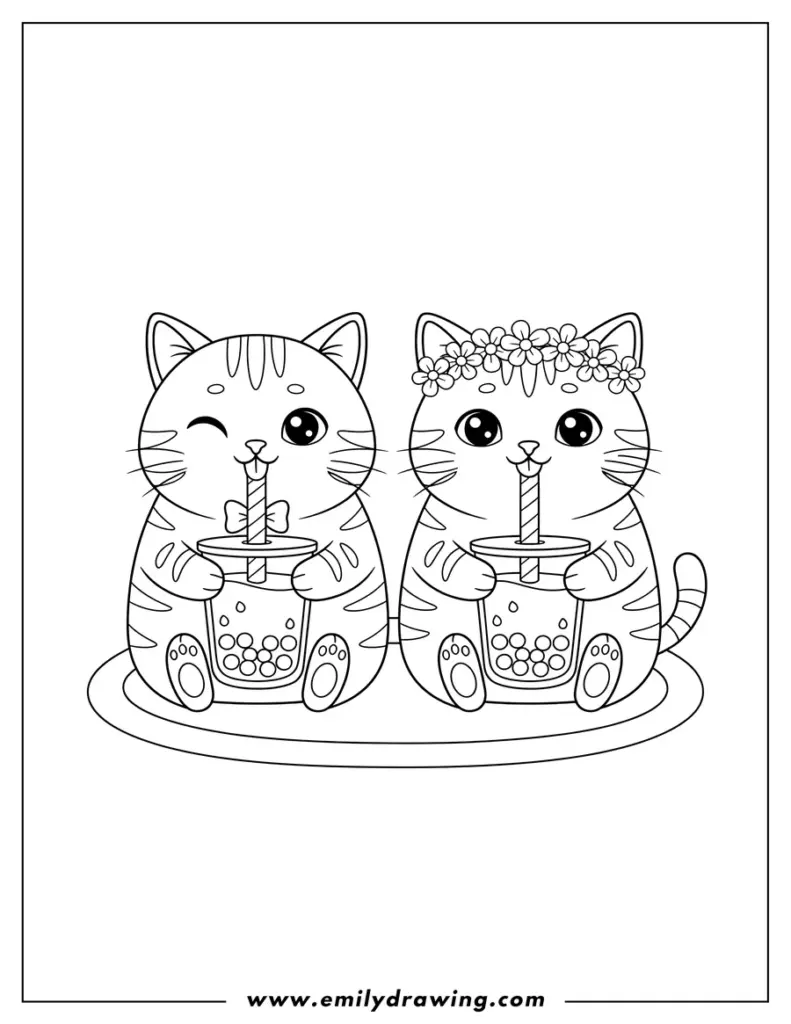
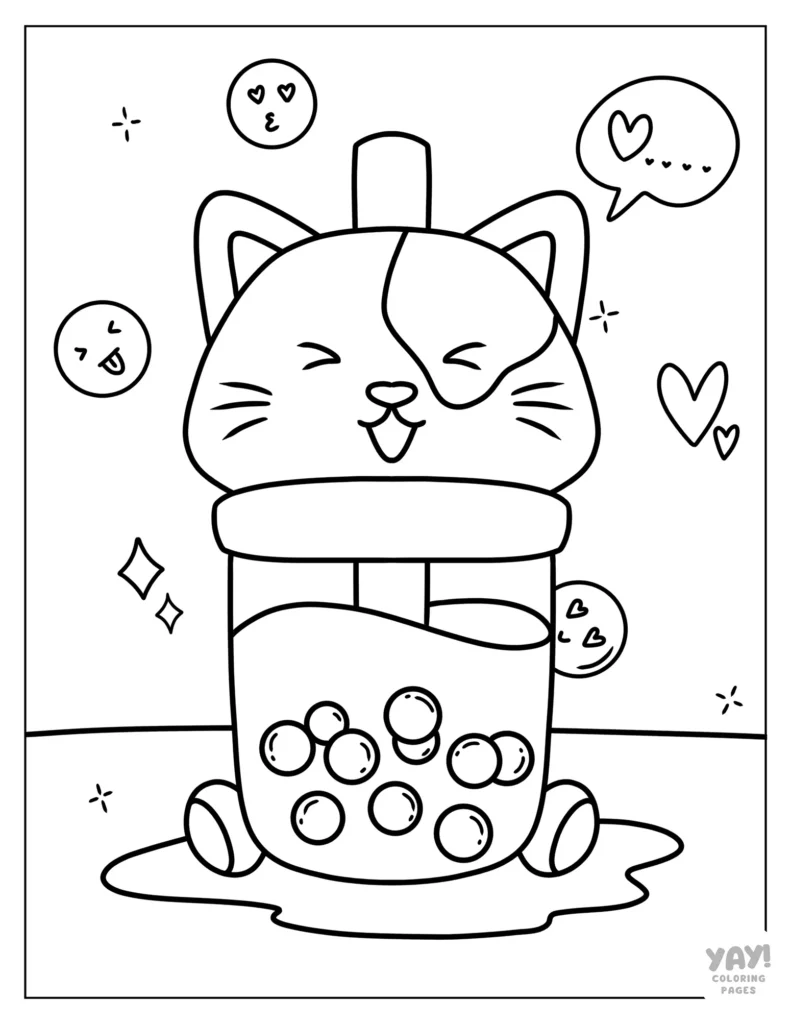
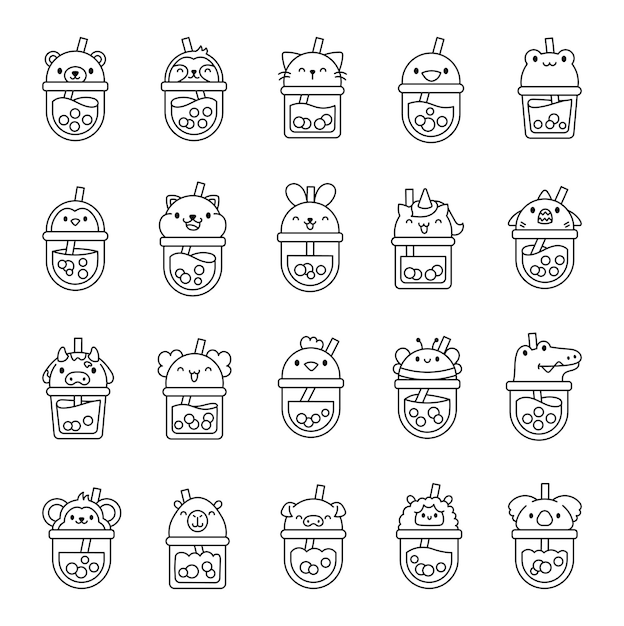
Is there enough room for creative choice? A good page invites color decisions beyond staying inside the lines; it should allow shading, color variation, or simple background notes if desired. Does the theme match the purpose? Entertainment and quiet time coloring benefit from different moods and settings, so align the scenario with the intended use; a seasonal page may be fine for a holiday, while a generic feline scene supports free play. Printable quality matters: confirm page size fits printer trays, that the image prints in black and white with clean lines, and that ink usage is reasonable for standard home printers. Check line clarity, image positioning on the page, and whether there is space for writing if a caption or name line is included. Before printing cat boba coloring pages, ask five quick questions: Is the target age clear? Are lines clear enough for that age? Is there enough contrast between lines and background? Is there room for creative expression? Will the printer handle the page without cutoffs? Common design problems to watch for include overly tiny details, rushed line work, inconsistent margins, and prompts that are too strict. A good coloring page should be enjoyable, usable, age-appropriate, and purposeful.