
On the surface, a child may appear to be simply filling a picture with color. Yet, as eyes follow lines, fingers move, and hands adjust pressure, several physical and cognitive skills coordinate in a quiet, purposeful moment.
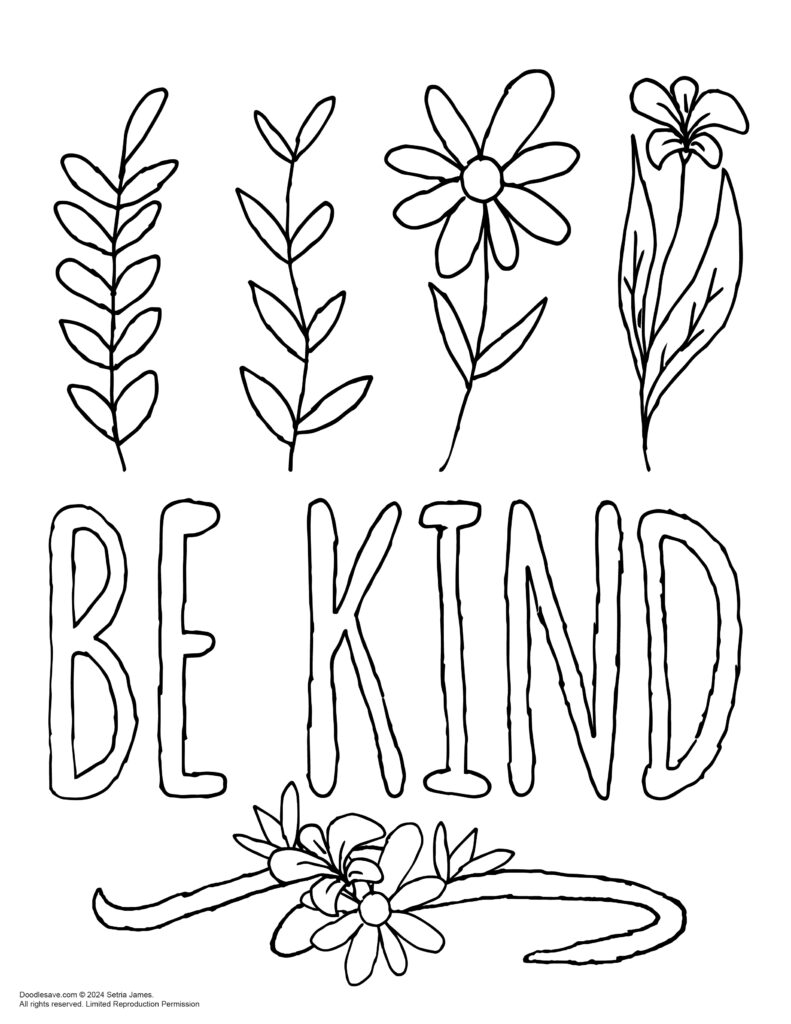
Before the first stroke, a child notices what is on the page, recognizes shapes and spaces, and builds a tiny plan. They test which areas invite color, imagine a mood or story, and begin to predict how a chosen hue might change a shape. This early work—observation, recognition, planning—prepares them for real decisions about color and composition. The act of selecting color is not random; it is a rehearsal in visual thinking, memory, and self-regulation. As they weigh warm versus cool tones, they practice patience, attention, and a quiet sense of control. Be kind coloring pages invite this kind of thinking without pressure, offering a safe space where preschool and kindergarten children can explore possibilities, develop focus, and learn to trust their own ideas.
What Happens Before the First Color Is Chosen?
Observation grows into preference as the child narrows options. They consider what color fits near a curved edge or inside a bounded area, and how color balance affects the whole picture. The decision may involve comparing several swatches or simply choosing what feels appealing in the moment. This step teaches flexible thinking: the same page can carry many moods depending on the palette. It also reinforces memory, because remembering one successful combination helps future choices. In be kind coloring pages, these moments of planning become a small rehearsal for creative problem solving that can transfer to writing, drawing, and later classroom projects.
With the first choice set, children test and adjust. They might blend shades, lighten a fill, or decide to reverse a previous stroke. Modifying color helps them learn about transitions and emphasis, and it teaches that compositions evolve. If a color clashes, they may experiment with neutrality or contrast until harmony returns. The act of revisiting a decision is a cue for persistence: it shows that a good outcome can emerge from revision rather than immediate perfection. Throughout be kind coloring pages, this willingness to revise supports resilience and a sense that personal expression matters more than meeting someone else’s standard.
The Hand Has a Job Too
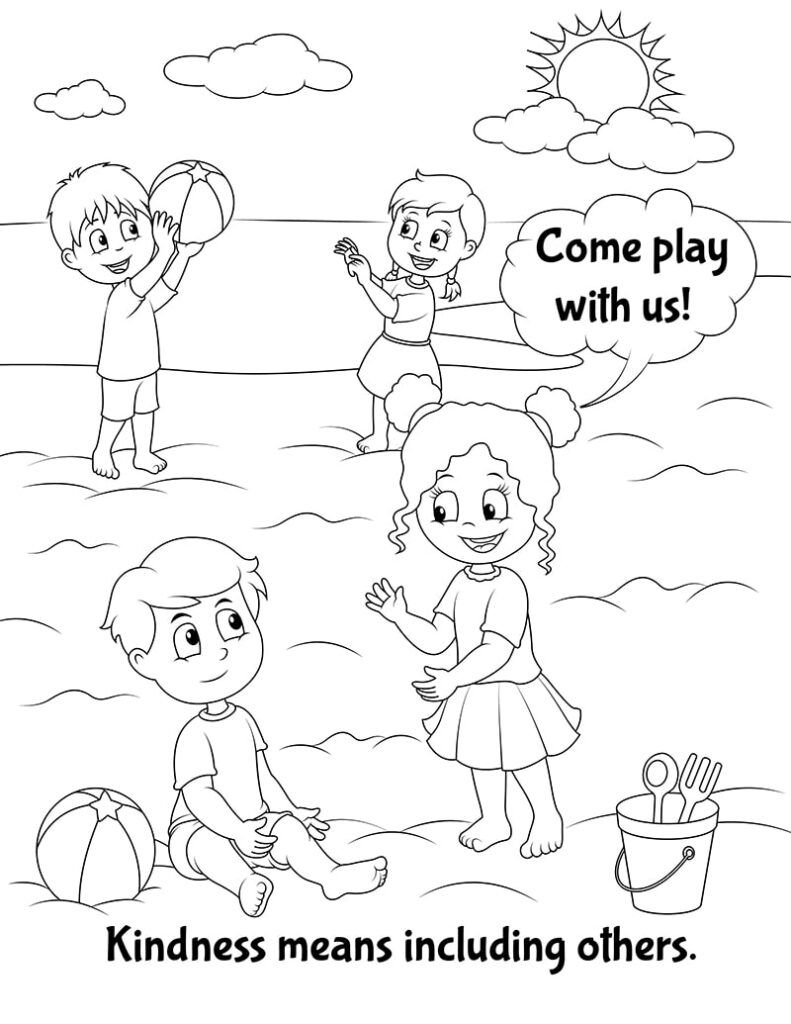
Though the mind designs, the hand executes with precise, practiced movements. The grip matters: a loose tripod grip often results in steadier lines than a clenched fist. Gentle pressure, controlled wrist motion, and smooth transitions between colors build fine motor skills essential in early childhood. The hand-eye connection keeps the color where the child intends, and the eye guides the motion across the page. Repeated, slow strokes cultivate endurance and confidence in small tasks, from coloring pages to later writing. In be kind coloring pages, children learn to coordinate who they are with what they produce, turning a simple page into a laboratory for fine motor control and deliberate practice that translates into classroom tasks in preschool and kindergarten.
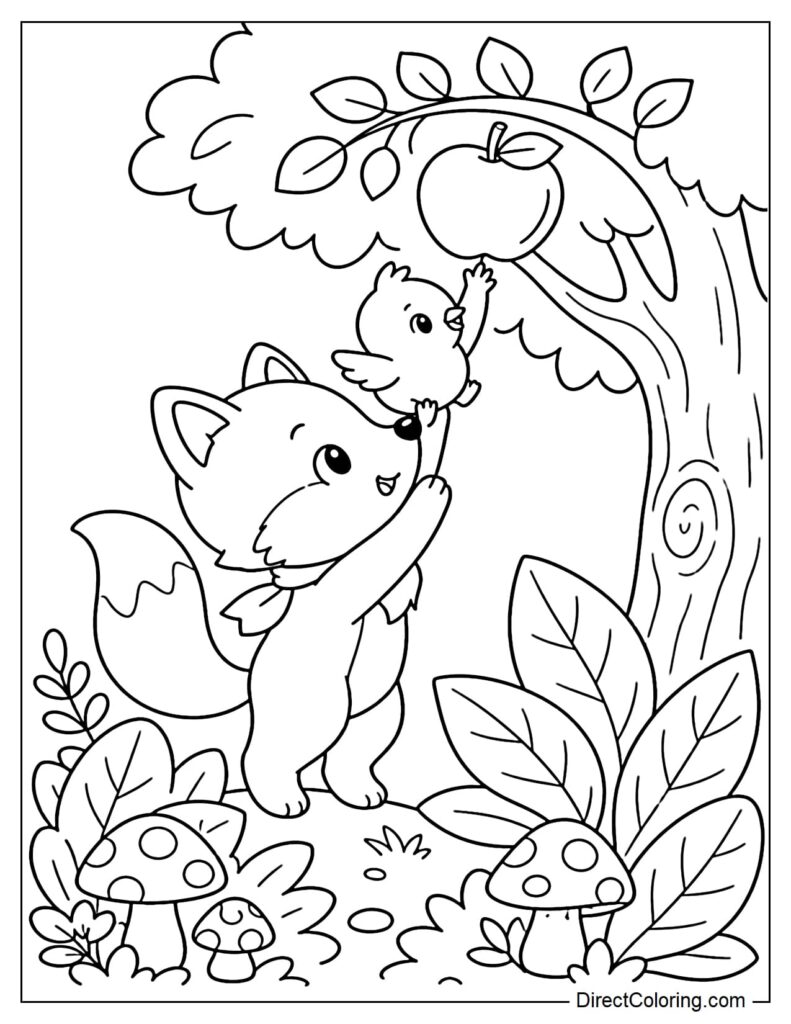
The Page Creates a Visual Playground: boundaries and spaces become opportunities for exploration. Edges define fields, shapes invite action, and negative space frames what the color can become. Children learn to place color with intention, watching how a single area changes the feel of the whole page. They notice patterns, repetition, and rhythm as shapes repeat or vary, supporting early mathematical thinking and spatial awareness. This awareness helps children understand layout, proportion, and sequence in everyday tasks. Printable coloring pages treat the page as a teacher, guiding visual reasoning and imaginative storytelling without a formal lesson.
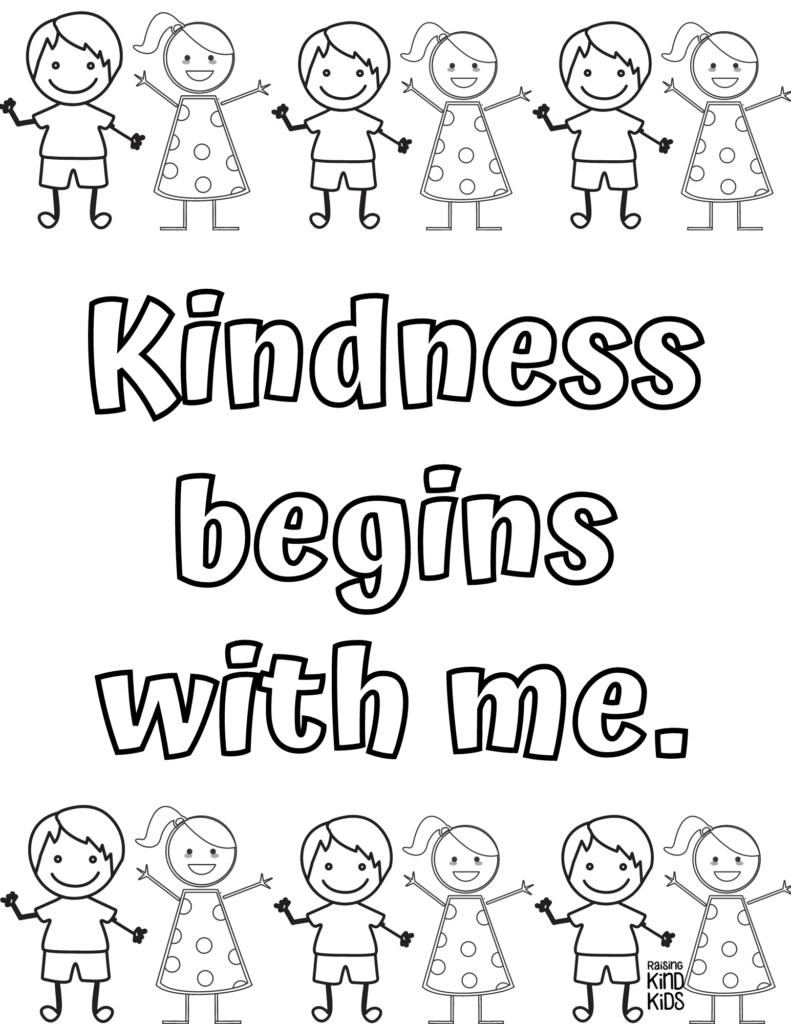
There is no single correct color in coloring pages; every child will make different choices, and that is part of creativity. What Mistakes Can Teach when a color travels beyond the lines or a shade feels off, is that revision can lead to a better idea. What matters is curiosity, not perfection. Be kind coloring pages invite parents and caregivers to offer gentle guidance, not judgment, and to choose printable coloring pages that allow risk-taking and exploration. When coloring becomes a shared activity, it becomes a chance to talk, tell stories, and celebrate small successes. Not every session needs an academic objective; some are simply about slowing down, enjoying a screen-free activity, and noticing how imagination grows with practice. Ultimately, a simple coloring page can become a small space for thinking, movement, attention, and creativity, supporting growth in preschool and kindergarten.