
flower outline printable opened a simple doorway to many projects I work on as a resource creator. A clean floral line drawing can become a coloring page, a cut-paper template, or a teaching aid with just a few tweaks. In this piece I share practical, field-tested ideas from real-world use.
Why it matters for projects
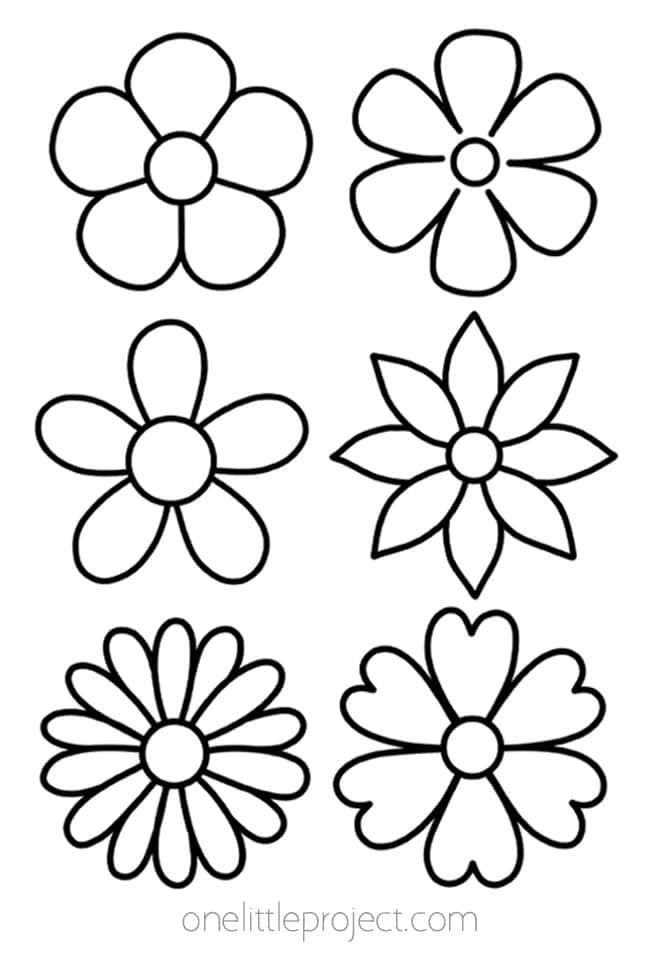
From my bench to the printer, I’ve learned to treat a flower outline printable as a versatile starting point rather than a finished product. Start by choosing the line weight that fits your project—thicker lines hold up for colored paper crafts, while thinner lines work better for tracing exercises. Print on standard paper, then consider mounting on card stock for durability. If you’re teaching, turn the outline into a quick matching activity by adding numbers or color hints in a light pencil layer that students can erase. For digital workflows, you can resize the image in your editor to create multiple sizes on a single sheet, so you don’t waste ink or paper. The key is to keep tests small: print a sample, check the alignment, and adjust before committing to a batch.
Tactile and visual ideas
People use a flower outline printable in surprising ways beyond coloring. It doubles as a gentle template for scrapbooking pages, calendar accents, and simple home decor projects. Print on vellum for delicate overlays, or on thick matte paper to create durable labels for jars and seeds. You can turn the outline into a seasonal banner by alternating colors and adding short words, or create a set of inch markers to guide a garden planning chart. If you work with kids, you can layer the outline with stickers or stamps to build fine motor skills while keeping the activity focused on a single floral silhouette. The same image scales nicely for printable posters or mini cards, so you can reuse a single artwork across several crafts without reinventing the wheel.
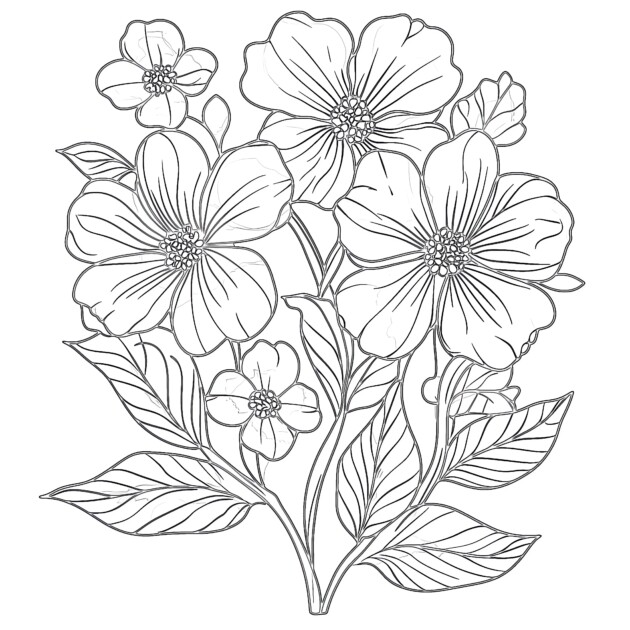
Another practical angle is accessibility. If someone has limited fine motor control, a bold, high-contrast version of the flower outline printable can become a gateway to creative expression, especially when you provide traced guides or dashed line variants. Save a master version at a neutral scale, then create a few pre-sized options for quick projects. When you assemble a printable kit for classrooms or workshops, include a short notes card with tips on reducing glare, selecting paper textures, and choosing color palettes that suit different skin tones and lighting. I’ve found that organizing files with clear labeling and a simple color code helps me reuse the same artwork for multiple sessions without rethinking the core image. The more you treat the outline as a practical toolkit rather than a single image, the more ways it becomes useful.
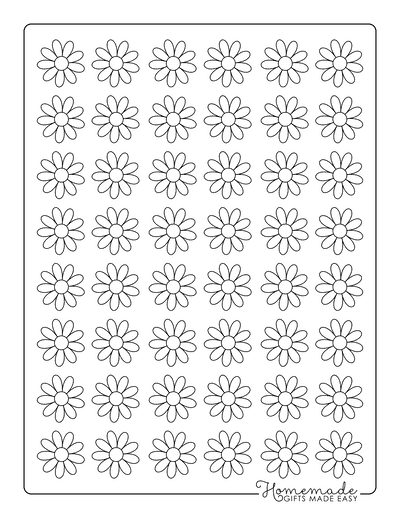
As you polish a flower outline printable for others, pay attention to margins and bleed if you plan to trim. A safe export size, a clean white margin, and a light registration mark can save you headaches at print time. If you’re distributing a packet, add a brief, plain-English usage note that describes suitable media, recommended pencils or markers, and a simple coloring key. In my own kits I include a tiny checklist: print a test sheet, check alignment, verify that the lines are crisp, and confirm that items lined up on a grid. Small steps like these reduce confusion and help beginners feel confident while exploring the simple elegance of a flower outline.
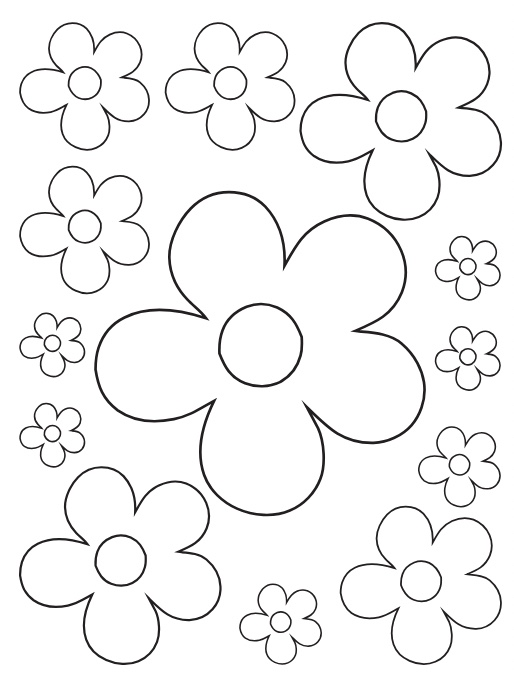
With a little practice, a flower outline printable becomes a flexible asset in your creative toolkit. Keep collections organized, label each version by intended use, and revisit older outlines with fresh color ideas. By treating outlines as starting points rather than final art, you invite experimentation—layer colors, vary line weights, and pair silhouettes with simple text for quick cards or planners. The result is not about perfection, but about options: something you can print, cut, and customize on a whim. As you build a small library of floral templates, you’ll notice how often a single outline unlocks new projects.