
Finishing a coloring page doesn't have to be the end of the activity. When color meets curiosity, the page can become a doorway to science, storytelling, and careful observation. This approach treats coloring pages flowers and butterflies as the starting line for a richer, experiential learning journey.
Start With the Picture
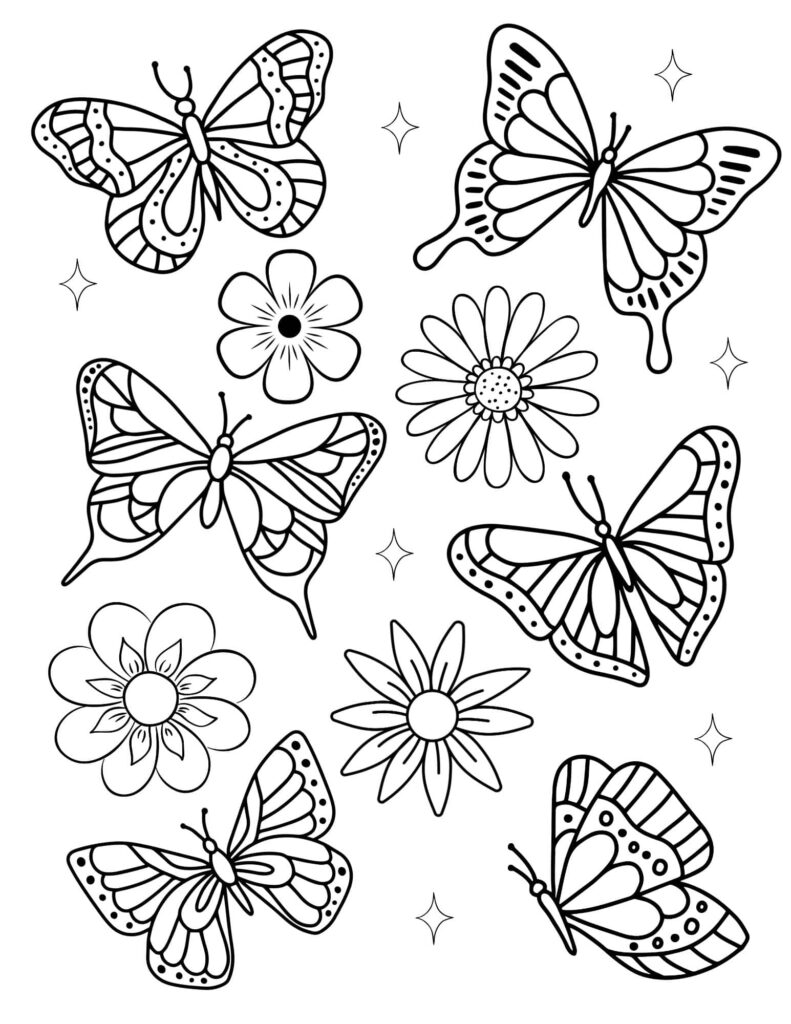
Begin with the picture itself: the lines of petals, the curve of a butterfly’s wing, the spaces between leaves. As kids color, invite them to consider what they see and what they might wonder about. Point out that the exercise is not about perfect color but about noticing how color changes mood and emphasis. A coloring page about flowers and butterflies can introduce topics like pollination, camouflage, and habitats in a gentle way. Encourage whispering questions as they color: Which colors would attract bees? Why do some butterflies have such patterns? How do petals guide a bee to nectar? This phase aligns with the Color stage of the learning cycle—where a simple act of filling spaces becomes a prompt for deeper inquiry. The task can be done with a small group or one-on-one; either way, the goal is to slow the pace enough to pay attention to details. When children describe what they are seeing, their language grows, and so does their curiosity. Later, those observations can lead to broader conversations about ecosystems, seasons, and even art techniques.
Ask What the Child Notices
In this phase, invite children to name what they observe beyond the obvious. Do not rush to the 'correct' answers. Ask: Which shapes stand out in the butterfly wings and flower heads? What patterns do you notice on petals, leaves, or stems? Which colors feel warm or cool, and why might that be? How would you describe the air around the garden if you could see it? Are there clues that help animals find nectar, such as bright color or scent? Affirm their observations and build a shared language around the page. By giving space for noticing, you validate their experience and set the stage for the next step in the Cycle: turning their color choices into questions about nature. If a child says, "This orange glow feels sunny," ask them to tell you why that feeling exists. Open dialogue like this makes the activity social and meaningful, rather than a solitary task.
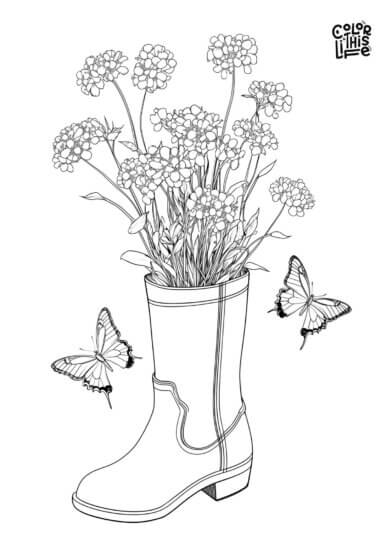
Turn colors into questions and watch curiosity bloom. When a child chooses bright yellow for a sunflower-like petal or a sapphire blue for a butterfly, invite them to hypothesize why. Does the color suggest a season, such as spring fresh greens and bright florals? Could the hues imply different habitats, like a meadow, a pond, or a shaded grove? You can offer prompts that tie color to science and daily life: what colors could help bees find the flower, and which ones might make birds notice the butterfly at a distance? Explore with them how color changes with light and how painting the same area with different tones can tell two distinct stories about the same scene. The aim is not to grade color choices but to link them to questions about nature, weather, and behavior. This is the moment when the Color phase becomes a bridge to inquiry, transforming a simple coloring page into a conversation about observation, evidence, and wonder.
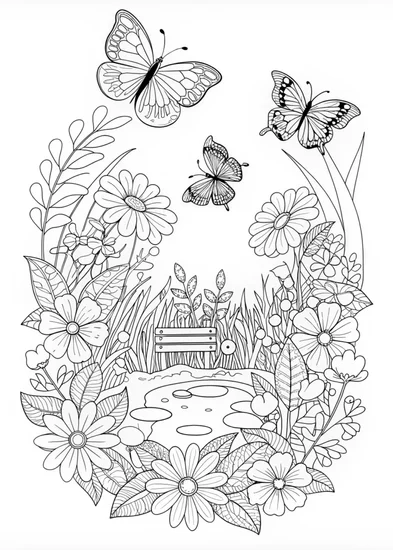
Look Beyond the Page and extend the curiosity into books, nature, and everyday objects. A field guide or a children’s nature book can help label flowers and insects, while a short walk outside invites observation of petals, stems, textures, and weather. Compare what they colored with what they see in real life, and ask whether patterns and shapes match or differ. Turn the page into a Story by imagining the colored flowers and butterflies as characters who travel, meet other garden inhabitants, or solve a tiny problem in their scene. After that, Create Something After Coloring, whether it is a collage, a small diorama, a wrote-on notebook entry, or a movement activity that mimics butterfly flutters. If you have only 20 minutes, you can still guide children through a quick sequence: color, observe, imagine a short scene, and share one idea aloud. This ongoing rhythm keeps coloring pages flowers and butterflies a living prompt, not a finished product.
Conclusion: A coloring page can be a doorway into curiosity rather than merely a finished picture. The learning cycle—Color, Notice, Question, Explore, Create, Explain—offers a gentle scaffold for ongoing inquiry. When a page about flowers and butterflies is treated as a starting point, children learn to observe, reason, and communicate ideas. For teachers and caregivers, practical uses include short nature walks, read-alouds about pollinators, and simple science notebooks that capture questions and observations. Provide a few guiding questions, basic materials, and space for kids to lead the next steps. Pair students to share ideas, or rotate roles so each child becomes observer, questioner, and presenter. Above all, keep the emphasis on curiosity and connection to the world around them. Coloring pages flowers and butterflies can then serve as a reliable doorway to science, storytelling, and everyday wonder, rather than a single completed image.