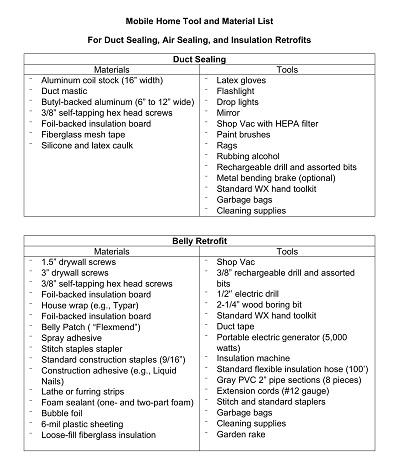
As a lesson planner, I begin with a clean, predictable scaffold: the materials students will need, where they can be found, and how the day will flow. A printable material list template keeps my team aligned, reduces last-minute scavenging, and supports smooth transitions between activities. In this article, I’ll share how I design a practical template, how it travels from planning sheets to classroom shelves, and how you can tailor it to your subject and grade level.
Using a printable material list template in daily planning, I block time for direct instruction, guided practice, and independent stations, then fill in the materials for each block. The template becomes a single reference that scales from a short warm-up to an extended workshop. When I share it with colleagues or post it for families, they can quickly verify what’s needed and where to find it. The notes column captures accommodations or substitutions, so a student with special needs or a missing item doesn’t derail the day. Planning this way keeps momentum and reduces confusion.
Core components of the template
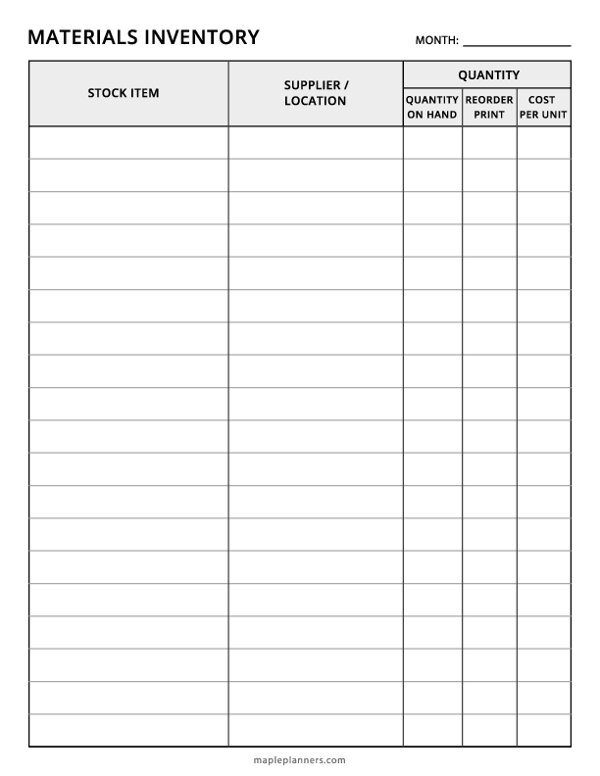
Typically I organize fields as Item, Quantity, Location, Purpose, Notes, and Assigned To. The Item column names each material or tool; Quantity estimates how many are required; Location points to a storage bin or shelf; Purpose links the item to a specific activity or objective; Notes capture handling, safety reminders, or substitution ideas; Assigned To identifies who is responsible for bringing or preparing it. Keeping these fields simple helps you build a template you can reuse week after week. Start with a minimal set and expand as needed for new units or grade levels.
Tips for customization and maintenance
With a ready template, you pre‑plan equipment for labs, centers, field experiences, and demonstrations. When morning routines begin, the list assists students in locating items, which fosters independence. For flexible groups, the template supports quick reallocation of materials without scrambling. In cross-curricular projects, you can align materials to multiple objectives—math measurement alongside science data collection, for example—without duplicating effort. The result is clearer expectations, calmer transitions, and more time for instruction rather than organization.
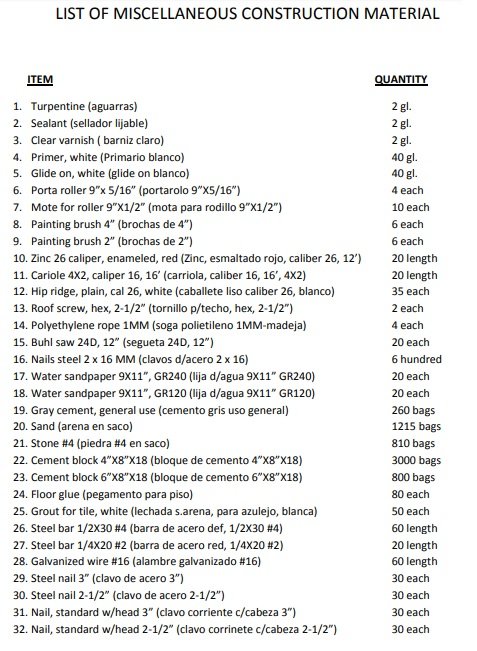
Start small: draft a weekly template and reuse it, adjusting only what’s necessary. Color-code by topic or location so the eye can scan quickly. Laminate the page and use dry-erase markers for items that vary daily, or keep a digital companion you update on Fridays. Build a short substitutions section so you can pivot during shortages or schedule changes. Finally, invite students to contribute to the setup—sorting components, labeling tubs, or rearranging shelves—so they practice responsibility and take ownership of their learning space.
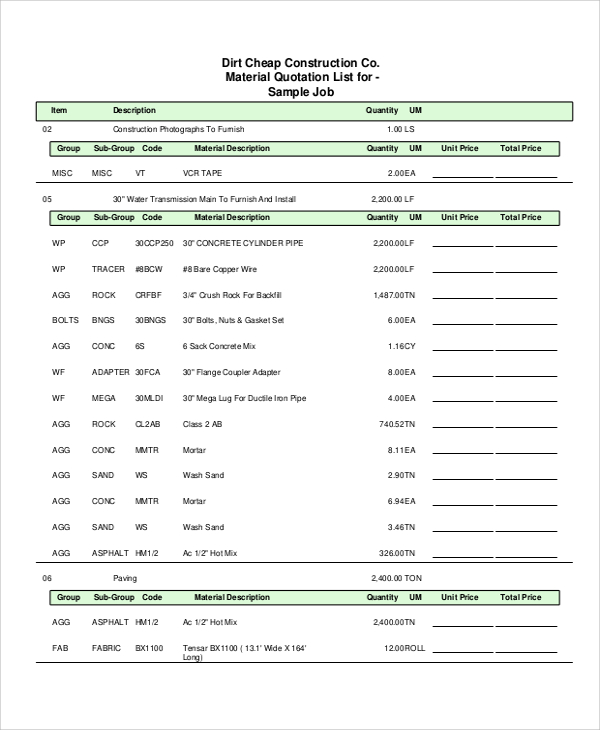
image alt text: a tidy planning desk with colorful markers and a printed material list template visible on the notebook