
Coloring national flag coloring pages can start a larger learning journey. As colors fill the page, children notice symbols and patterns, and begin to wonder about the meanings behind them. This simple start can lead to map work, stories, and hands-on exploration.
This article invites an experiential learning approach, where coloring becomes a springboard for discussion and discovery. The central cycle – Color, Notice, Question, Explore, Create, Explain – transforms a simple page into a sequence of activities. By following this loop, a child can move from a quiet moment with crayons to a conversation about history, geography, and culture. The act of coloring invites attention to detail: why red sits beside white, what the star or circle might symbolize, and how colors relate to a country's story. Rather than rushing to finish, caregivers can pause to record small observations, name things, and encourage curiosity. The goal is not to achieve a perfect replica but to lift ideas from color into questions and then into real world exploration.
Start With the Picture
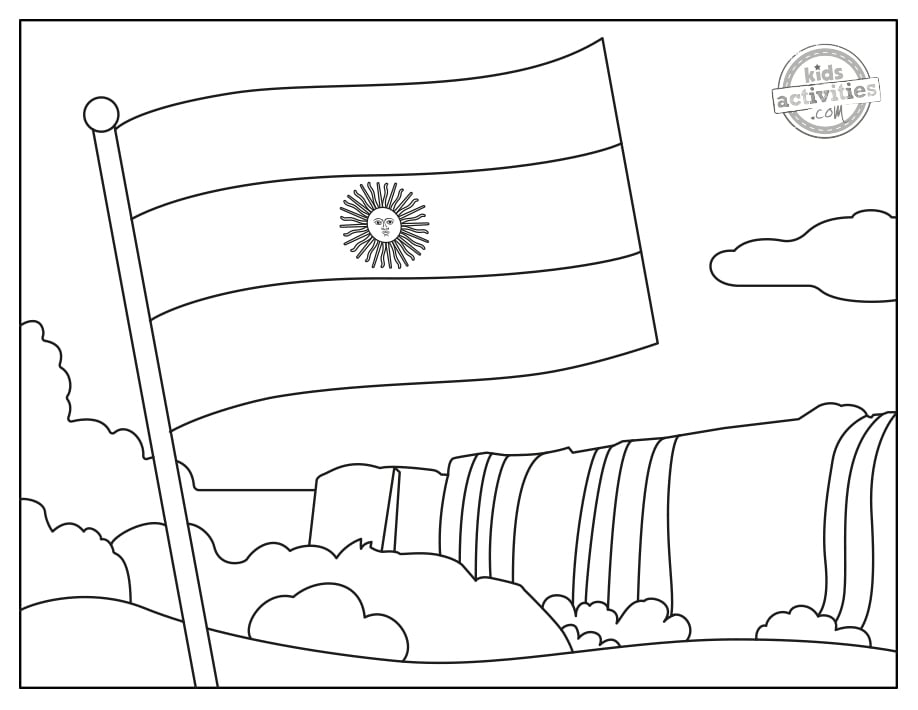
The illustration in national flag coloring pages can introduce a topic without words. Point to the colors, the stripes, the circle or stars, and ask what country might be represented. Talk about the basic colors and their order; invite the child to describe what stands out first and why. This early moment sets a tone of inquiry rather than perfection, encouraging careful looking and respectful guesses.
As the page rests in a child's hands, you can invite a more deliberate notice of details. Use prompts like what do you see first and where is the color red used to guide observation. Encourage naming shapes, borders, and any symbols. Capture their observations in simple sentences or a quick sketch to honor their perspective. This step foregrounds listening, even before any speaking takes place.
Ask What the Child Notices
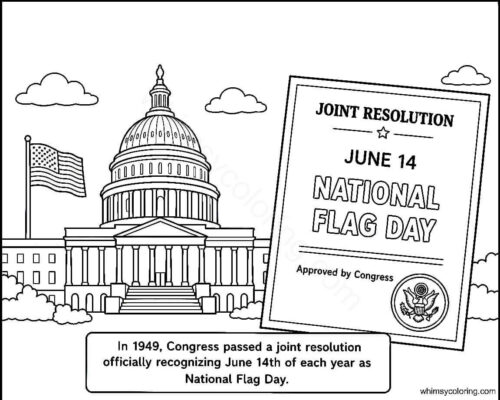
Open-ended prompts invite children to name every color they see and explain what it might represent. Ask how the stripes run across the flag or why the circle sits in a corner. What memories or places does the flag evoke for them? Encourage drawing connections to real objects, like a sun, a boat, or a shield, and note their ideas with simple sentences.
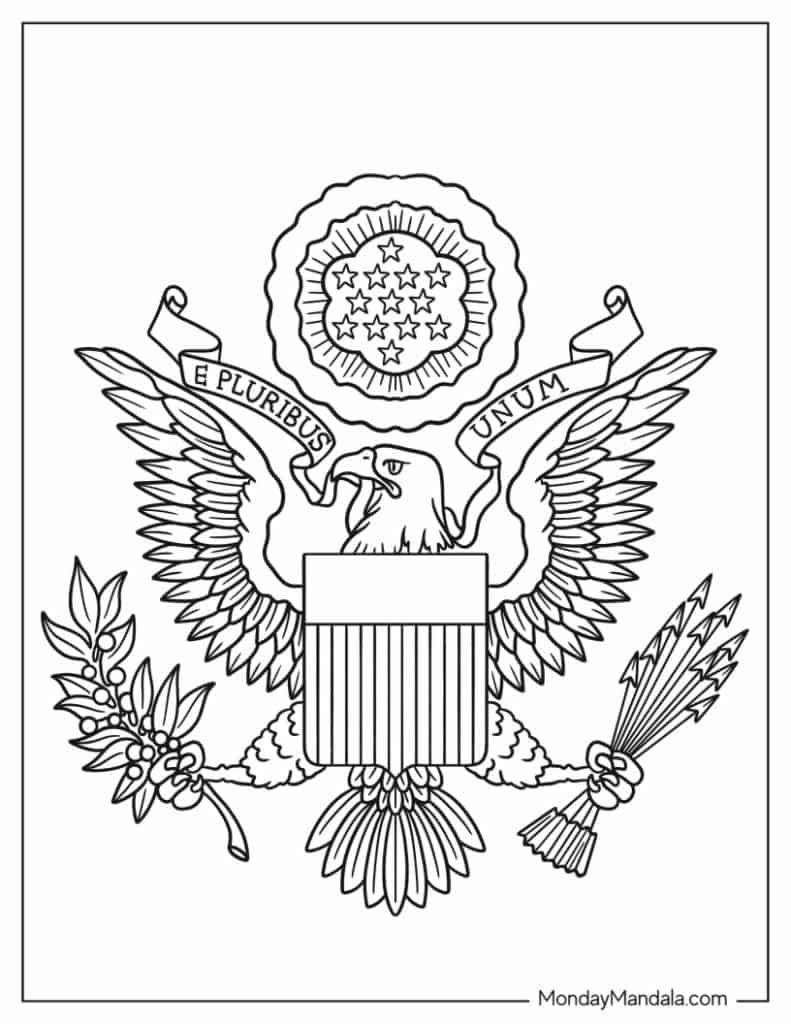
Turn Colors Into Questions explores how color choices spark dialogue about nature, animals, seasons, or objects. A child who selects blue might talk about water, sky, or calm feelings; red might evoke heat, fruit, or energy. Discuss patterns and symmetry, and ask what changes when you swap two colors. In this step, every shade becomes a potential clue about the world beyond the page.
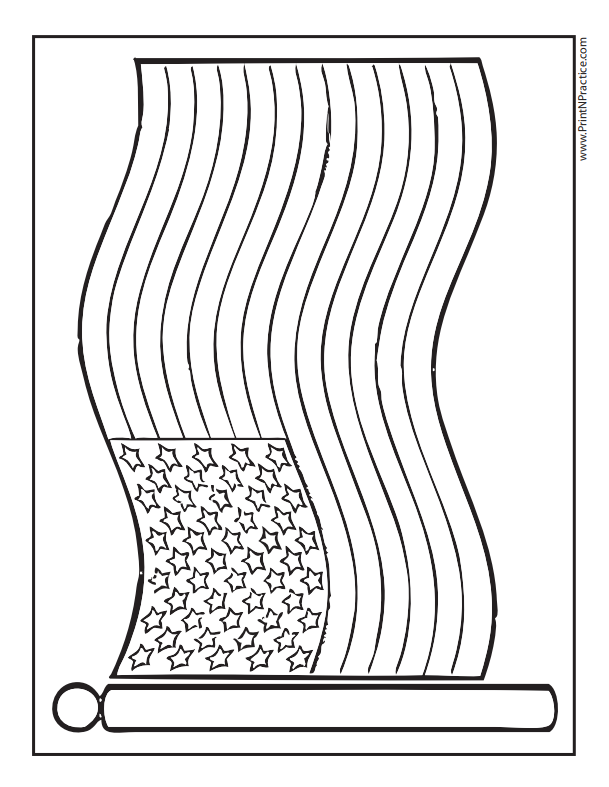
Look Beyond the Page is a key step: connect to books, nature walks, or objects around the home to extend curiosity. Turn the picture into a story by inviting a child to invent a character who travels with the flag, or to imagine how the country’s environment shapes its colors. Create Something After Coloring with a follow-up activity like drawing a map, sewing a small flag, writing a short note, or building a simple craft that mirrors the symbol. A 20-Minute Coloring Adventure can guide this flow: five minutes coloring, five minutes noticing and asking questions, five minutes exploring related books or photos, and five minutes creating a themed project. In classrooms, teachers can scaffold by providing prompts, time boxes, and shared vocabulary, turning a page into collaborative inquiry. Ultimately, a national flag coloring pages activity becomes a doorway into curiosity rather than a finished picture, inviting children to connect what they see with what they wonder and to carry that sense of exploration into future lessons.