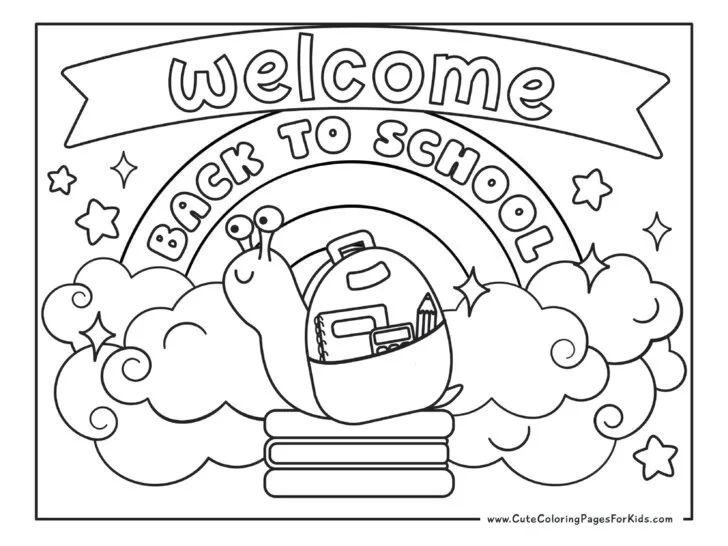
Preschool back to school coloring pages printable offer gentle, engaging ways to transition from summer to classroom routines. These printable sheets feature familiar themes and kid-friendly designs that help little learners practice color, shapes, and focus with joy.
Preschool back to school coloring pages printable are simple, black-and-white line drawings designed for young children to color. They serve a dual purpose: to entertain and to support early learning during a time of change. These activities provide a safe, low-pressure entry into school topics—like routines, classroom helpers, transportation, and classroom materials—while giving children a sense of control over their pace. Coloring pages can be used to reinforce vocabulary, letter recognition, or daily routines while supporting calm, focused play. When used consistently, these pages can become familiar touchpoints that ease anxiety about the new school year and build confident participation in group activities.
Who they are for
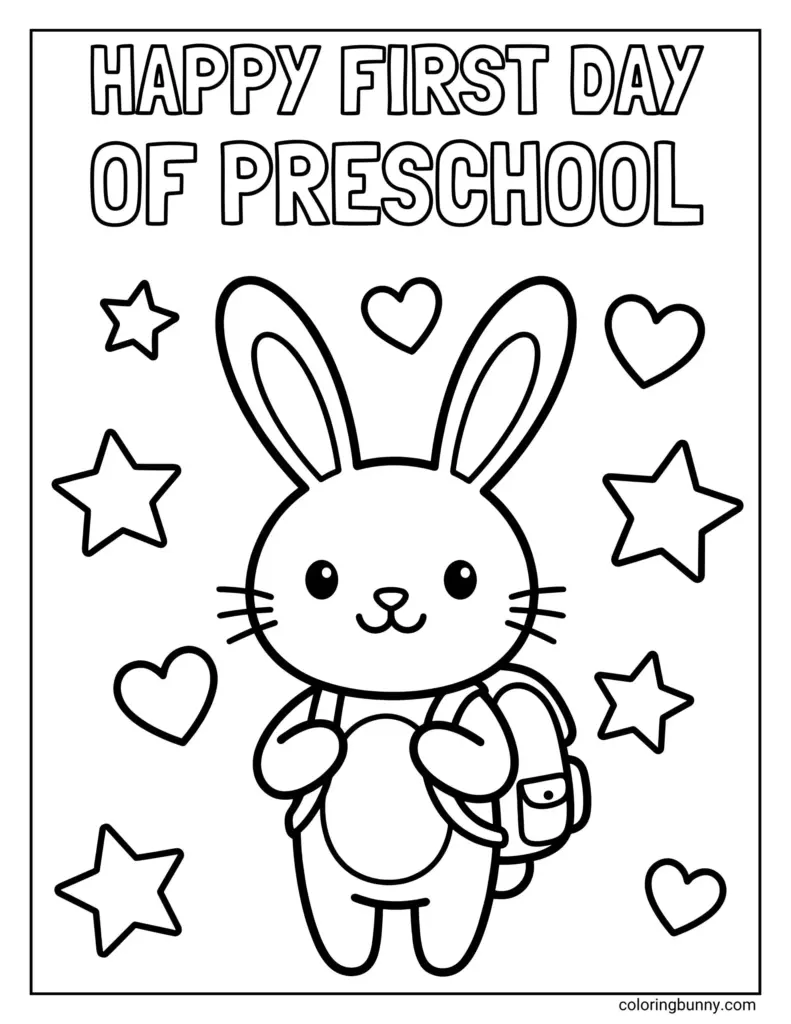
These coloring pages are designed for preschoolers and kindergarteners—roughly ages 3 to 6—whether in living rooms, daycare rooms, or early elementary classrooms. They work well for typically developing children and for those who benefit from structured, predictable activities. They support children who are shy by giving a safe, solo task, and they help peers who enjoy shared tasks when used in small group settings. Parents who homeschool can weave them into daily routines, while teachers can incorporate them into literacy centers or transition activities. Importantly, the simplest designs allow beginners to experience success, while slightly more complex pages can challenge learners who are ready for more fine detail or additional writing tasks.
What can children practice while coloring? Fine motor control is one core target: holding crayons with a mature tripod grip and making small, deliberate strokes strengthens hand muscles. Hand-eye coordination improves as kids guide color inside shapes and connect objects with the words they see on the page. Visual attention grows as they stay on the lines and switch colors when appropriate. Creativity shines as they choose colors, experiment with patterns, and imagine little stories behind each scene. Decision-making emerges as they pick which color to use next, which character to highlight, or whether to color the bus yellow or blue. Spatial awareness develops as children determine how many objects fit on a page and where to place elements in relation to each other. And topic-related knowledge comes alive when pages introduce school roles, classroom objects, or seasonal themes.
Different types
Different types of preschool back to school coloring pages printable include seasonal themes like new backpacks and buses, alphabet and number pages for early literacy, shapes and colors, and small scenes that teach routines (lining up, circle time, lunch). There are also role-play pages showing teachers, librarians, or cafeteria staff, and imaginative scenes that invite children to complete missing details or create endings. Some pages offer tracing or word-for-reading prompts to support emergent readers, while others stay purely pictorial to maximize focus on color and composition. Printables can be paired with cut-out activities, matching games, or simple crafts, turning a single page into multiple explorations across a day or week. This variety helps educators align the pages with specific learning goals and a child’s current interests.
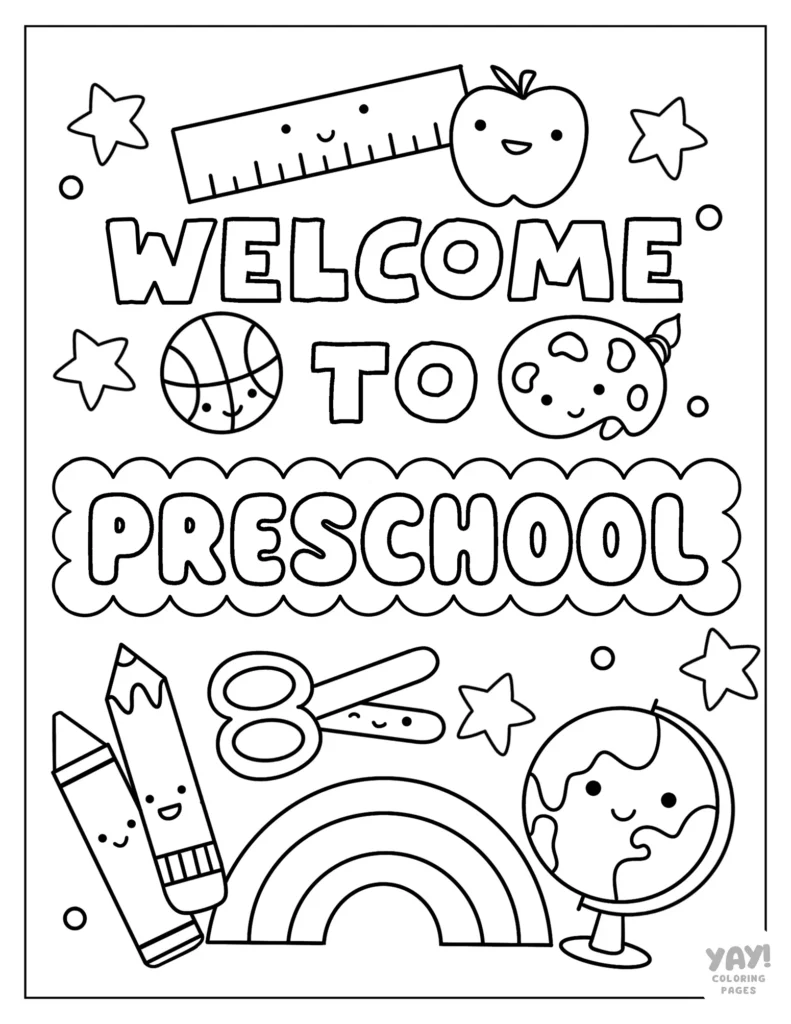
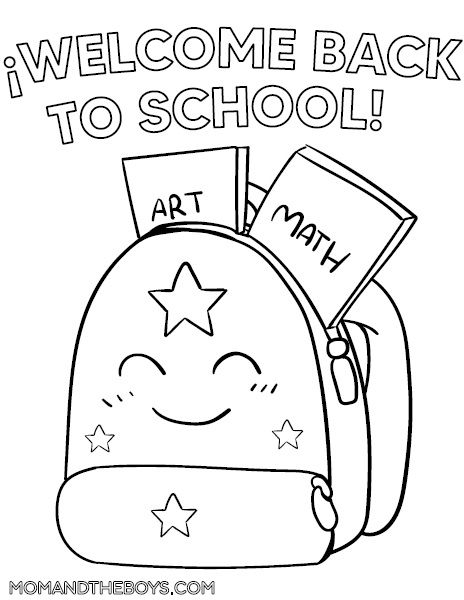
How parents and teachers can use them together: at home, turn coloring into a tiny learning ritual—talk about the colors, count objects on the page, or name letters as you color. In the classroom, place a small center with a few pages, crayons, and a simple prompt to encourage language practice and peer sharing. To make coloring pages more creative, try multi-step tasks: color the scene first, then add a paper accessory cut from colored paper, or turn the page into a tiny storyboard with a beginning, middle, and end. They can stay educational without taking the fun away by weaving questions into the activity: 'What color would the bus be on a rainy day?', 'Which friend would need help lining up?', or 'What sound does the first letter of this word make?' Adapting for different ages is simple: for younger children, offer fewer choices and more tracing; for older kids, add independent writing, color-by-code, or small-group challenges. Common mistakes to avoid include pushing too much detail on a simple page, correcting every stroke, or treating play as a test of performance. Neither print nor digital options should be declared superior; each format offers unique benefits—print pages provide tactile feedback and no screens, while digital coloring can offer adjustable zoom and new color palettes. Finally, ten creative extension ideas: build a mini storybook from the scene, assemble a classroom collage with cutouts, write a few sentences describing the colors used, create a matching card for a friend, stage a quick classroom scavenger hunt, do a color survey with classmates, use fabric scraps or felt for a sensory background, photograph a color-matching collage, set up a felt board scene, or design a simple color chart showing favorites. Frequently asked questions: Q1: Are printable coloring pages suitable for tiny hands? A1: Yes, with large shapes and thick outlines. Q2: Should coloring pages be used every day? A2: They can be part of a varied routine but not the only activity. Q3: How can I integrate literacy into coloring? A3: Use tracing, letter names, or simple sight words on the page. Q4: What about kiddos who rush through pages? A4: Offer a short, focused task and praise effort. Q5: Are there risks of overstimulation with colors? A5: Use a calm color set and short sessions. Q6: Can coloring pages support social skills? A6: Yes, when used in small groups with turn-taking. Q7: How long should a coloring session last for preschoolers? A7: 5–15 minutes depending on the child. Q8: Are there printable resources for different abilities? A8: Look for pages with adjustable difficulty and clear instructions. Final takeaway: Simple coloring activities can still play a meaningful role in early learning, building confidence, vocabulary, and fine motor skills while keeping play at the heart of school readiness.