
Finishing a blank coloring page can feel like the end, but this approach treats it as the start of a broader exploration. With curiosity guiding the process, the page becomes the first step in an ongoing learning journey that blends color with discovery.
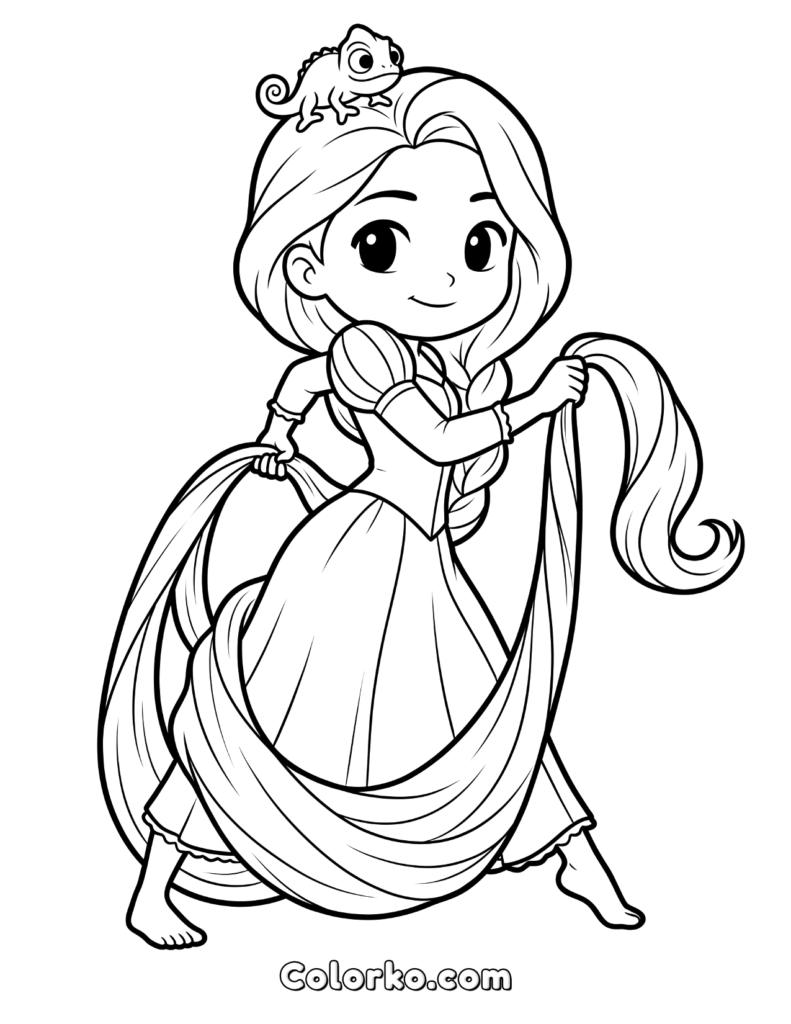
Start With the Picture: A blank coloring page invites an initial topic without a preset script. Choose a page with a simple scene, like a tree, a bird, or a landscape, and let the child decide what belongs there before any labels are added. The first color choices anchor observation and curiosity, showing that art can precede science or storytelling rather than replace it. As colors appear, the page becomes a lived example of how a topic can unfold through exploration. This approach treats coloring as a doorway to dialogue, not a final product. When the child colors with intention, they begin to notice patterns, shapes, and possibilities that can be explored further in later steps. If the page is kept blank long enough for a moment of wonder, the child may describe what they imagine rather than what is already drawn, which invites open-ended inquiry and shared curiosity. The goal is to establish a comfortable pace where color and imagination lead the way, not to complete a checklist.
Notice and Observe
Ask What the Child Notices: Open-ended questions invite observation rather than right answers. What do you notice first—the line, the space, or the potential for color? Which shapes catch your eye? If something were missing, what could fit there and why? How does the scene make you feel, and what story might it suggest? Encourage the child to name textures, moods, or weather cues they perceive. The goal is to slow the moment down and listen to what interests the child, not to steer toward a predetermined conclusion. You can invite them to describe how the colors interact, whether any line feels long or short, and whether the page seems calm or energetic. By pausing to describe their impressions, children build vocabulary for observation and learn to justify speculative ideas with their own words.
Turn Colors Into Questions: As the child experiments with hues, the colors become clues to ideas. Why is the sky blue in this page, or might it be night? Does the choice of green imply spring leaves, a forest, or a field? How would warm tones indicate sunset, heat, or movement? Could purple suggest a fantasy creature or a mystery to solve? By turning color decisions into questions, adults invite curiosity about nature, animals, or everyday objects. The blank coloring page becomes a launchpad for discussion rather than a static scene. You can ask what would happen if the child changed the color of one element and how that would alter the mood or story. In that moment, color is not just decoration; it becomes a hypothesis that can be tested through narration, observation, and shared reasoning.

Beyond the Page
Look Beyond the Page: The blank coloring page is a bridge to real experiences. Read a related picture book, take a short nature walk, or inspect an object nearby—perhaps the cup on the table, a leaf pressed in a book, or a pattern on a quilt. Point out how what we see on the page connects to the world around us, and encourage simple observation notes. Take a moment to discuss textures, smells, or sounds that might accompany the scene in real life. Even a quick trip to the bookshelf or a brief search for a fact about habitats can expand understanding without needing a perfect answer. When children are asked to relate a page to real life, their curiosity becomes a habit: they begin to ask questions about why things are the way they are, and they practice drawing connections between art, science, and daily life.
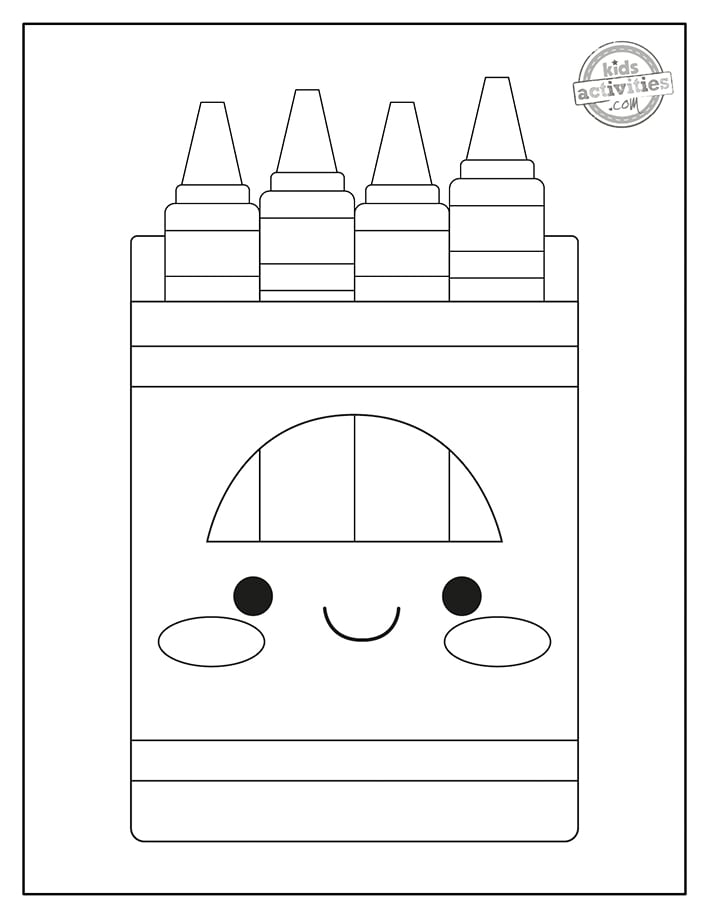
Turn the Picture Into a Story: With colors and questions in place, invite the child to invent characters, settings, events, or explanations inspired by the illustration. A tree may become a home for a tiny traveler; a river could carry a message or a journey; a blank line might become a map of a day’s adventures. Encourage a beginning, a middle, and an end, or let the child sketch scenes as a storyboard. Writing a few sentences, naming a character, or describing why things happen helps the child articulate reasoning and deepen memory of what was observed. Consider suggesting a mini-scene diorama or a voice-recorded retelling so ideas can be revisited later. The storytelling turn gives children a sense of agency and helps them translate visual cues into narrative or explanation, reinforcing memory and language while honoring their unique perspective.
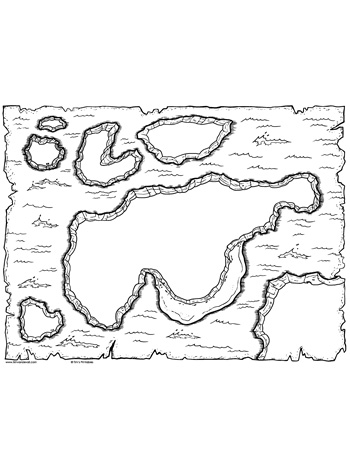
Create Something After Coloring: After the colors dry, extend the activity with drawing, writing, crafting, movement, or simple classification. A practical 20-minute coloring adventure could start with five minutes of free color play, five minutes of sharing what was noticed, and ten minutes of a small project such as labeling parts of the scene, assembling a tiny diorama from household materials, or recording a short spoken summary. In classrooms, teachers can frame the blank coloring page as a starting point for science checks, nature journaling, or library research, allowing curiosity to guide exploration rather than a fixed rubric. The goal is not to finish the picture but to keep wonder alive, so ideas ripple into books, field trips, conversations, and family activities. And finally, this approach helps children build confidence in asking questions and pursuing answers in playful, hands-on ways, so the blank coloring page remains a living invitation to learning rather than a solitary task.