
Feeling organized from the start helps kids learn math faster. In this guide to 2nd grade addition color by code, you will see how a simple printable activity can turn quick calculations into color-filled discoveries. Short daily sessions and clear review matter.
Color by code activities turn the sums into colors, not guesses. Students solve a set of addition problems and shade each cell according to a color key. The visual feedback helps kids see patterns, like when a total is near ten or when a sum requires regrouping. Having a printable page that combines math and art keeps practice engaging and helps families support daily routines.
To start, print a clean page and keep a small color key handy. Laminate the page or use a dry-erase sleeve so it can be reused, or print new copies for a fresh challenge. Use this activity as a short math center or a guided warm-up, timing five to ten minutes per session. Pair students strategically and encourage self-checking to build independence.
2nd grade addition color by code
My recommended routine combines a quick warm-up, independent work, and a short reflect-and-review. Begin with two problems, color the results, then compare answers with a partner. Move to three or four more problems as stamina allows. End with a quick self-check and a note in a learning log to track growth.
Color by Code Activities
Differentiation ideas: adjust the color code range, use smaller or larger sums, or extend to number bonds to 20. For students who finish early, add a few bonus problems or let them create their own color codes for a mini-challenge. Keep a simple progress tracker so you can celebrate improvements over weeks.
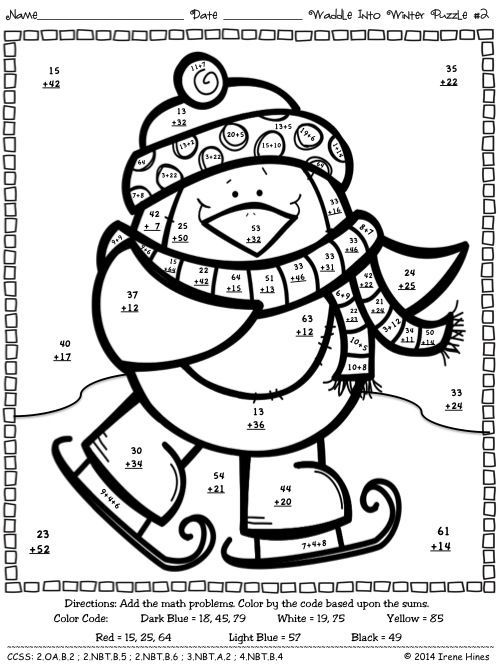
Common mistakes to watch for include misreading the color key, skipping regrouping steps, or coloring based on the problem instead of the sum. Model the process aloud, pause for self-correction, and offer a quick check sheet you can reference. Regular review helps cement memory and reduces errors during fast-paced drills.
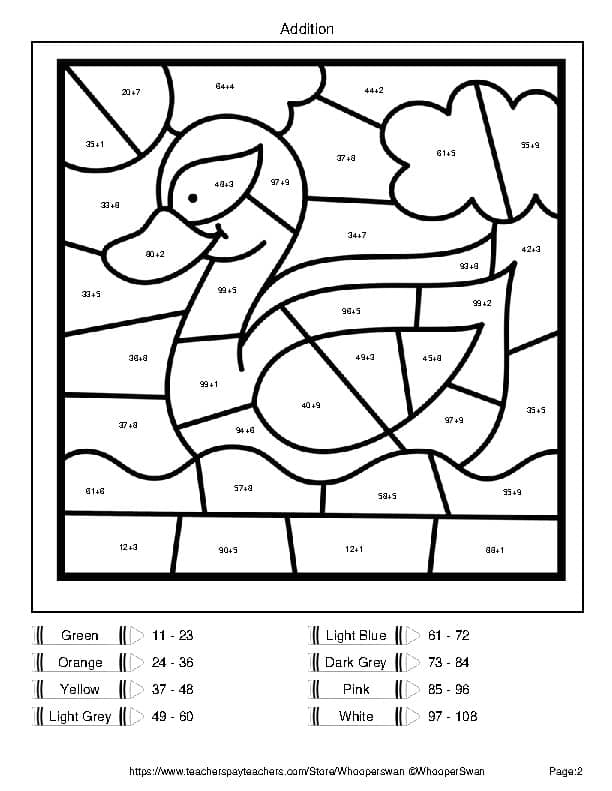
Printable resources like this fit neatly into a weekly plan. Use a consistent color scheme, keep the same color key across pages, and rotate through the set to avoid boredom. The goal is steady exposure—short, predictable practice that builds confidence and routine in math work.
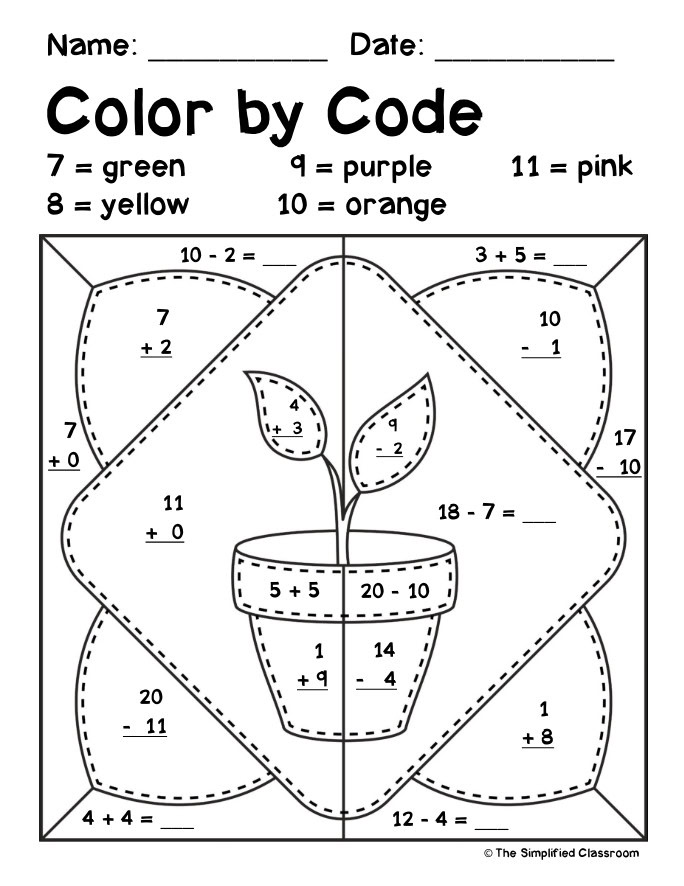
If you are ready to start, set a 15-minute block on three days this week and keep it consistent. Use the color-by-code pages as a backbone for a small math station, then gradually introduce new problems or friendly competitions. With a predictable routine and clear goals, second graders can grow more fluent and self-reliant in addition.