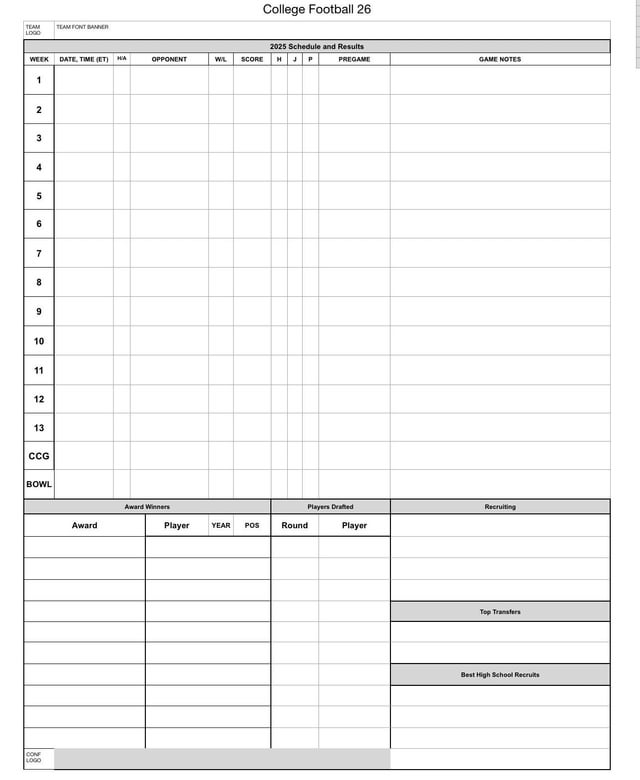
Opening a lesson with clear planning begins with the right tool. The printable blank spreadsheet serves as a versatile foundation for calendars, trackers, and activity grids you can print and reuse with students.
Begin with a clear purpose for your printable blank spreadsheet. Decide what you will track: daily attendance, homework completion, or station rotations. Then map the sections you need, such as a date column, a task column, and a space for notes. This approach mirrors how you plan a week in class, breaking a big objective into manageable steps. When you narrate the plan to students, you can show how data from the sheet informs group work, pacing, and available supports. The act of labeling early makes the rest of your planning smoother and more consistent.
H2: Printable Blank Spreadsheet
As you design, think about templates you might reuse. Start with a simple grid, add bold headers, and establish color codes for different subjects or groups. Give each section a clear label: Date, Objective, Outcome, and Reflection, for example. Building in advance saves you from scrambling during planning sessions and helps you present a cohesive plan to colleagues. A well-structured printable blank spreadsheet can become the backbone of your daily routine, not a one-off sheet.
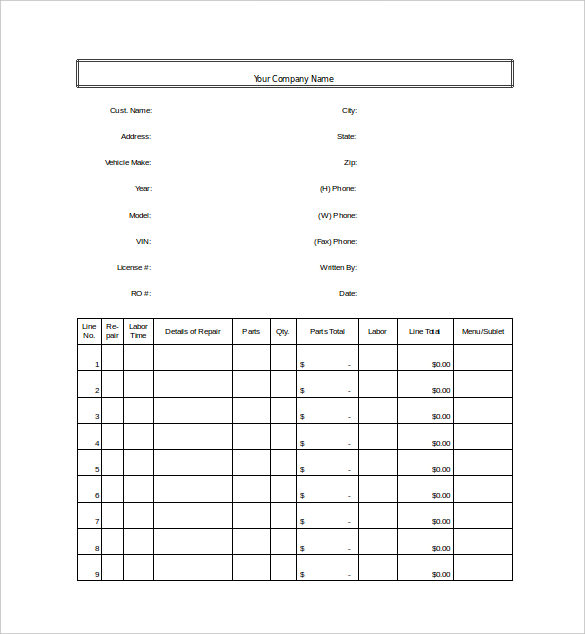
Practically, you can use the printable blank spreadsheet to support a wide range of classroom activities. Create a weekly lesson plan grid, track student progress, or run a simple seating chart with names and assigned tables. For younger students, print a version with large headers and spacious cells to accommodate drawings or checkmarks. For older students, include a compact column for quick assessment notes. The consistency of a single tool helps students anticipate routines and teachers stay organized.
Getting Started
Getting started with printing means a quick setup routine. Open your template, review each header, and confirm that there is enough space for your notes. Use landscape orientation if your grid feels wide, and enable repeat header rows so the first row appears on every page. Keep a practice copy for yourself to check margins and legibility before distributing to students.
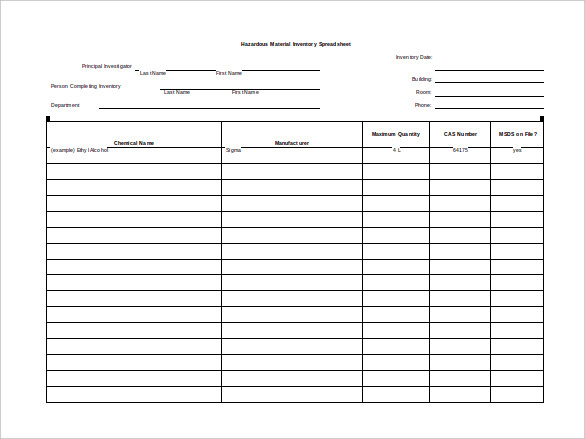
For example, a weekly planner template helps you outline objectives, materials, and assessment prompts for each day. A field trip checklist on a printable blank spreadsheet keeps permissions, timings, and transport details in one place. A monthly calendar can track events, reminders, and due dates, and you can print a copy for students to reference. You can also create a simple behavior or participation chart, updating it as the unit progresses. The key is to keep the layout simple and legible while leaving room for notes and feedback.
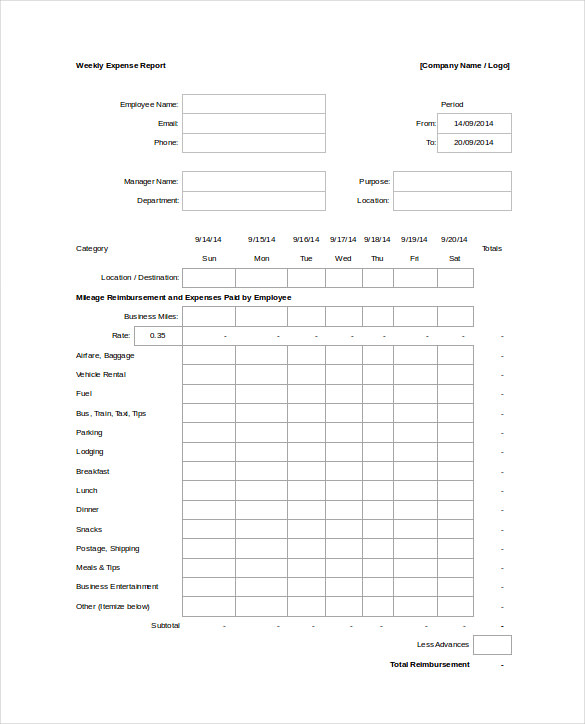
Close with a quick routine: review your printed sheets with students, ask for feedback, and store clean copies for the next term. Laminate a few copies for reuse with dry-erase markers, or tuck printed sheets into student folders. Over time, the printable blank spreadsheet becomes a familiar scaffold that supports planning, accountability, and reflection.