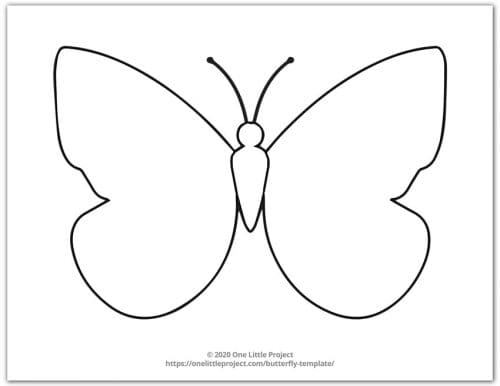
butterfly template printable pdf is a simple way to blend art and language practice for young readers. This article explains how to use ready-made templates to support vocabulary, handwriting, and fine motor skills in classroom or home settings.
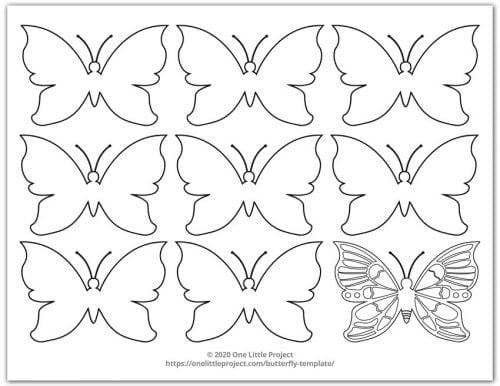
With a butterfly template printable pdf, teachers and parents can quickly access ready-made pages designed for beginners. The file typically includes large butterfly shapes, simple line art for tracing, and clear cut lines for cutting out wings. Students can color wings to reinforce color names, practice fine motor control, and follow simple directions. Use the templates for sequencing activities, such as ordering wings from smallest to largest, or matching body parts to the correct label. For busy classrooms, print in grayscale with bold outlines to keep contrast high. Print multiple copies for stations where students trace one wing, then label the corresponding color or word. This keeps practice focused and manageable in a single period.
Getting started
To get the most from these resources, print on standard US Letter paper and choose a simple layout that fits your printer. Have students trace the lines with a pencil, then switch to marker or crayon as they gain confidence. Lamination is helpful for centers or literacy stations. You can turn the template into a craft by cutting the wings and assembling a butterfly on a craft stick or construction paper. Pair the activity with a few prompts, such as naming colors, describing patterns, or identifying body parts like head, thorax, and abdomen. Clear language supports beginners and helps you check understanding quickly.
These templates work in several teaching moments. Use them as a morning warm-up, a quick literacy center, or a take-home activity to reinforce vocabulary. Print two copies per student for flashcard play: one wing shows the color or word, and partners match the other wing to complete the butterfly. For older beginners, add a short writing task: describe the colors or draw a small pattern on each wing. You can also create a cut-and-paste booklet, arranging wings in order and labeling each part. The design keeps language practice visual, tactile, and collaborative.
Practical Tips
Practical tips for adapting the butterfly template printable pdf include adjusting difficulty, using sentence frames, and pairing students for peer support. For younger learners, offer tracing and color-name prompts. For stronger readers, invite labeling of parts and simple descriptions. If a learner has color vision differences, provide high-contrast options or print in grayscale with bold outlines. Keep activities short—five to seven minutes per station—and rotate to maintain focus. Finally, check understanding by asking students to point to the correct wing color or label as you model the language.
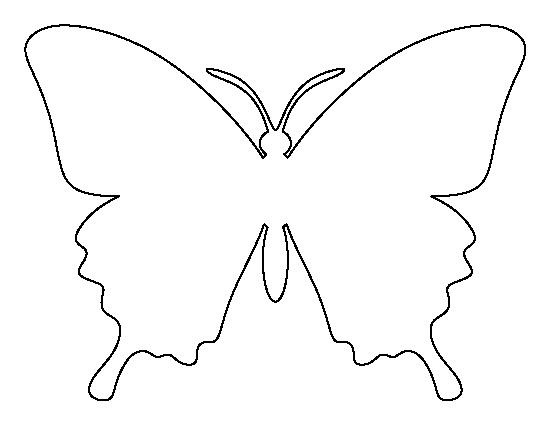
Beyond language practice, the templates lend themselves to science topics like life cycles and symmetry. Use a blank wing page as a mini chart where students draw patterns or record colors. Wings can become vocabulary cards for a small word wall, especially in nature or insect units. You can also create a simple metamorphosis map by numbering wing sections and ordering events: egg, larva, pupa, adult. This cross-curricular approach helps learners connect observation with language and writing.
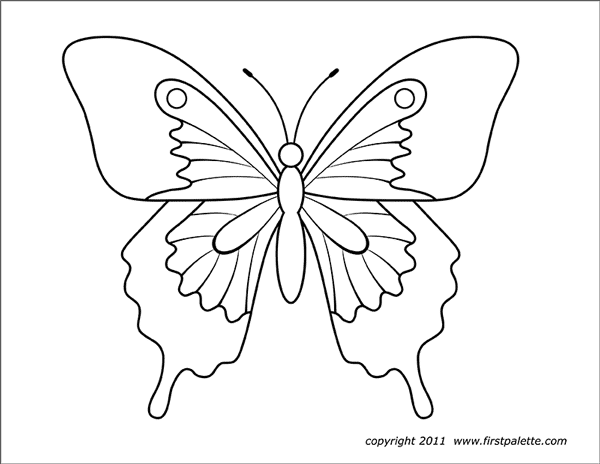
With these printable templates, you can build a small library of activities that support ESL goals. Keep a few ready-to-use packs at centers and invite students to choose colors or patterns to personalize their butterfly. Sharing a printable pdf with families makes learning feel collaborative and gives learners a visible record of progress. If you need more ideas, pair the templates with short speaking prompts or picture dictionaries to encourage daily practice.