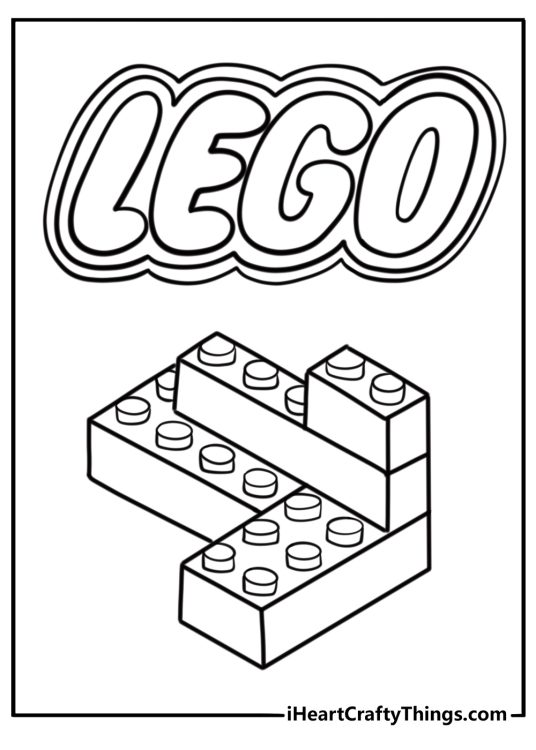
A child sits at the table, crayons in hand, carefully filling in a lego colouring page. The page glows with bricks and towers, wheels glittering as colors meet simple shapes. Their focus is gentle, the room quiet except for the soft scratch of pencil. This small moment hints at stories waiting to emerge.
Coloring can become conversation. **What if the picture is only the beginning of the story?** A parent, teacher, or friend might notice details and ask about characters, places, and the challenge on the page. This turn invites curiosity and playful thinking, not a guarantee of language development, but a chance to practice describing, listening, and imagining together.
Every Picture Can Become a Story
Children can invent a brave builder, a talkative robot, or a shy explorer who discovers a secret doorway between bricks. They imagine settings: a bustling construction site, a floating city, a cave beneath a castle built of lego blocks. They propose events: a race to finish a tower, a rescue when a wheel rolls away, a storm that scatters bricks. They introduce problems: a missing tool, a broken bridge, a plan that goes awry. The act of naming characters, places, and challenges gives kids a scaffold to tell a story aloud or jot a quick outline. When adults respond with listening and curiosity—offering fresh ideas without judging the outcome—children gain confidence to invent, revise, and dream. The aim is not to hand them a fixed script but to offer a spark that fits their page and interests. A page can become a stage for dialogue, a map for a journey, or a blueprint for collaboration with another reader later.
From Picture to Short Story, children can start with one sentence naming who is in the scene, what they want, and what stands in the way. Then they can add a second sentence about how the conflict is resolved or left open for more imagination. Keep prompts flexible: a blue door might reveal a helpful companion, while a quiet lake could hold a promise of adventure. By breaking the task into small, doable parts, kids learn to move from image to narrative without pressure. This process centers on observation, word choice, and listening to a partner, rather than perfection. It also helps families and teachers see a path from doodles to ideas they can recreate in new pages, with room to grow as language and confidence develop.
Coloring Before Writing
Coloring Before Writing continues the idea that a visual page provides a low-pressure starting point for storytelling. When a child looks at the colored page, they can describe what they colored first, notice colors, shapes, textures, and how those choices might influence a story. Adults can model descriptive language by naming colors and features, then asking open-ended prompts like what happens next or who helps the characters. The approach respects different paces and language abilities and can involve gestures, single words, or short phrases rather than long sentences. It also becomes a social activity that invites turn-taking, listening, and shared imagination, whether you color together at home or in a classroom corner.
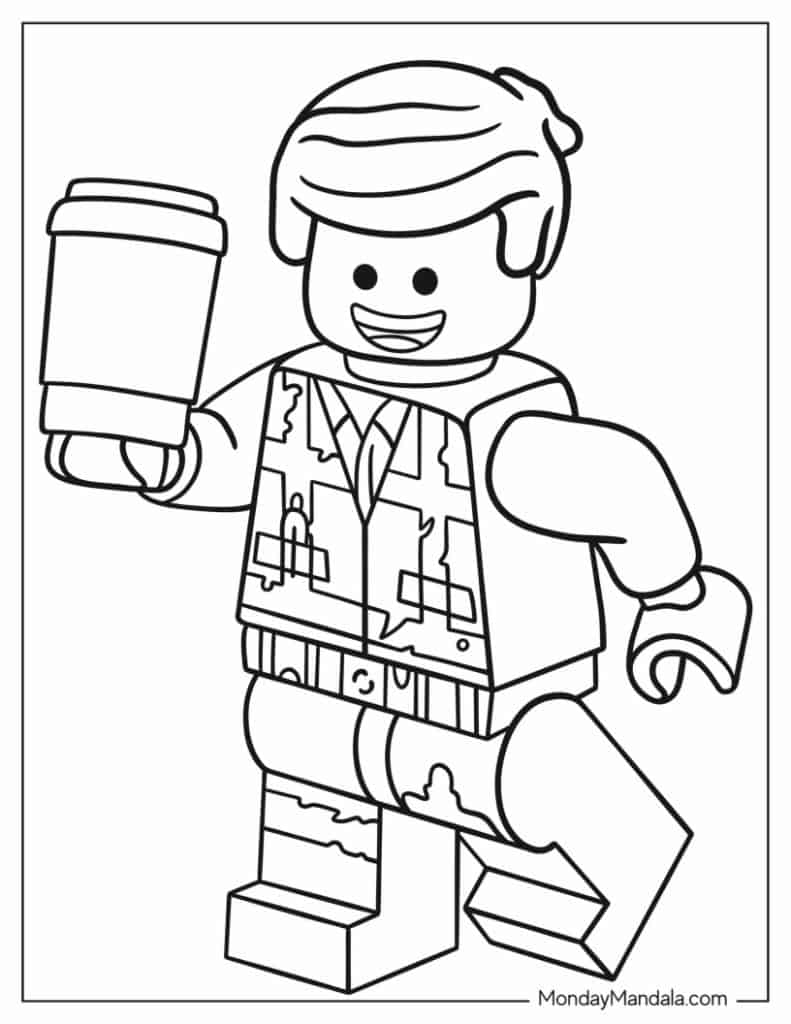
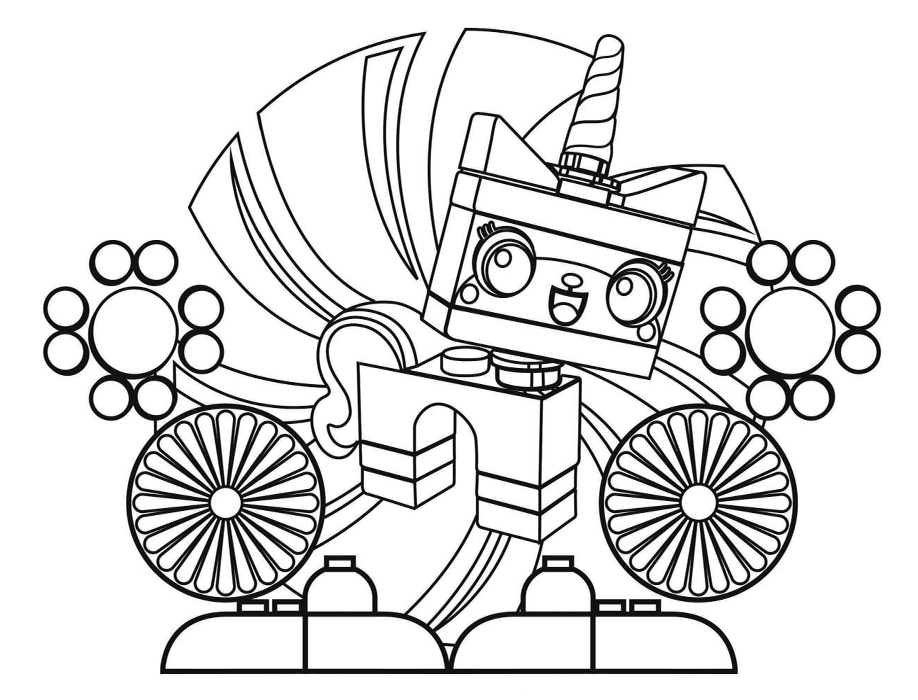
Adults can weave vocabulary into the activity by naming colors, textures, and shapes as descriptive prompts and modeling adjectives. As a page fills with color, talk about size, distance, and position: the tower is tall, the wheels are round, the door is blue. Reading aloud the story as it grows helps children hear sentence rhythm and expand their expressive bank. This approach can morph into practical classroom and family routines without prescribing outcomes. Turn free printable lego colouring pages Into a Classroom Storytelling Activity by setting a short time, inviting one or two ideas, and sharing the mini-story with the group; Turn free printable lego colouring pages Into a Parent-Child Conversation by keeping the conversation light, asking questions, and celebrating ideas together; Let Children Change the Picture by encouraging imaginative edits and non-realistic choices; A 15-Minute Coloring and Storytelling Routine can become a regular, joyful habit that centers on imagination and language rather than correctness.