
printable roses offer a gentle, hands-on way to explore symmetry, counting, and crafting skills. I learned long ago that simple visuals can spark curiosity without overwhelming busy students. These pages fit neatly into lesson transitions, quiet corners, and home projects, making learning feel calm and meaningful. When a bouquet of printable roses appears on the calendar, a classroom mood shifts—students become collaborators, and the room gains a touch of calm focus. The beauty of this resource is that it invites thinking rather than rushing to the next worksheet, and that quality time at a desk can become a tiny, memorable moment in a busy day.
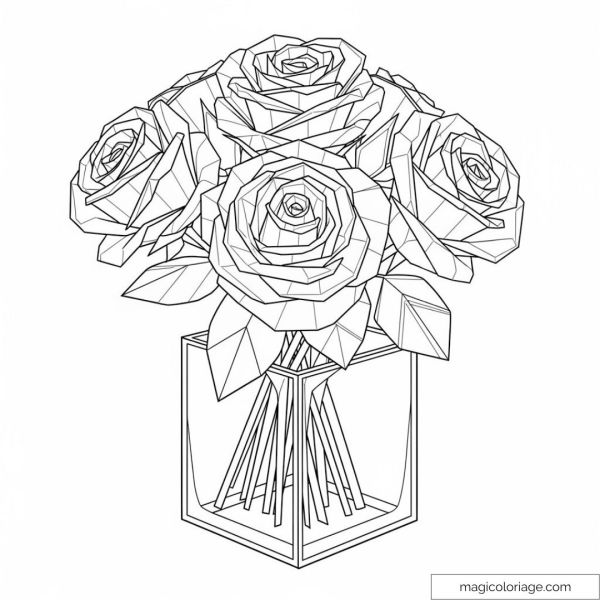
They come as printable PDFs or ready-to-print pages you can tailor with names, colors, or numbers. In class, students might label petals with math facts, alphabet letters, or vocabulary words, turning a decorative flower into a mini reference sheet. You can cut petals to assemble a bouquet that represents teamwork, or color-code petals to reinforce classification and sequencing. For younger learners, the petals can become tracing guides for handwriting, and older students might write short reflections on each petal about what they noticed during the activity. You can turn the entire bouquet into a storytelling prompt: each petal holds a clue to a sentence, and together the full bloom tells a story. The flexibility is what makes printable roses a reliable tool across subjects—from science warm-ups to language arts centers.
Practical ideas
Practical ideas for using printable roses are simple and repeatable, which matters in a classroom with shifting schedules. A quick warm-up might feature a single rose on the board and a prompt for students to write one descriptive word on a petal. In small groups, students arrange petals to form color or number patterns, then explain their choices to the class. Centers can include a color-matching activity, a vocabulary scavenger hunt where petals hide new terms, or a writing station where students craft a tiny poem on a petal that will later be glued into a class bouquet. The visual appeal buys attention, but the conversation and collaboration deepen understanding.
Extensions and crafts
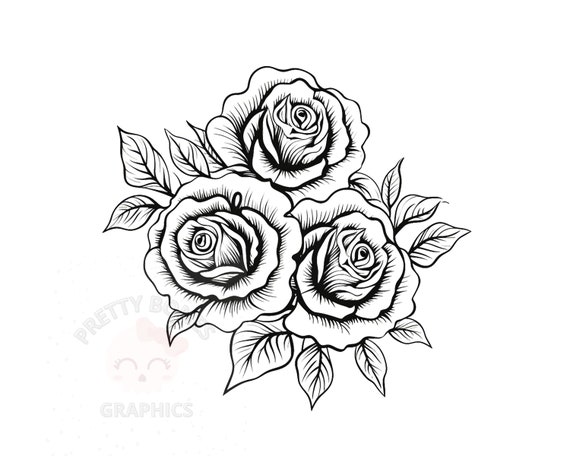
Older learners can extend the activity by incorporating science facts or historical dates on the petals, then arranging the petals into a timeline or concept map. For a hands-on art project, students color, cut, and assemble a bouquet that represents a theme—perhaps seasons, community helpers, or famous scientists. You can turn the arrangement into a shared bulletin board, with each student contributing one petal and a short caption. When used this way, printable roses become not only a learning tool but also a sense of ownership: students see their effort displayed as part of a larger classroom story.
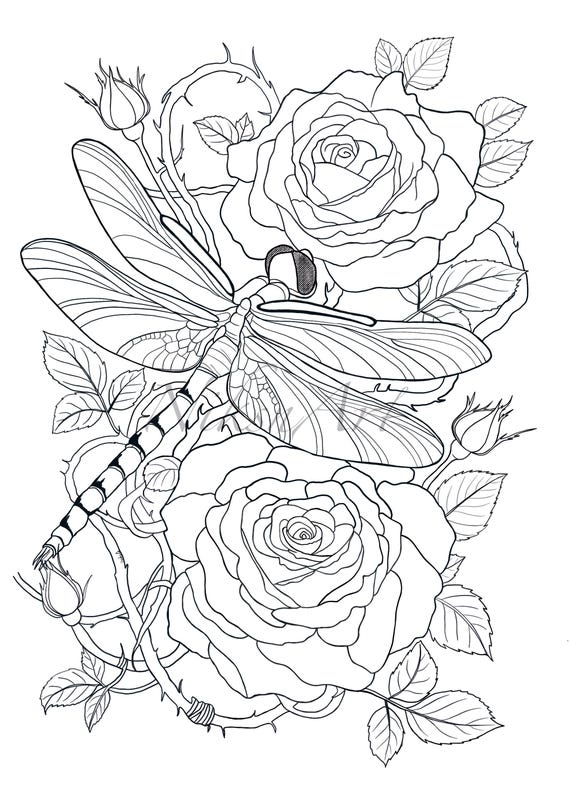
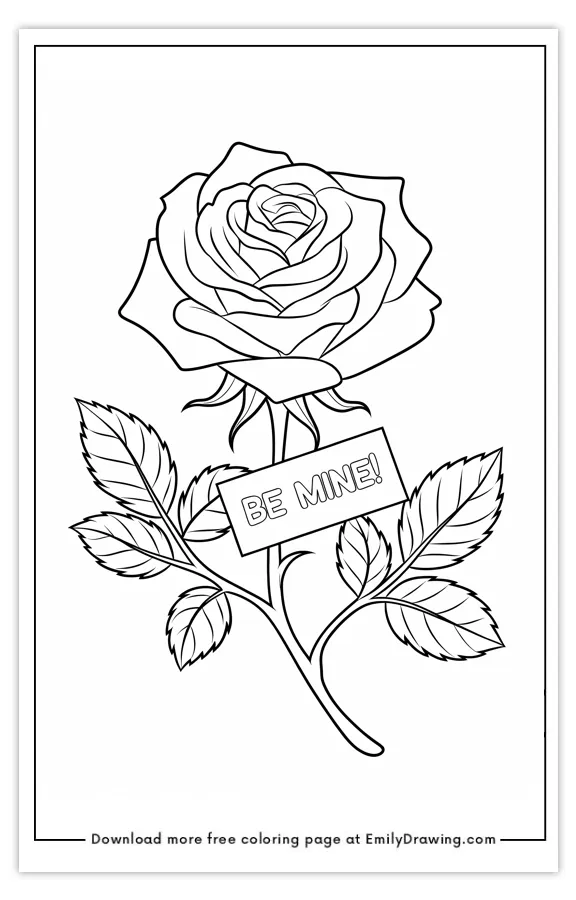
Printing tips help you get the most from these resources without clutter. Use sturdy paper or cardstock for durability, and consider laminating petals if you want a reusable activity. Black-and-white prints with colored pencils save ink while keeping visual appeal; they often look more thoughtful in a classroom display. For younger students, provide safety scissors and a glue stick for simple assembly; for older students, small fasteners can turn a flat bouquet into a manipulable project. Store completed bouquets in labeled folders or on a display board as a rotating gallery. Set expectations around sharing and collaboration—clear roles keep everyone on task and help learners see that the goal is understanding, not perfection.