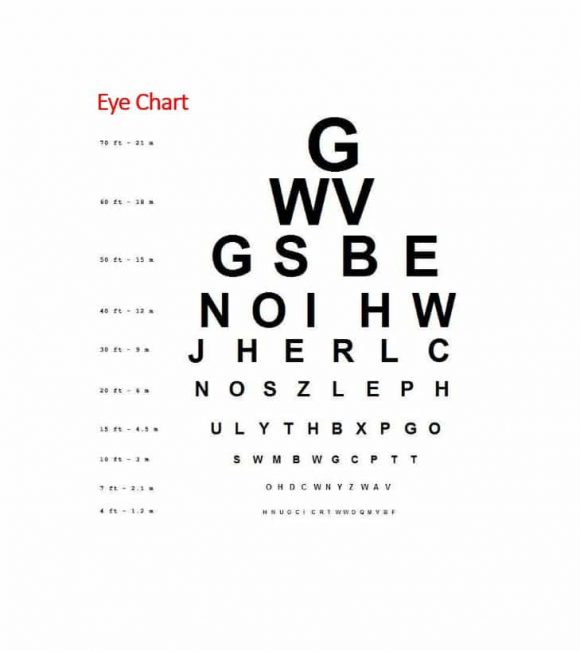
If you want a simple, practical way to gauge vision at home, an eye test printable gives you a quick reference. Use it to notice changes between clinic visits, then bring your concerns to an optometrist for a full assessment.
To use it effectively, follow these practical steps. First, choose a quiet, evenly lit room and mount the printable at eye level. Next, stand at the distance recommended by the chart, usually far enough to read lines clearly. Cover one eye with a gentle patch, then read from the top line down until you can’t distinguish letters. Record the smallest line you could read accurately and note any missing or misread letters. Repeat with the other eye, and with both eyes open. Keep a simple log so you can track changes over time and bring it to your next appointment.
Eye test printable basics
Look for a credible eye test printable that uses a high-contrast black and white design, which reduces confusion from colors. Avoid free graphics that look distorted or blurry, and print on a clean sheet without margins covered by the printer. Ensure the print is legible at the chosen distance, not cutoff by page edges. A timer is not necessary. Also, remember this is a screening tool, not a diagnosis. If you have strong headaches, double vision, or difficulty reading lines, schedule an eye exam promptly. This keeps the testing experience calm and straightforward.
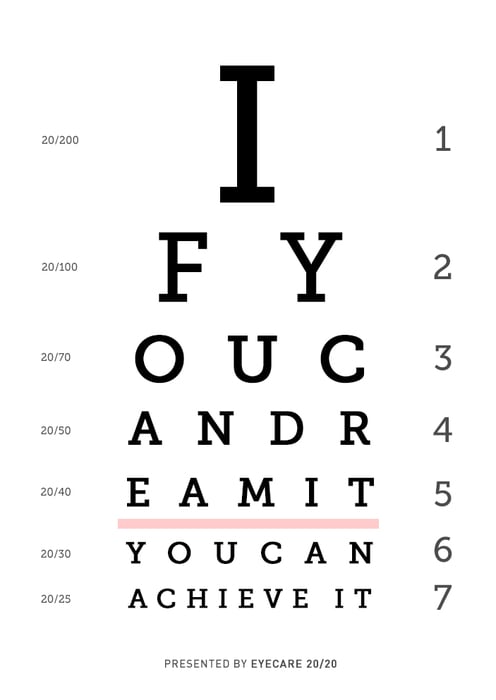
Because eyesight can vary by age, consider a child-friendly printable with larger letters and friendly symbols. When testing kids, make it a light, playful activity and never force a reading if your child loses interest. For adults, a straightforward chart is usually best, and you can run the test weekly or monthly to notice shifts. If your results differ significantly from a recent professional test, take note and discuss it with your optometrist. Keep the environment stable: avoid glare, ensure the distance is consistent, and use the same lighting each time.
Eye test printable safety
Interpreting results requires caution. A single misread line could be a momentary issue rather than a trend. Compare your current reading with the last few tests to identify a pattern. If Line 6 or higher on a Snellen-style chart is unreadable, or if you notice new visual symptoms such as blurriness, halos, or eye strain, contact a clinician. Do not attempt to self-diagnose or adjust medications. Store your printable in a dedicated folder or notebook so you can locate it easily before appointments. And if you wear glasses or contacts, test with your current correction in place.
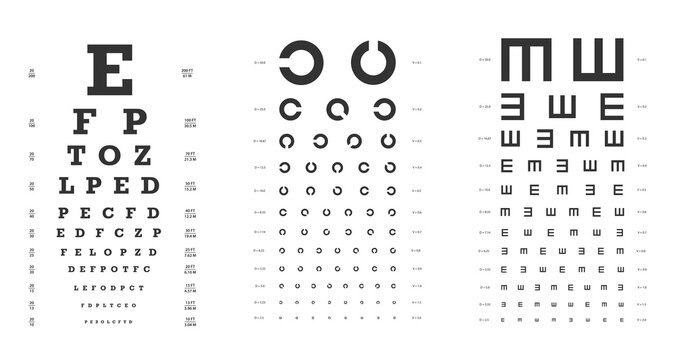
To maximize consistency, use the same distance and the same print every time. If your print feels too small, consider a larger-size version within the same printable, or switch to a different page that offers more readable text at your distance. Tape the page to a wall at eye level and mark a line on the floor as a distance reference. Involve a friend to read the lines back to you; this helps prevent you from guessing. Finally, treat the printable as a routine health habit rather than a one-off activity.
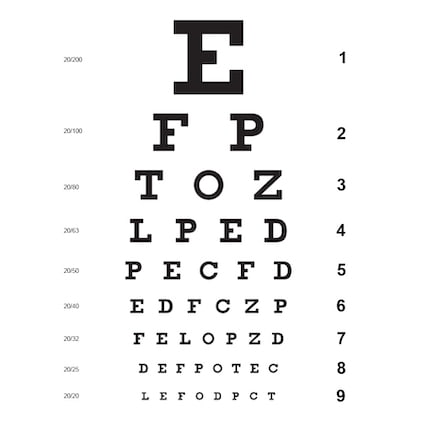
With a clear plan, an eye test printable becomes a practical home tool that complements regular eye care. Maintain a simple log, note circumstances such as lighting and fatigue, and revisit your results after a few weeks. Use what you learn to orient conversations with your eye doctor, not to draw conclusions on your own. By keeping expectations realistic and following up when needed, you will use this resource responsibly and stay on top of your visual health. Regular checks can empower your care team to tailor recommendations for your long-term eye health.