
If you’ve ever wondered about words with e silent e, this printable guide explains the pattern clearly. You’ll see how a final e often signals a long vowel sound and how spelling links to pronunciation, making practice feel natural for learners.
Think of a few simple examples to see the pattern: bake, made, note, and rope. These are all words with e silent e, where the final e helps signal a longer vowel before the consonant. The rule isn’t perfect—English has many exceptions—but it covers common spellings you’ll meet in stories and worksheets. Sorting words into groups like short a or short o before the silent e helps learners notice how spelling guides pronunciation.
words with e silent e
Use this printable resource as a quick classroom or home activity that travels easily to a light desk routine. Print pages for individual practice, partner tasks, or a small-group station. Include a mix of matching cards, cut-and-sort sheets, and a simple fill-in chart where students identify the silent e pattern. Encourage learners to explain their choices aloud to reinforce listening and speaking. Laminate key pages for durability, and add a simple check rubric to build independence.
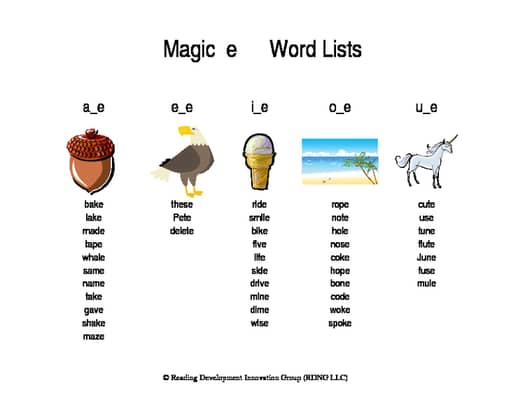
To anchor the concept, build a small word-family center on the page. Create columns for CVCe endings and CVe endings, and invite students to add their own examples. Color-code by vowel sound—green for long a or long e, blue for long o—so the relationships stand out at a glance. Add quick challenges, like finding two extra words in a favorite story that fit the pattern. This kind of practice helps readers transfer the rule from the worksheet to real reading.
Practical practice
Beyond passive recognition, pair these activities with an oral routine. Have students say each word, identify the vowel sound, then spell it aloud on a whiteboard. Short dictation rounds and word sorts keep energy up and promote active engagement. When learners see several examples in a row, the silent e becomes a dependable cue rather than a mystery.
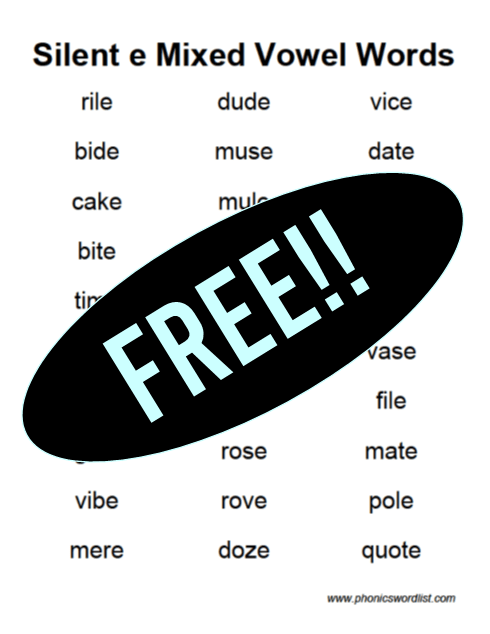
For differentiation, offer tiered lists: easy words like bake, note, rope; medium lists with longer forms such as plate and flame; and a few trickier examples to discuss, like theme and scene. Use a pocket chart to display the endings and invite students to sort words by pattern. Pair the printable pages with a quick reading activity, so students apply the pattern while following along in a story.
Printable activities shine when kept simple and consistent. Try a five-minute warm-up, a short practice, and a quick reflection on why the silent e matters for reading. Encourage families to print and reuse pages at home, perhaps alongside a favorite book. When practiced regularly, the pattern becomes intuitive and builds confidence with everyday texts.