
As a homeschool educator, I love using snowman parts printable to anchor winter lessons in math, language arts, and science. These printable pieces turn a simple winter figure into a hands-on learning station families can adapt at home.
Snowman parts printable typically include outlines for the head, body, hat, scarf, nose, eyes, and buttons. Teachers and homeschoolers use them for sequencing activities, matching games, and labeling tasks. For younger students, cut-out pieces become a cut-and-paste center that builds fine motor skills and visual discrimination. For older learners, provide a labeled diagram and a short prompt about weather or seasons. The flexibility makes these resources reliable for winter weeks at home. These activities can be adapted for literacy centers, science notebooks, and math stations, offering rich, low-prep options that fit a variety of schedules.
Aligning these printables with learning goals helps families plan purposeful instruction at home. Pair the parts with a simple math problem, such as counting the number of buttons or comparing circle sizes that form the snowman's body. You can extend to science by describing how snow melts and what happens to the parts as temperatures rise. By offering options, you meet varied levels, keep students engaged, and maintain a calm, productive pace in your daily schedule.
Learning goals
Practical activities make the most of snowman parts printable. Set up a centered station where students assemble a snowman from the printed pieces, then record the order in a simple sequence chart. Laminate the pieces and use dry-erase markers for longer practice, or staple the parts to a pocket chart for group work. Color-coding parts by family (head, torso, accessories) helps with organization and memory. You can also create a quick rubric for self-checking, focusing on accuracy, neatness, and following the assembly steps. If space is tight, you can run two short rounds instead of one longer session.
Hands-on ideas
To differentiate, offer larger pieces for younger children and smaller, more detailed parts for older students. Use magnets or Velcro on a whiteboard so the snowman comes together in front of the family or class. If a learner needs extra support, provide tactile versions or pre-sequenced templates and add a simple cue card with one or two steps. Integrating these printables with a read-aloud winter story also creates a natural bridge between literacy and topic work, making the activity meaningful and memorable. Keep a simple reflection card nearby for students to jot one thing they learned.
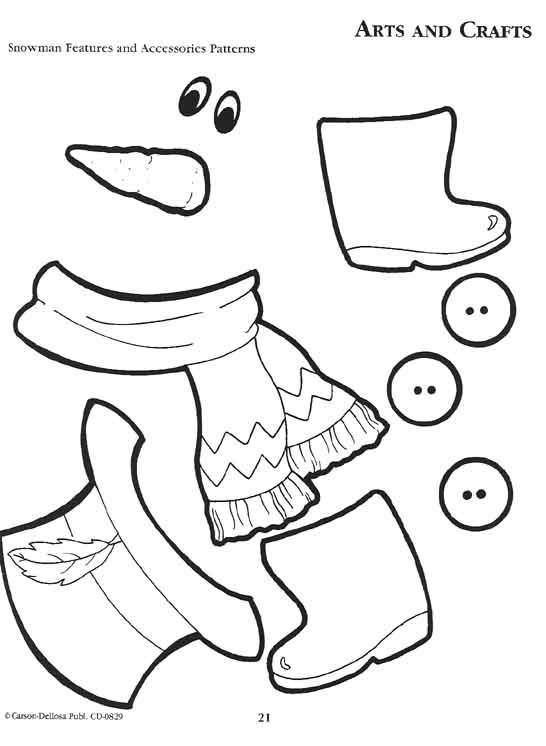
Differentiation matters in any homeschool plan. For non-readers, picture labels and direction cards help; for strong readers, encourage caption writing or a mini-report about the snowman parts and what each part does. Encourage students to explain their design choices, which reinforces oral language and writing. If you have limited space, reuse a single sheet by having students draw their own snowman parts and label them from memory, then compare with the printed version. These strategies keep instruction adaptable and responsive. Offer optional extension tasks for early finishers.
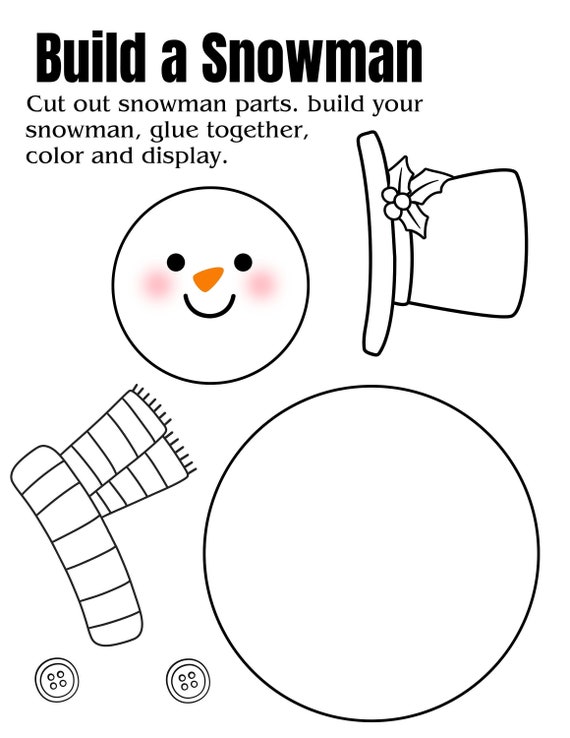
Cross-curricular opportunities abound. Use the snowman parts printable set to practice early geometry as children compare shapes and sizes. In social studies, discuss winter traditions linked to clothing or symbols on a snowman. In art, invite students to color or decorate the hat and scarf to reflect character traits. Finally, add a math center where learners tally each part's quantity across several snowmen, building data-collection habits and basic averaging. You can also record responses in a math journal.
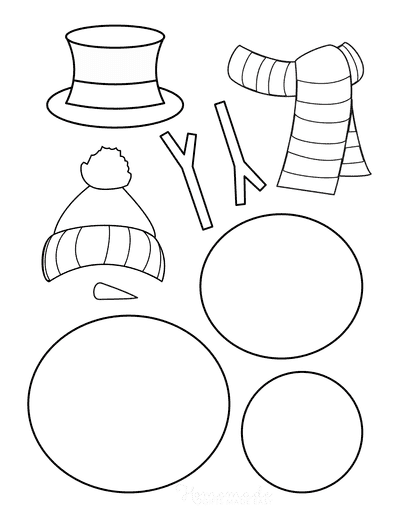
As winter weeks roll in, these printable resources help keep instruction structured and joyful. By framing a simple snowman as a learning station, you create a repeatable routine that supports independence and family involvement. When you print, cut, and laminate, you turn a seasonal theme into durable, reusable practice that supports core standards while keeping learning warm and engaging.