
As a lesson planner, I begin with clear objectives: use a printable sock template to blend art, measurement, and a practical sewing task into one focused, hands-on activity that fits our class period, accessible to students of varying skill levels.
Before students enter, I outline success criteria: neat tracing, accurate size adjustments, and a finished sock piece that can be colored or decorated. I gather materials in stations: a printer or copy of the template, colored pencils, scissors with safety blades, tape or glue, and a simple worksheet for notes. I adjust expectations for diverse learners by offering larger tracing outlines or optional blank spaces for extra details. I also review classroom expectations for safe handling of scissors and fabric scraps to keep everyone focused during the activity.
Then we move through a short sequence: warm-up, design, and assembly. In the warm-up, students examine the template, discuss what the lines represent, and practice safe handling of tools. The design phase invites students to personalize their sock with colors, patterns, or simple illustrations that fit the theme of the project. During assembly, they trace outlines on colored paper or fabric, cut along the lines, and use tape or glue to assemble a pretend sock or a decorative sock cutout. Finally, we reflect with a quick exit ticket where learners describe one skill they mastered and one area for improvement.
Printable sock template targets
Using a printable sock template in this way creates a cross-curricular moment: art, math, literacy, and practical life skills all in one activity. Students practice fine-motor control while tracing and cutting, then apply color and texture to reinforce pattern recognition. The template acts as a steady scaffold, allowing quick differentiation: some learners color inside the lines, others add measurements or labels to their designs, and advanced students experiment with symmetry. Pair work fosters discussion about design choices, and a gallery walk at the end helps students articulate what they learned and celebrate each peer's creativity.
Printable sock template differentiation
Now the pacing and checks matter as much as the design itself. I use a simple, ready-made rubric that assesses planning, execution, and reflection, not just the final look. Students who finish early can add a second sock with a more complex pattern, while those who need more time work with a partner to verbalize decisions and explain their steps. I circulate with targeted prompts, asking questions like, 'What choice helps your sock stay balanced?' or 'Where could you improve the tracing for a cleaner edge?' The goal is a tangible artifact and a clear sense of progress.
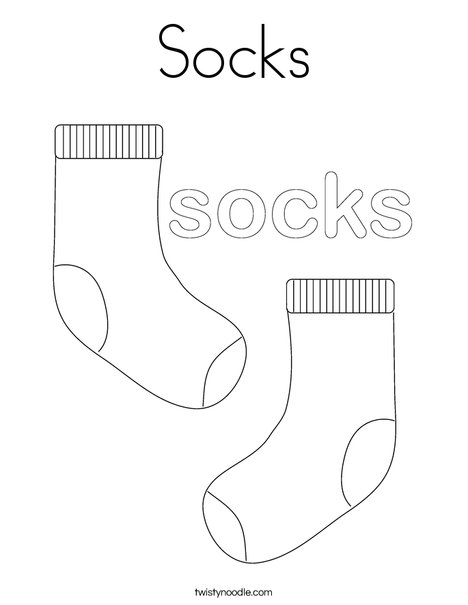
In practice, the printable sock template serves as a repeatable unit that can be revisited across topics. After the initial craft, classrooms often reuse the template to map patterns, count segments, or compare sock sizes with a simple measurement chart. I encourage students to annotate their templates with one or two observations, which supports literacy practice and mathematical discussion. The template also travels well into early- and late-finish work, giving every learner a meaningful endpoint that can be shared during a class discussion or posted on a classroom wall.
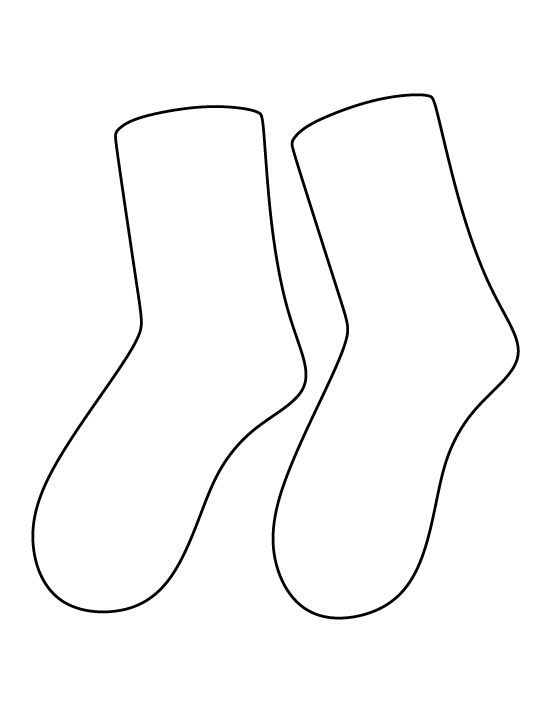
Reflection and display are built into the routine. At the end of the project, students present their sock designs to peers, describe the choices behind color and line work, and explain how measurements or symmetry influenced their outcomes. This public sharing reinforces communication skills and boosts confidence. I collect a quick one-page checklist for teachers: note collaboration, accuracy of tracing, neatness of final edges, and the ability to articulate design decisions. A small gallery in the hallway or a digital quick slide can become the culmination of the unit, inviting feedback from classmates and families.
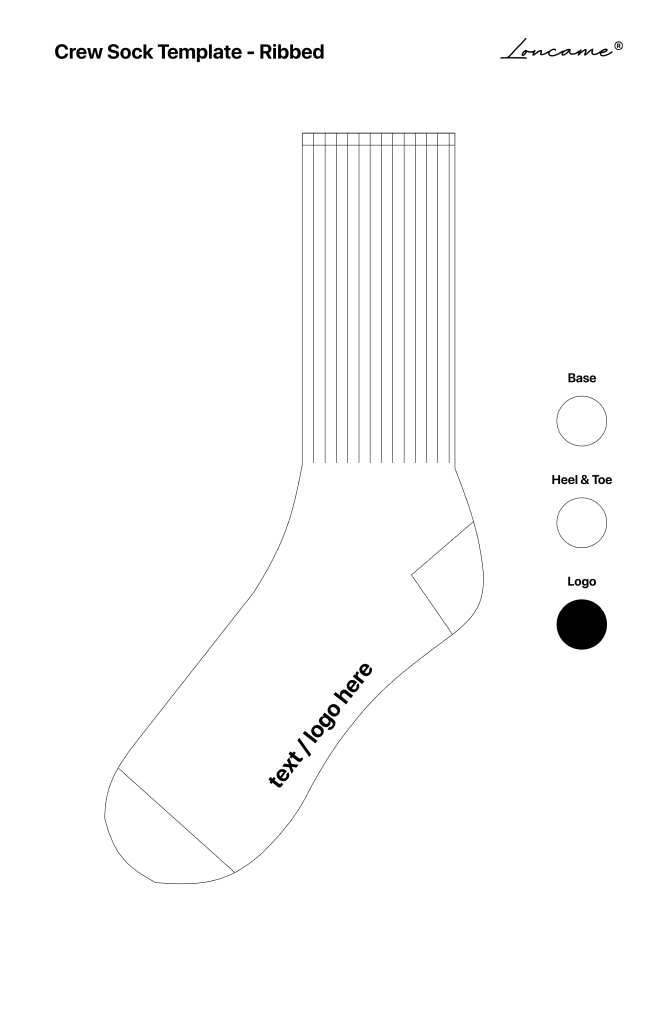
As we close, I pause to plan a short extension: teachers can reuse the printable sock template for seasonal decorations, literacy prompts, or math games, keeping the routine familiar while expanding the challenge. A well-designed template supports classroom management by providing a clear starting point and a visible product. With thoughtful sequencing, students leave with both a sense of artistry and a practical understanding of how templates help organize ideas.