
This article explores free printable family tree forms as practical tools for families and classrooms, offering dependable templates that help generations connect, record essential details, and tell the story of lineage with clarity and care
free printable family tree forms come in several layouts, including simple one-page charts, multi-generation trees, and fill-in-the-blank worksheets that encourage careful interviewing of relatives. Each format focuses on core data: names, birth years, places, and known relationships. When selecting a form for a classroom or family project, consider the age of participants, the level of detail you want to capture, and how visually clear the template is on a standard printer. Some templates reserve space for sources and notes, which helps learners practice citation habits and teachers track provenance. Templates with consistent grids help readers scan data quickly, while blank spaces for dates encourage precise recollection rather than guesswork.
Choosing the right form also means thinking about usability. For younger learners or nonnative speakers, a simple tree with large boxes and generous margins reduces frustration. For older students or more serious genealogists, you may prefer a multi-generation layout that includes separate sections for dates, places, and sources. Look for templates with clear headings for generations, and consider using color or shading to distinguish branches. A well designed form reduces cognitive load during data entry and analysis. Choose formats that support future updates, so families can add new generations over time. A modular approach lets classrooms reuse the same template across projects.
Choosing the Right Form
To use these forms effectively, start with a small, attainable goal: map your grandparents and a great-grandparent or two. Then interview relatives, recording names, hometowns, and remembered dates. As data grows, you can transfer information to a larger chart or create a family booklet that accompanies your tree. Prepare a short interview guide, schedule conversations, and review details for consistency before finalizing the printout. This planning step helps ensure that the final printout is coherent and complete.
Printing tips
Think about accessibility and legibility when printing. Use high-contrast text and a clean typeface, and print with margin guides so the boxes fit on standard paper. If your printer cannot handle archival inks, a grayscale printout often remains clear and practical for classroom display. For students with dyslexia or visual processing differences, consider larger font sizes and generous line spacing to keep entries readable.
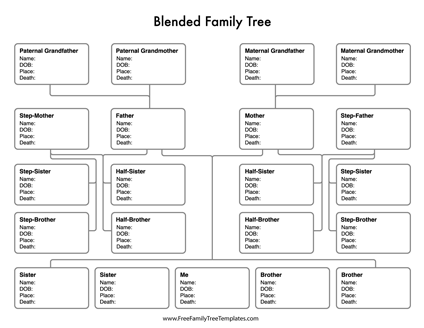
In a classroom setting, these forms support core literacy and social studies objectives. Students practice summarizing information, citing spoken sources, and organizing data logically. The result is a tangible record that families can revisit, add to, and share with relatives who may be far away. Teachers can integrate this activity with language arts, research skills, and data visualization, turning a quiet genealogical exercise into a collaborative project.
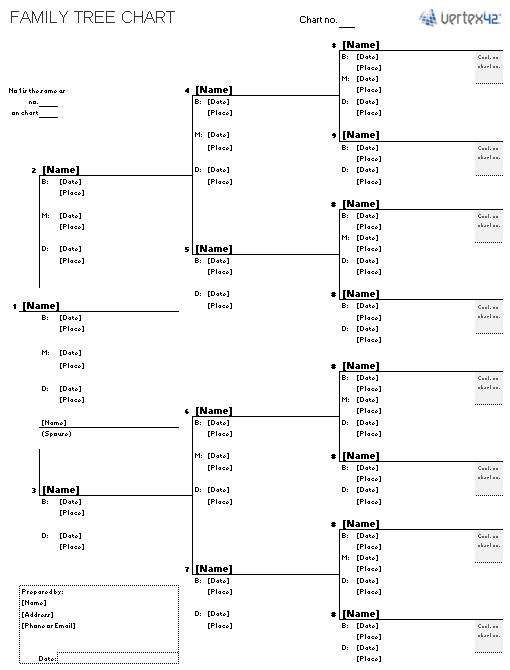
Respect for privacy is important, especially when children are involved. Consider using first names only or requesting permission before sharing personal details beyond immediate family. You can preserve the integrity of the project by dating entries and keeping a simple, printed backup copy. Educators and family members might store a copy in a family portfolio for later reference.
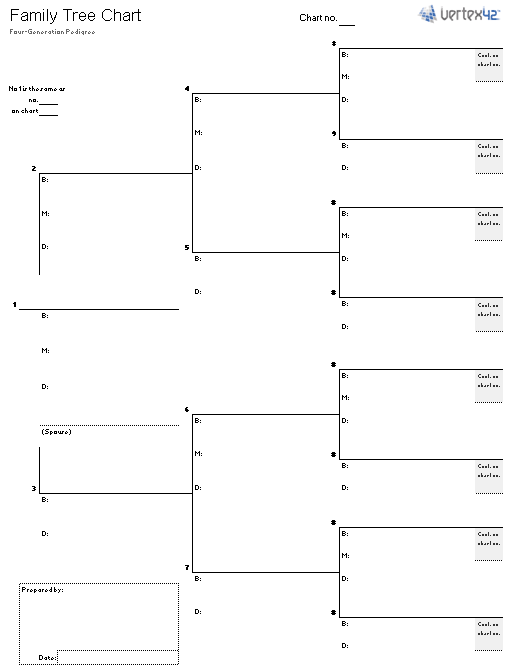
With thoughtful use, free printable family tree forms can become a quiet backbone of lifelong learning in homes and classrooms. They invite conversation, curiosity, and care for family history, while providing a practical framework for organizing memories. Explore the kinds of templates described here and adapt them to your family's story, adding branches as relatives share memories and photos. Use these forms as a living resource that grows with your family.