
Using simple signs and clear phrases, this guide helps you practice easy communication in asl in daily moments like at home, in the store, or with friends. The pages are designed as a practical, printable tool you can carry or pin up for quick reference.
In ASL, meaning comes from more than signs alone. When you focus on easy communication in asl, you rely on facial expressions, timing, and context, so keep sentences short and direct. Use natural pacing, pause to check understanding, and repeat if needed. Start with greetings and simple questions, then move to common needs like help or directions. This approach works well for beginners and helps reduce frustration in busy environments. The printable format supports steady practice at home or in class.
Key signs
Start with a small set of core signs you can use daily, like hello, please, thank you, and can you help me. A printable chart or flashcards makes practice easy; you can cut them out, laminate, and use them in role play. Pair signs with simple phrases and take turns asking and answering questions to build confidence. Practice in real moments, not just in theory; sign first, then speak or nod to show you’re listening. Create short dialogues for common situations, like riding in a car, ordering at a cafe, or asking for directions. As you become more comfortable, add two or three new signs each week and review older ones in quick recap sessions. Keep a calm voice and a relaxed pace; the goal is clarity, not speed. If you practice with a friend, switch roles so you can sign and listen from both sides.

For real-life use, add practical steps: label objects around the house with their signs, practice grocery-store phrases, and pause to give time for responses. Keep sentences short and pause for facial cues. Remember to check for mutual understanding by repeating or rephrasing. Keep a small notebook or a page on the printable sheet to jot what worked or what felt confusing. Revisit it weekly and adjust your sign list. The goal is clear, respectful communication, not perfect signing. Patience and practice turn a few signs into a quick, confident exchange.
Practice tips
If you’re printable-savvy, create a small daily worksheet: a sign of the day, a quick exchange, and a space to note what worked. Use a calendar or planner page to schedule regular practice, even five minutes a day. Consistency beats intensity, especially when learning a new visual language. Include a space to record a misunderstood moment and how you fixed it. Share the sheet with a partner to keep you accountable. Over time you’ll build a tiny library of phrases that fit many everyday situations and you’ll notice better flow in conversations.
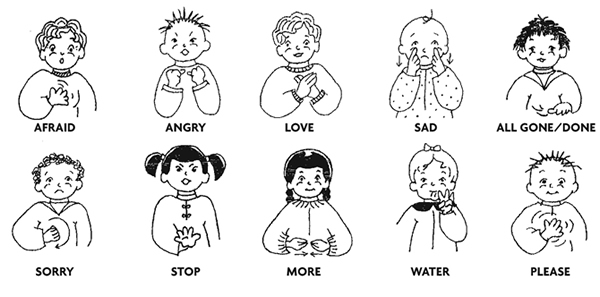
Remember accessibility when you print and share these sheets. Use high-contrast colors, large letters, and clear diagrams so signs are easy to study. Add captions or short audio notes if you’re sharing digitally. Encourage questions, pause between exchanges, and check understanding by asking the other person to show you back what they learned. A calm pace helps both sides stay engaged. Keep the layout simple and provide space for learners to practice without feeling crowded.
This approach is about patience and practice. With a small, steady routine, easy communication in asl becomes natural over time. Use the printable tool as a starting point and build from there. Celebrate small wins, like signing hello clearly or getting a request understood without repetition. As skills grow, you can add more signs and longer exchanges, always returning to the basics that keep communication clear.