
Coloring a page is just the beginning. Printable bookmarks for coloring invite kids to observe details, connect ideas, and explore the world around them while they color and carry a moment of curiosity into daily life, turning a simple activity into a spark for learning and conversation.
What the Picture Represents

Color → Observe → Connect → Explore → Explain shows a simple path from coloring to thinking. When children color a printable bookmark, adults guide them to observe what stands out in the image. Ask them to describe shapes, lines, and small details and to notice how color choices change the mood or message. After coloring, invite kids to connect the image to something in their life such as a season, a favorite animal, or a place they have visited. Making these connections helps the picture move from a page to a personal story. Finally, encourage exploration by asking where else similar patterns appear in nature or in everyday objects. The aim is to shift the quiet act of coloring into a conversation about meaning, context, and curiosity. Clear prompts and a flexible pace prevent the page from feeling like a task and turn color into a bridge to observation and understanding. This approach also supports different learning styles, offering visuals, language, and hands on engagement within a single activity.
Find It in the Real World
After coloring, point out that the scenes on printable bookmarks for coloring resemble places, creatures, and objects they encounter in nature, parks, museums, or at home. For example a bookmark with a forest scene can lead to a walk to the park to observe real trees, leaves, and birds. A sea creature motif can prompt a trip to the aquarium or a book about marine life. Even everyday objects like a toolbox, a kitchen shelf, or a bus stop can echo patterns on the page. Encourage children to describe a real world example that connects to the bookmark and to notice how color, texture, and shape appear in both the page and the real world. Practice helps children build vocabulary and mental models, turning a coloring activity into a mini field trip without leaving the classroom or kitchen table. The real world is full of small details that mirror what they colored, and naming these details makes the process memorable and meaningful.
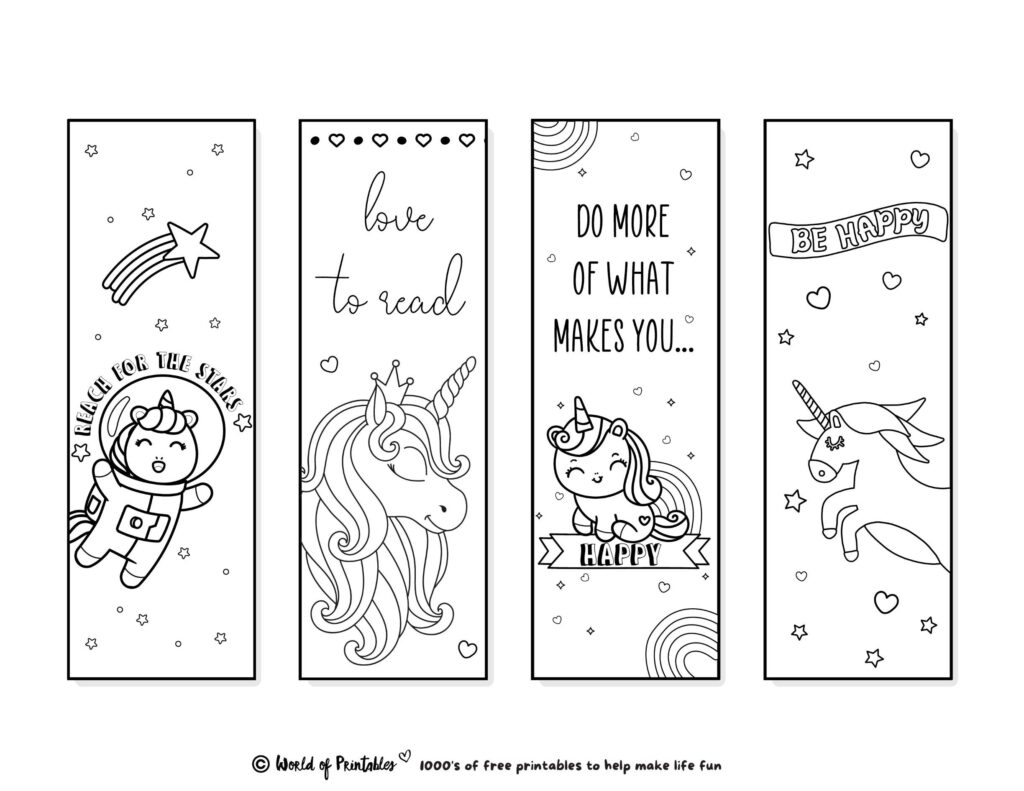
Next it is time to ask better questions that fuel curiosity rather than simply finishing the page. Open ended prompts invite observation and reasoning. Instead of asking did you color this, try questions like what shapes do you see and why did you choose those colors. How would the scene look if you added one more element. Which part reminds you of a place you know and what would you add to connect them. Encourage children to justify their ideas with evidence from the image and from their own experiences. The same bookmark can support a short discussion that stretches attention and language. As teachers or parents listen, they model careful thinking rather than quick answers. The questions should be adaptive; if a child struggles, suggest a more concrete path such as naming two colors and describing their effect; if a child thrives, invite speculation about color symbolism or pattern repetition. This approach keeps coloring collaborative, not solitary, and helps kids practice description, comparison, and storytelling as part of the Color Observe Connect Explore Explain cycle.
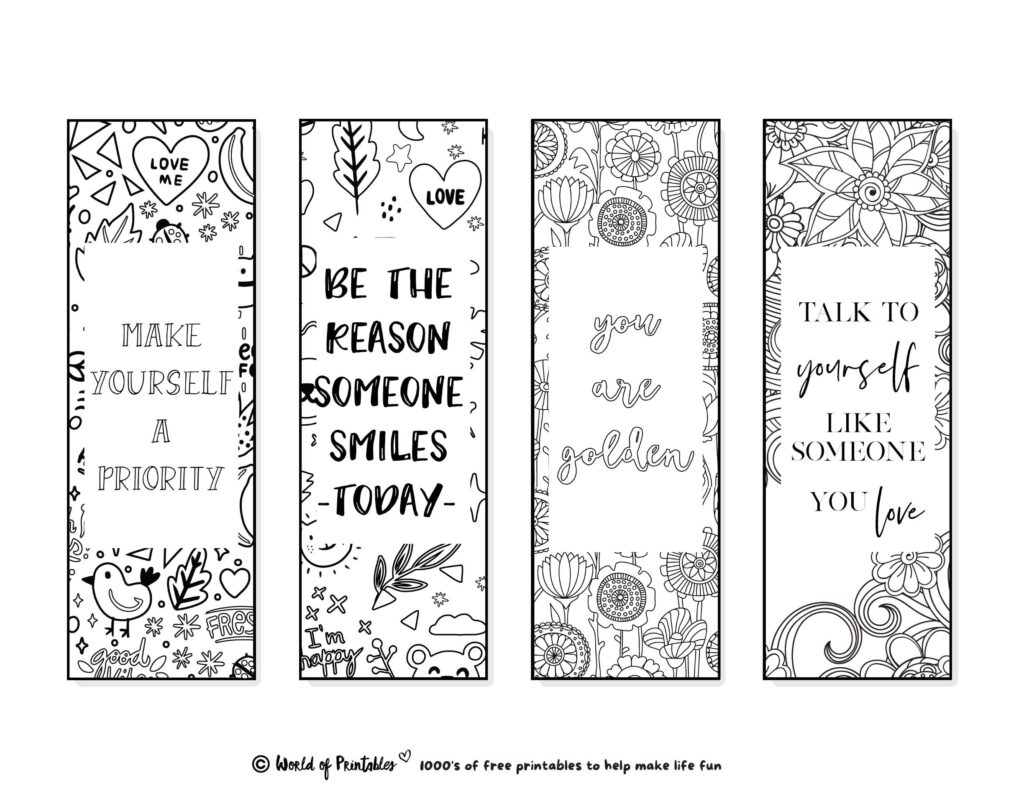
Extend the activity by adding a book or a short research task that ties to the bookmark theme. For example after coloring a forest bookmark, read a short picture book about trees or take a quick leaf walk and collect samples for discussion. A science picture book can introduce vocabulary such as canopy, ecosystem, or habitat. A tiny research moment can be to look up one fact about the animal or plant on the bookmark, or to check a local park website to find a matching feature. The bookmark becomes a launching pad for inquiry rather than a finished artifact. For older children, assign a tiny project such as writing one paragraph about how a pattern on the page appears in the real world or making a simple diagram of a scene. With printable bookmarks for coloring as the starting point, you can weave literacy and science or social studies into a cohesive activity that feels playful yet purposeful.
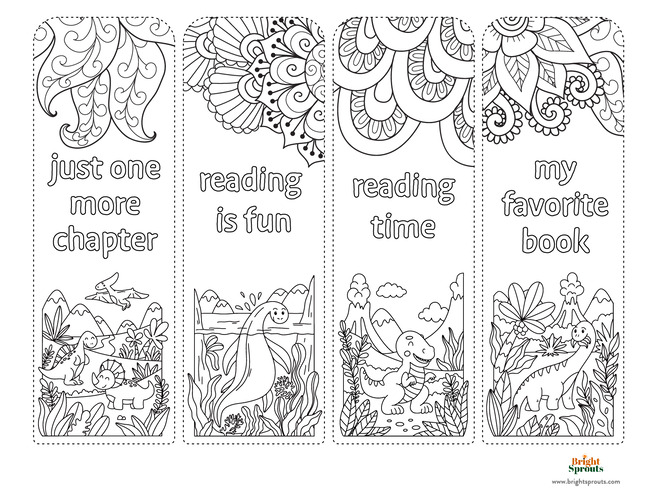
Turn the subject into a hands on activity by moving from color to creation. In a practical 30 minute plan, begin with a short discussion of the bookmark theme, then allow a five to seven minute coloring segment, followed by a six to eight minute observation and connection chat, then a six to eight minute extension such as a simple craft or a quick research task. The plan can be adjusted for home or classroom settings. For home variations, parents can pair the bookmark activity with a family walk to notice seasonal changes and take photos to compare with the page. A family book night can include a bookmark related story and a short talk about what was learned. For classroom variations, teachers can use a small group rotation system where each group completes a bookmark and then shares a finding with the class. If time is limited, the activity can be split across two days, with the first day coloring and describing, and the second day adding a small extension such as a drawing or a mini poster. The strongest coloring activities come from connecting the page to real world ideas, and printable bookmarks for coloring are a versatile tool to do just that while keeping learning playful and memorable. Conclusion is a natural next step, inviting children to reflect on what they noticed, what they asked, and how this tiny page grows into a larger understanding.