
The eat the rainbow coloring page is more than a pretty picture; it’s a doorway to science, nutrition, and creative thinking. As children color, families and classrooms can expand the activity by observing, connecting, exploring, and explaining—turning a page into a mini learning journey.
Beyond the Page
What Does the Picture Represent?
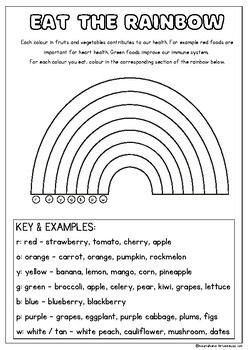
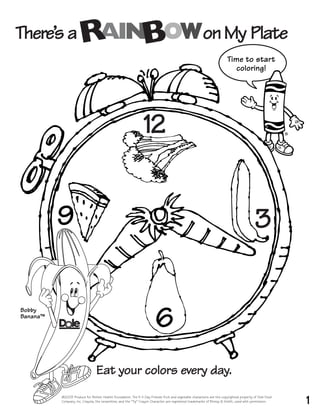
The eat the rainbow coloring page usually shows a collection of foods arranged in a spectrum, from red strawberries to purple grapes, often surrounding a central bowl or plate. The subject is less about a single item and more about a message: healthy eating through color. This image invites children to name colors, recognize foods, and begin to understand how nutrition fits into daily life. The Color → Observe → Connect → Explore → Explain framework helps turn this single image into a connected lesson: Color by choosing hues, Observe by noticing shapes and textures, Connect by linking colors to food groups, Explore with a related activity, and Explain by sharing what was learned.
Observe the Details
Find It in the Real World
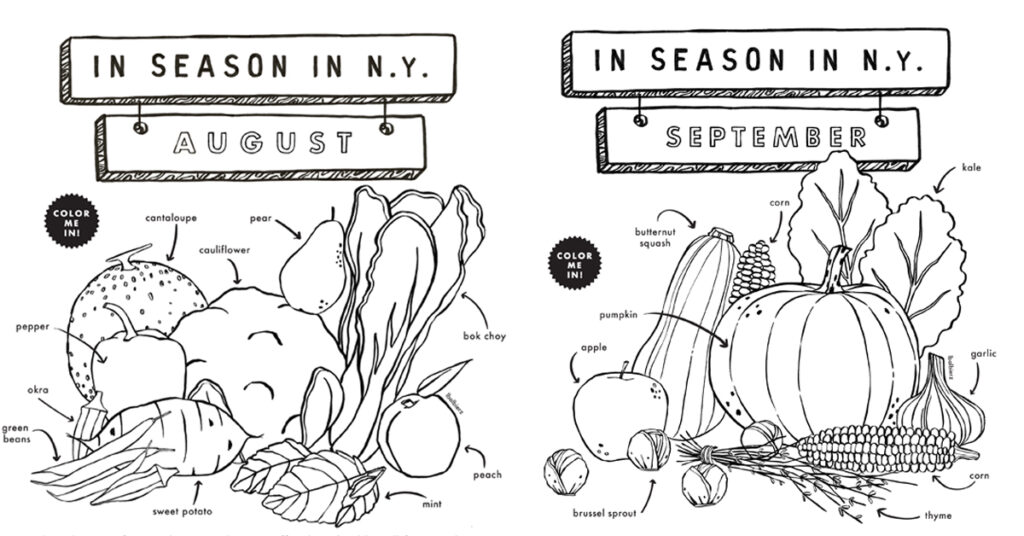
In nature and everyday life, colors carry information that kids can link to taste, season, and health. Ripe fruit and fresh vegetables display a rainbow of shades: red strawberries, orange carrots, yellow corn, green spinach, blue blueberries, and purple grapes. Seasonal cues—pumpkins in autumn, leafy greens in spring, berries in summer—provide concrete anchors for color stories. Use the coloring page as a map: have children point to real items that match each shade, then discuss why those colors appear in particular foods. Ask Better Questions
What do you notice about each color and the food connected to it? How would the scene change if we included foods from other cultures? Which color is most common in our pantry and why? What vitamins or minerals are associated with each color? Encourage reasoning rather than right answers, and invite children to justify their ideas with evidence from their experiences at home, on the playground, or in the garden.
Turn the Subject Into a Hands-On Activity
Turn color into action: create a rainbow snack, sort real fruits and vegetables by color, or build a simple color wheel with edible pigments. You can also extend the page with a quick kitchen science moment—mix food-safe color in water to see color blending, or compare the color of a tomato to a berry and discuss why they look different. Then move to Ask the Child to Explain What They Learned
Ask the Child to Explain What They Learned
Encourage the child to articulate associations between colors, foods, and health. Have them describe one color they chose, why it matters, and what new fact they discovered. Explaining cements learning and helps adults gauge understanding, while also building vocabulary and confidence. Create Something New
Create Something New
Invite the child to extend the idea: sketch a market scene with rainbow foods, write a short caption for each color, or assemble a mini collage of cut-out food pictures from magazines.
A Complete 30-Minute Activity Plan
A practical sequence for a 30-minute block: 0–5 minutes introduce the page and name colors; 5–10 minutes color the page, with prompts to describe choices; 10–15 minutes do a quick real-world tie-in with a tray of colorful foods; 15–25 minutes the hands-on activity such as making a rainbow snack or sorting foods by color; 25–30 minutes reflect: have the child explain what they learned and how it can apply to meals. Home and Classroom Variations
At home, adapt the plan by using real groceries, a kitchen, or a garden; at school, pair the page with a literacy moment, a small science mini-lesson, or a math tie-in (count or graph items by color).
Conclusion
The strongest coloring activities connect the picture to something beyond the paper. Eat the rainbow coloring page is a starting point; when adults guide observation, connection, exploration, and explanation, a simple coloring page becomes a living inquiry. By moving from Color to Observe to Connect to Explore to Explain, children build a framework they can carry into meals, field trips, and science lessons.