
This article guides designers and educators toward a thoughtful 1st grade double digit addition printable that blends clarity and structure, creating a resource inviting for young learners and easy to navigate for teachers and parents alike, at home or in the classroom.
Visual design notes
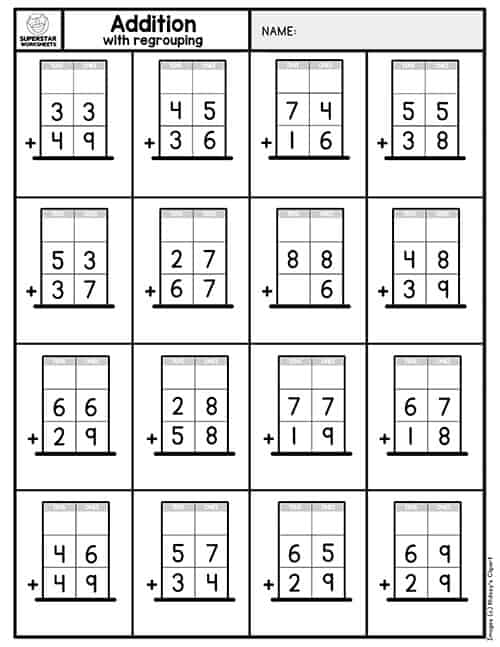
Good visual organization helps young readers move through math problems with confidence. For a 1st grade double digit addition printable, consistent column alignment, distinct tens and ones sections, and a clear system of cues guide the eye from problem to solution. Clear instructions, supportive icons, and ample white space reduce cognitive load and keep focus on the process rather than the layout. A well-structured page minimizes confusion during carry operations by preserving a predictable rhythm: first add the ones, then the tens, and finally check the regrouping step. By using a single, consistent cue for carries—such as a subtle underline or a caret—students can track steps without becoming overwhelmed. Additionally, breathing room around each problem allows quick scanning, while a light grid subtly anchors numbers in fixed positions. This approach turns a printable into a guided practice that feels like a short lesson, not a random worksheet.
Layout ideas
Layout ideas that respect visual clarity make consistent practice possible. Use a clear title area, followed by a single-column problem stack so students read from top to bottom without reorienting themselves. Keep the tens and ones columns wide enough for digits and manipulatives, and place a dotted baseline to guide writing. A simple, repeatable structure—problem, visual aid, space for student work, and a tiny check area—helps learners build a routine they can transfer to future lessons. When the printable is used in group settings, you can pre-clip cards containing problem prompts to encourage collaboration while still preserving the layout's integrity.
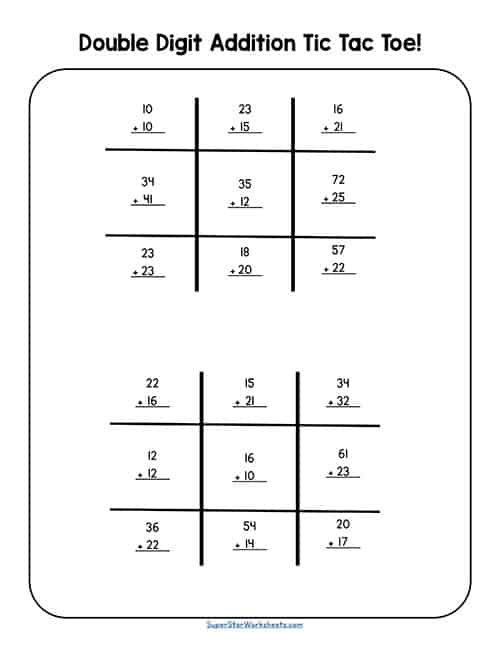
Practical activities breathe life into the printable. Students can pair up, solving a column addition and then swapping papers to explain their reasoning. Laminate the sheet for reuse with dry-erase markers, and add simple counters like blocks or beads for hands-on support. A companion matching card set—one card with a problem, another with the correct answer—reinforces self-checking and pace. You can create a small printable board game where players move along spaces by solving each problem accurately, reinforcing procedure steps while keeping the activity social. The emphasis remains on visual flow: problems lead to solutions, guided by clearly placed cues that masters of early math can model together with a teacher or parent.
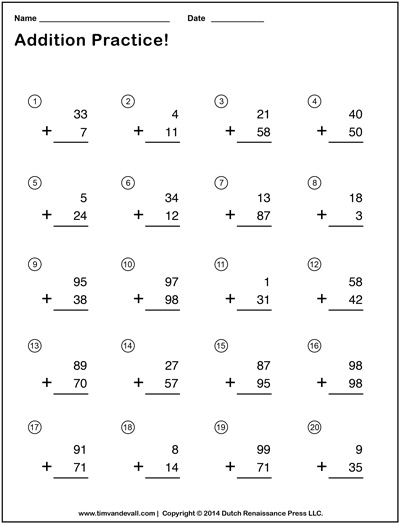
Accessible design matters for every learner. Use a legible typeface with comfortable letter shapes, generous line height, and left-aligned text to minimize eye strain. Keep the number of problems manageable to avoid overload, and provide an optional at-a-glance answer key so students can self-assess after attempting each item. For students who benefit from extra support, offer a low-distraction version with larger print and simplified prompts. A printable like this should feel calm and purposeful, inviting practice without fear. On the teaching side, pairing this resource with quick, visual demonstrations helps reinforce the carry and regrouping rules.
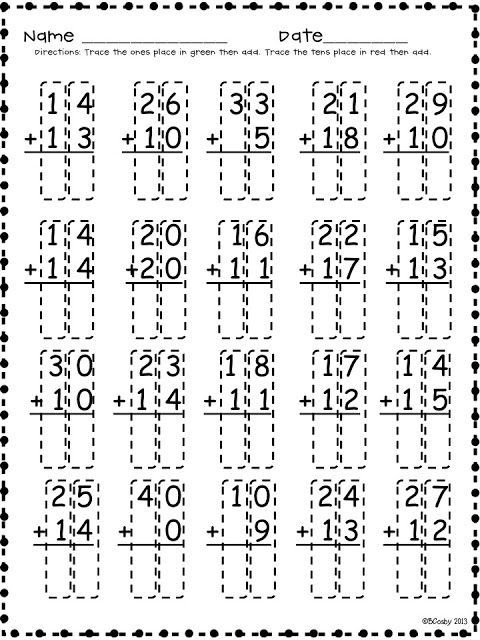
To get the most from a 1st grade double digit addition printable, print a dedicated set for classroom centers or home practice, then laminate and reuse. Pair it with small-group instruction or independent work, and track progress with a simple checklist you attach nearby. When students see a consistent pattern across tasks, confidence grows and mistakes become clues for targeted teaching. This resource is designed to be adaptable: you can copy problems, adjust the number ranges, or create a regular weekly routine that includes one few-minute drill followed by longer problem-solving with a partner. With thoughtful visual design, students learn to add with accuracy and independence.