
nature scavenger hunt printable turns a walk into a learning adventure. As a parent educator, I use these simple sheets to guide curiosity, prompt observation, and keep the pace gentle. They are perfect for backyard explorations or park visits after homework.
These printables work because they offer structure without stifling curiosity. I encourage kids to note color, texture, and scent as they search for items like leaves, acorns, or smooth stones. You can tailor the list to your environment, swap in seasonal clues, or add a quick photo journal. When children check off items, they practice focus, observation, and descriptive language. For families new to outdoor learning, start with a short loop around the yard and gradually extend the route as interest grows. The goal is to keep it light, collaborative, and celebratory, so older siblings can help younger ones and everyone finishes with pride.
Set-Up and Pace
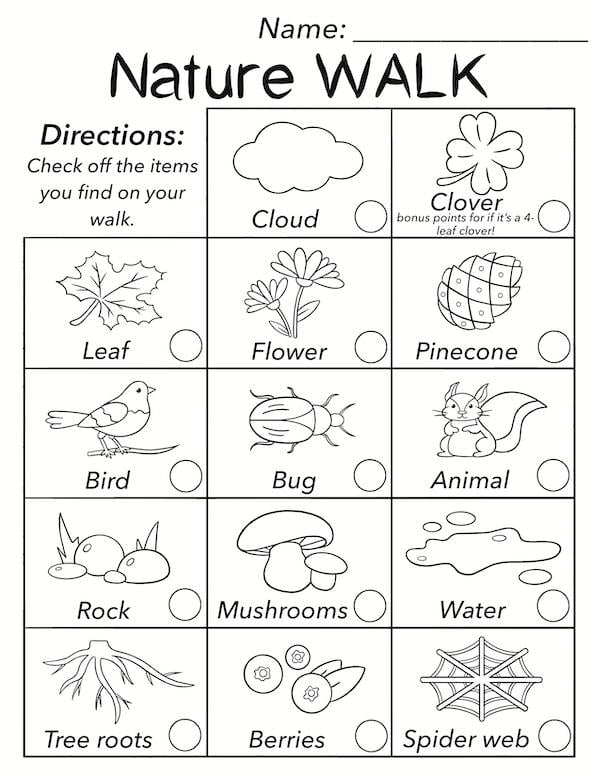
Start by choosing a printable that fits your child’s age and curiosity. Younger kids benefit from larger pictures and clear icons, while older ones enjoy checkboxes and space to draw or write. I often pair a printable with a small notebook for quick sketches or sentences. If time is tight, set a timer and challenge your learner to find items before it rings, then share a brief description. Print in color to highlight categories like plants, rocks, or wildlife, or print in black and white to save ink and invite color naming during observation. The aim is steady engagement, not perfection, so celebrate effort and finish with a short reflection.
Make safety and respect a habit. Talk about not touching wildlife, staying on trails, and leaving samples as found. The printable can become a game board, listening activity, or storytelling prompt. For younger kids, try a simple bingo grid: color, shape, texture, or scent. For older children, add a sketch or a one-sentence memory. If weather changes, adapt the printable indoors with a nature bag containing samples, a magnifier, and a scent jar. Consistency matters more than speed; even a short, meaningful outdoor moment each week builds knowledge and confidence. I’ve seen reluctant learners light up when a well-designed printable frames discovery.
Flexible Uses
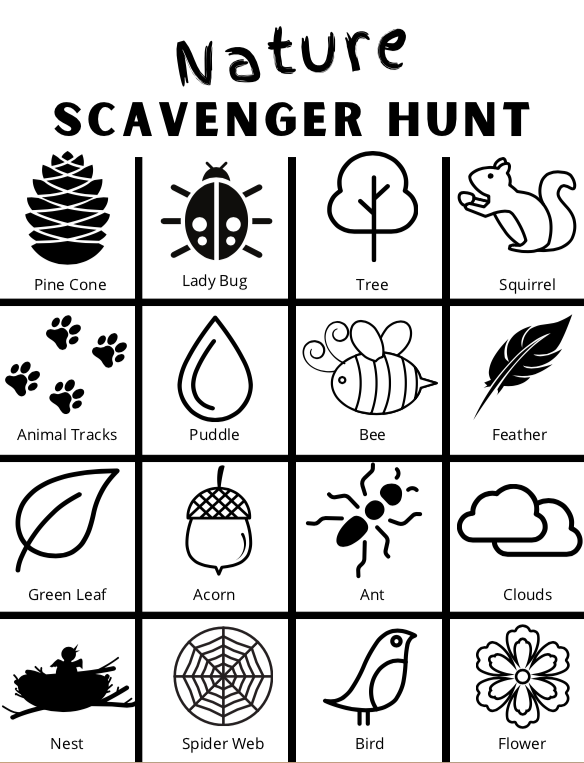
Turn learning into a rhythm by scheduling a weekly nature scavenger hunt printable session. Keep a simple routine: prep the printable, choose a nearby location, and bring a pencil or camera. After the hunt, spend a few minutes comparing discoveries and noting questions for a future lesson. This approach supports curiosity, memory, and cross-curricular connections—from science vocabulary to writing prompts about textures and habitats. If you have a garden or balcony, tailor the printable to what’s growing and changing with the season. Returning to the same printable over several weeks helps kids notice patterns, seasonality, and ecological relationships they might miss on a one-off outing.
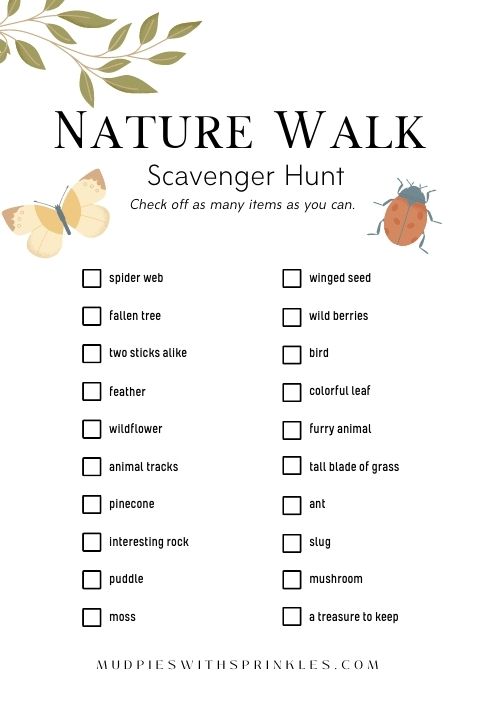
To maximize impact, involve everyone in setup and wrap-up. Older siblings can lead the activity by narrating findings, while younger ones fill in pictures or stickers. Keep the printables in a simple binder so they’re easy to pull out. Laminating the sheets and using dry-erase markers works well for repeated use, especially for seasonal topics, or print multiple copies to rotate teams. If you’re integrating with other subjects, tally colors or counts to practice math and observation. The key is regular, relaxed practice that honors each child’s pace and uses the printable as a bridge between play and deeper learning.
With a nature scavenger hunt printable, curiosity leads the way rather than a strict checklist. Focus on warm, encouraging feedback and let discoveries guide the next adventure, whether at a park, trail, or balcony garden. Printables are tools to support independent thinking and shared moments, not rigid judgments. If interest wanes, switch themes, pause for a snack, or pair up for a short co-exploration. Over time you’ll notice bolder questions and sharper observations, and the printable will feel less like homework and more like a doorway to everyday wonder.