
flashcards for sight words printables offer a flexible, student-friendly way to practice essential words. This article explains practical setups, simple customization ideas, and how to use these printables at home or in the classroom to reinforce word recognition.
Sight words are high-frequency words that readers should recognize on sight, without decoding. Using printables keeps practice short and inviting, which matters for younger learners with short attention spans. When these cards are well designed, they become a quick warm-up, a center activity, or a guiding tool for brief assessments. Regular use in short bursts builds fluency over weeks rather than months. Offering options for auditory, visual, and kinesthetic learners helps ensure accessibility.
Design considerations matter because readability supports fluency. Choose a clear sans-serif font at a comfortable size, with high-contrast colors and ample white space. Laminated cards or sturdy stock extend life in busy classrooms, and simple backs with word meanings or pictures can support context clues without clutter. Color-coded groups and consistent layouts help returning learners locate the same words quickly.
Design ideas
Keep the word list concise and organized, grouping by phonics or theme so learners can build connections quickly. Add a small icon or color cue to each card to aid memory without overwhelming the page. Vary layout, with rows, columns, or pocket folders, to maintain interest, and consider one or two tracing lines for early writers. Tailor sets to individual needs, separating words that kids are close to mastering from those that require more practice. If possible, include a few blank cards for students to write familiar words.
Practice routines
Turn the printable set into short daily activities rather than long sessions. Use partner games, quick matching, or a self-check station where students sort mastered words from new ones. Provide a clear progression, moving from recognition drills to simple sentence building as confidence grows. Rotate centers weekly to keep motivation high and to cover different word families. Use a timer to keep sessions brief and focused.
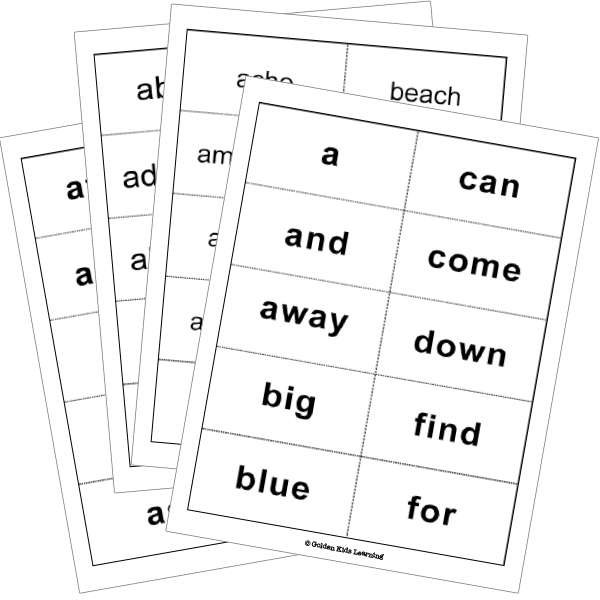
When students physically handle cards, memory pathways strengthen as they connect spoken language with written forms. Start with a small, manageable pile and gradually add new words as mastery appears. Track progress with a simple color-coded system so students can see how their card set expands over time. Encourage self-check routines where learners verify two words they know before moving on.
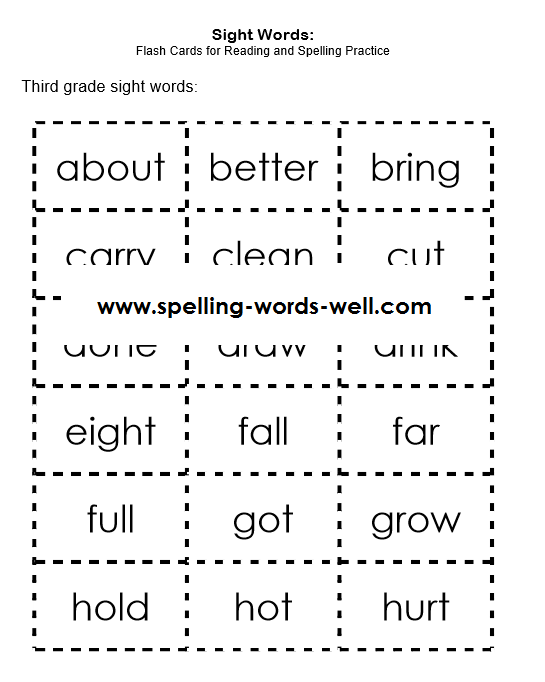
In practice, these resources thrive in flexible centers or guided instruction. A five-minute routine each day can yield steady gains, especially when you rotate the word sets weekly to cover different vocab. Encourage families to participate by sharing a lightweight home version and celebrating small milestones. Documenting small wins helps students stay engaged.
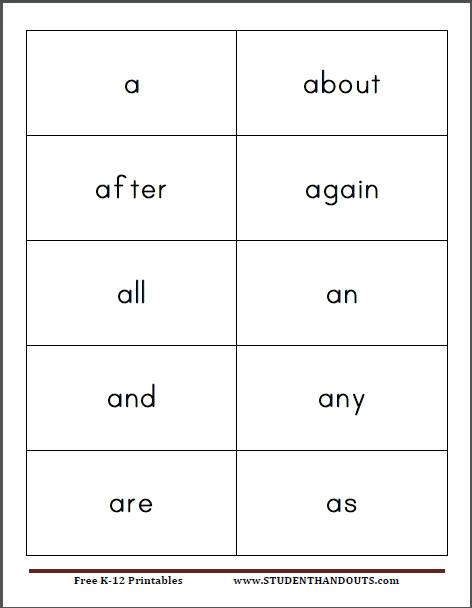
Ultimately, flashcards for sight words printables offer a practical, scalable approach to building early literacy skills. They align with varied paces and support teachers while inviting parents into the learning process. With thoughtful design and routine, these printables become a dependable backbone for word recognition and reading confidence. Used consistently, they can anchor a larger literacy routine that benefits learners across ages.