
Starting with printable music note flashcards is a hands-on way to blend rhythm and literacy. These simple cards invite kids to identify notes, clap rhythms, and follow stem directions while building a tactile, creative learning space that fits quick practice sessions.
With a DIY mindset, you can tailor printable music note flashcards to any level. Print a base set, then add color-coded backs to distinguish treble and bass and to cue different rhythms. Using sturdy cardstock and a light laminate helps the cards last through weekly practice, classroom rotation, or family games. After cutting, you can store them in labeled envelopes or a small binder. The goal is quick setup, repeatable routines, and the joy of learning by doing with a dependable, reusable resource.
Getting started
Begin by choosing a simple layout: one note per card, a clear staff line, and a bold note head for easy recognition. Print on cardstock, cut carefully, and laminate if you have a laminator. A corner punch and a few ring dividers make flipping easy, while color-tinted backs help learners quickly sort notes by staff position or duration. Keep a small scorecard nearby to track progress, and adjust card color schemes as you scale the activity from individual practice to small-group games. This approach keeps setup minimal and playtime focused.
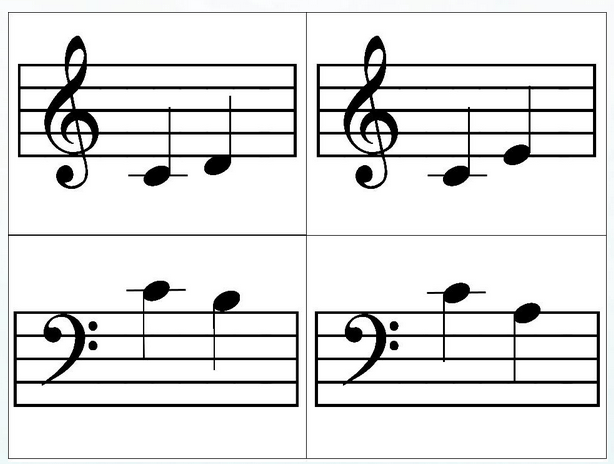
Use these printable music note flashcards in a handful of activities to reinforce recognition and memory. Try a fast-paced memory match where players pair note heads with their positions on the staff, or a rhythm bingo game that calls out claps and students pick the matching card. You can also run a “note hunt” around the room, encouraging kids to locate cards corresponding to a written melody. For quieter moments, learners can sequence cards to create simple rhythms, then clap or tap along to internal tempo.
Playful activities
To adapt for home or classroom use, keep cards visible at eye level and rotate sets to hold interest. Consider a progressive series: beginner cards focus on a single note, then two-note patterns, then longer sequences. Offer small rewards for accuracy, and invite kids to color-code notes themselves with crayons or stickers. If a student needs extra support, pair them with a buddy and let the stronger reader model correct placement. The key is steady repetition, comfortable pace, and lots of encouragement.
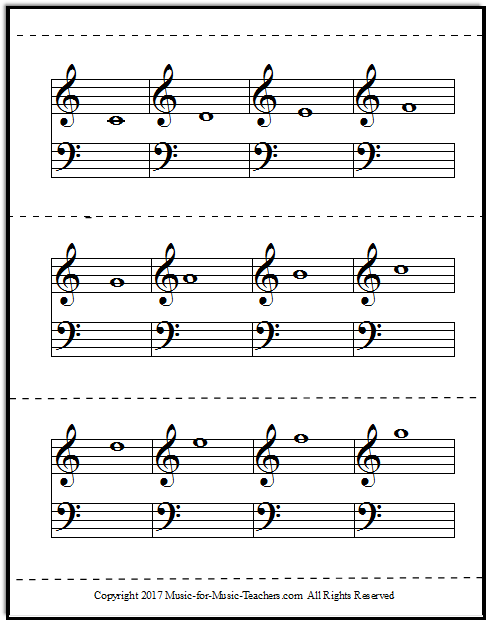
As you refine your printable music note flashcards, think about legibility and rehearsal-friendly formats. Use large note heads, clear staff lines, and generous spacing so learners can focus on one concept at a time. Keep the progression logical: names and positions first, then durations and rests. You can add simple cues for tempo or dynamics on the back for dual-purpose practice, while keeping the fronts clean and uncluttered. This adaptability makes the resource useful for a wide range of ages and settings.
Finally, store and reuse your cards with care. A shallow box or a drawer organizer keeps sets accessible for daily practice, while a simple labeling system helps you track which cards have been mastered. If you want to extend the activity, create a blank set to let learners design their own notes or rhythms, turning familiar material into a hands-on project they can customize and share with peers.