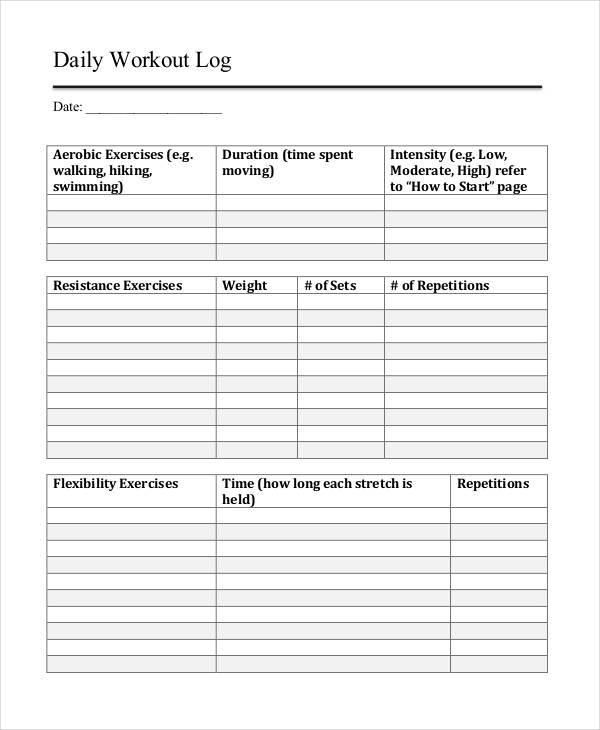
As a classroom resource creator, I design activities that travel from the gym to the desk. A free workout log printable fits neatly into PE and health centers, helping students track effort, set reachable goals, and reflect on progress with easy-to-use templates.
A well-designed printable keeps students engaged without overwhelming them. In my classrooms, I pair the log with a simple rubric: date, activity, duration, intensity, and notes. Students fill in sections during warmups, fitness stations, or after-school practice. The format supports differentiation: advanced learners can add sets and weights, while beginners track only time and activity. For home practice, a weekend section invites families to participate, turning fitness into a shared habit.
Why a printable works
To make the printable truly classroom-ready, I keep the layout clean and consistent. Labels are bold and readable, with plenty of white space for quick notes. I encourage a color-coding system by activity type, so students can scan the page and locate running, biking, or strength moves quickly. Laminating the page or storing it in a binder lets students reuse it, while teachers can offer a four-week rotation to practice different activities. A short, private space on the page gives students room to reflect on effort and mood, which supports social-emotional learning alongside fitness. When students see recognizable structure, they spend less time staring at a blank page and more time engaging with data about their own effort.
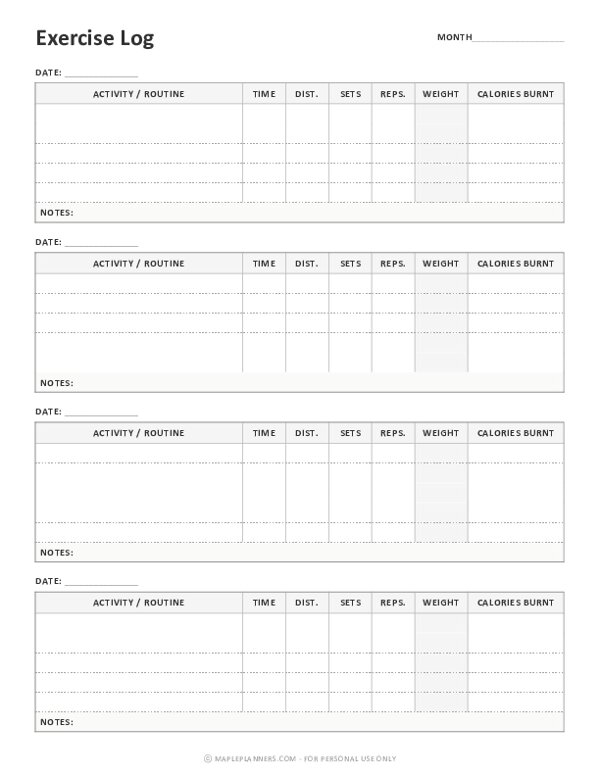
Organization matters as much as content. I recommend setting up a consistent routine: a daily 5-minute warmup, a 15-minute activity block, and a 5-minute reflection. Keep all logs in a labeled folder or binder by class period, and provide a quick check-in at the start of each term to migrate old entries into a master sheet. For accessibility, offer larger print or high-contrast versions and leave margins for students who like to doodle or annotate. When teachers model using the log themselves—checking dates, comparing week-to-week totals, and noting trends—students see the purpose and feel ownership. The printable acts as a map: it guides practice, tracks effort, and creates tangible evidence of steady work.
Adaptation ideas
Adaptation ideas: The log can be adapted to different settings without losing its clarity. In station-based PE, students rotate through four activities and record their choices, durations, and perceived exertion. For remote or hybrid learning, provide a printed copy or a scanned page and ask students to shade in boxes as they complete the activity at home. For students who need extra support, offer a one-page guided prompt sheet with examples of how to describe intensity or pace. In inclusive classrooms, pair students for peer feedback or assign a buddy to help with spelling and data entry. The goal is to keep the process straightforward so every learner can participate with confidence.
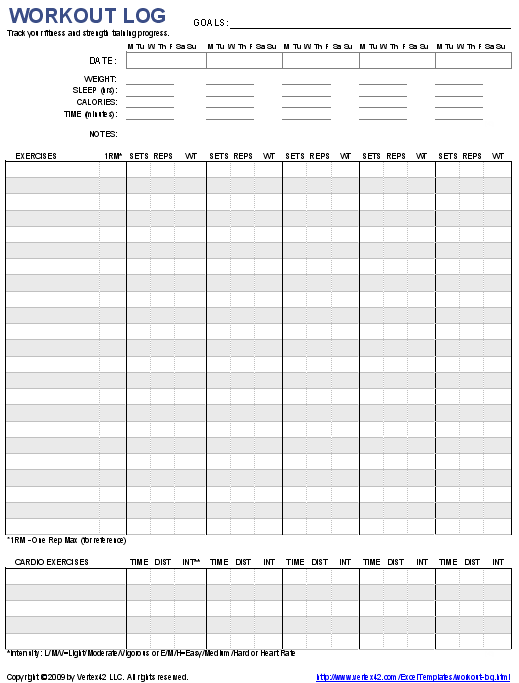
Even a simple log builds early data literacy. With weekly totals, students notice patterns—more minutes on cardio days, longer sessions on weekends, or higher perceived effort on certain activities. I guide students through a quick mini-lesson where they compare two weeks and discuss what changed and why. The discussion stays focused on personal growth rather than competition, helping everyone stay motivated. When the class evolves its own templates, you empower learners to own their choices and adapt strategies that work for them.
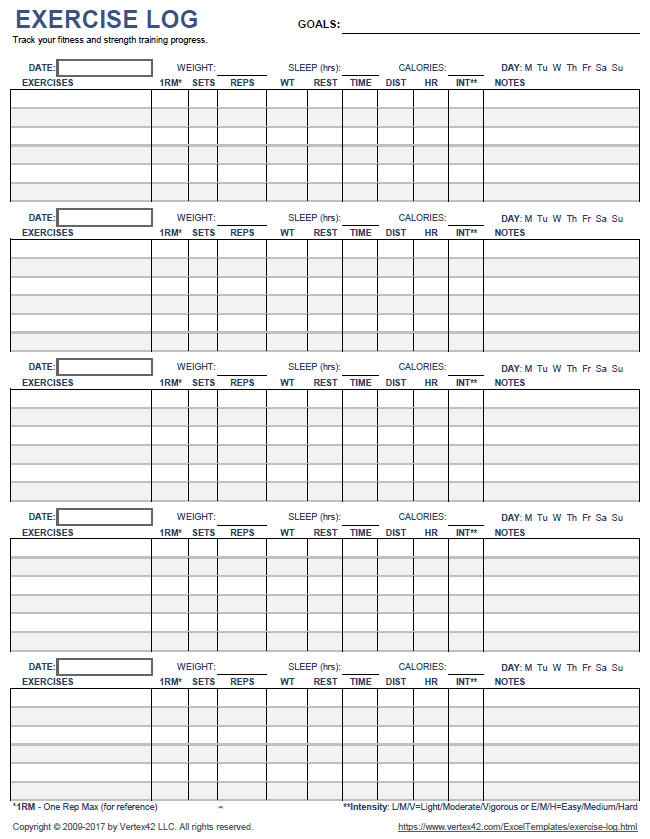
Getting started with a free workout log printable is a small step that yields big classroom benefits. Print a few copies for back-to-school bootcamps, then laminate and rotate through units. Invite students to co-create prompts or favorite activities, turning the log into a living document that reflects your program. Pair the printable with quick check-ins, such as one-minute reflections or a weekly goal board, so progress feels visible. As a resource creator, I love seeing how teachers repurpose templates to fit their students' needs, from elementary fitness stations to middle-school health units. With clear structure and flexible prompts, this tool stays practical, inviting ongoing practice rather than one-off assignments.