
As your study coach, I know quick fluency in multiplication boosts math confidence. Start with a calm, consistent routine, not a marathon. A short daily session builds lasting habit. We'll use 4th grade multiplication flashcards as a reliable tool, rotating through facts so recall feels natural rather than forced.
Think of 4th grade multiplication flashcards as tiny practice stations. Each session should mix facts from the full range—2s, 3s, 4s, up to 12s—so students build flexible recall. Use them in short sets: one minute of quick review, then two minutes of mixed problems, and a quick check for accuracy. Keep a visible progress log and celebrate streaks, not perfection. By pairing flashcards with a simple counting strategy, such as skip counting or equal groups, kids see patterns and gain confidence that carries into longer worksheets and tests.
Why flashcards work
Organizing practice turns flashcards into a reliable routine. Create a predictable schedule, such as five minutes each day, and keep the same order of skills to reinforce memory. Mix introduction and mastery sets so students review facts they already know while adding new ones. Pair flashcards with quick self-checks: flip a card, solve, and note accuracy. If a student errs, repeat the card later in the session to reinforce the correct approach. Over time, this steady rhythm reduces anxiety around multiplication and frees up energy for word problems and bigger math challenges.
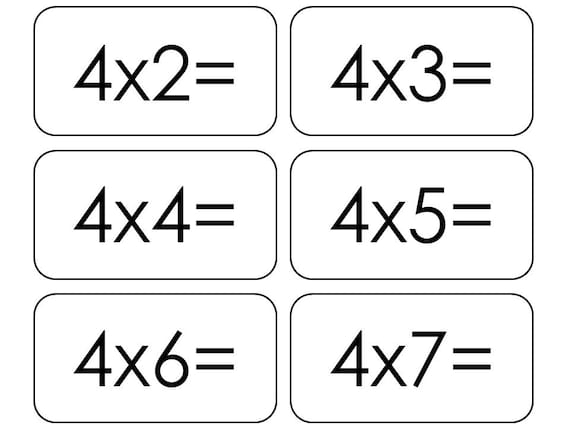
Keeping the system simple helps kids stay engaged. Use a dedicated space for flashcards, and consider color codes by factor (e.g., blue for 2s, red for 7s) to aid memory. Laminate cards or use sturdy card stock so they survive daily handling. Encourage partners to take turns; one student quizzes, the other tracks accuracy on a small chart. Short, frequent sessions beat long, infrequent practice. When progress stalls, switch to a game format for a few minutes, then return to quick review. The goal is steady, confident recall, not perfect scores.
Hands-on ideas
<h2>Creative game ideas</h2>Turn flashcards into kid-friendly games that reinforce facts without pressure. Try a memory-match where students pair a problem with its product, then race to finish a set. Use quick-fire rounds with a timer to build speed while keeping accuracy. Include a reflection moment where learners explain a quick pattern they noticed, such as multiples of five. Adapt the difficulty by choosing only certain facts each round, or add a cooperative challenge where teams help each other beat the clock. Finish with a short review that highlights strategies each student used, so peer learning becomes part of the routine.
Consistency, not intensity, drives long-term mastery with 4th grade multiplication flashcards. Make a simple plan that fits real life—a steady five-minute daily routine, plus a weekly longer review. Use a pocket chart, an index card box, or a binder to organize sets by product range. Encourage self-pacing: learners choose how many cards to cover per session and record results on a tiny chart. With this approach, the cards become a familiar tool, not a chore, and students begin to greet math time with curiosity and readiness. A quick end-of-week review helps seal the learning.
Remember, the goal is steady growth over time. Pair your printable practice with regular feedback, celebrate effort, and adjust pace to each learner. When 4th grade multiplication flashcards become part of a daily routine, students gain fluency, confidence, and the persistence to tackle more challenging problems. Use them as a flexible foundation in warmups, independent work, or partner practice, and watch recall click into place. Keep the cards accessible, rotate which facts are front-facing, and revisit older sets weekly to maintain retention. With patience and routine, progress compounds.