
as a special education teacher, I design routines that honor pace, predictability, and clear language. when students can anticipate what comes next, learning feels safer and more engaging. printable fun activity sheets give us flexible tools for practice and celebrating small wins.
These sheets come in many formats, from simple worksheets to coloring pages and calendar templates. They support varied learning needs by offering clear directions, visual supports, and modular steps. For students who read slowly, icons and chunked phrases reduce cognitive load; for those who need movement, cut-out task cards encourage hands-on engagement; for multilingual learners, bilingual labels and labeled images provide meaningful context. I often pair a single sheet with a small set of prompts or a checklist so students can track progress independently, then revisit questions in a guided review. When used flexibly, these resources create predictable routines that reduce frustration and build confidence.
printable fun activity sheets
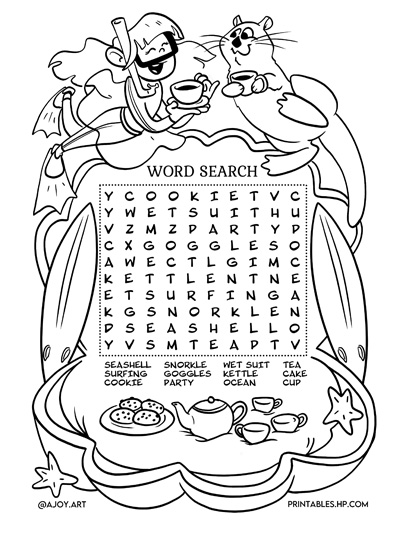
To choose the right sheet, I look for features that reduce attention barriers: larger print, high-contrast colors, and icons that cue steps. A map activity, a simple math practice, and a behavior reflection card can sit side by side in a station rotation, allowing students to select tasks that align with their current goals. Each page should have a clear objective, a small number of tasks, and a finish line that a student can see. By keeping directions short and concrete, I help learners who rely on visual supports or verbal prompts. These practical elements support independence while preserving the teacher's ability to monitor progress.
Flexibility shines when you adapt sheets to a student's pace. For quick finishers, offer a challenging extension, like an optional reflection or an extra puzzle; for learners who need more time, provide a one-page simplification or a matching game that reinforces the same concept. I also encourage pairing sheets with flexible seating, tactile manipulatives, or assistive devices when appropriate. Checklists can be printed for home practice so families can participate in the learning routine, while the same sheets remain accessible at school with teacher-led supports. The goal is steady engagement, not perfection, with every learner moving forward at their own speed.
Getting started
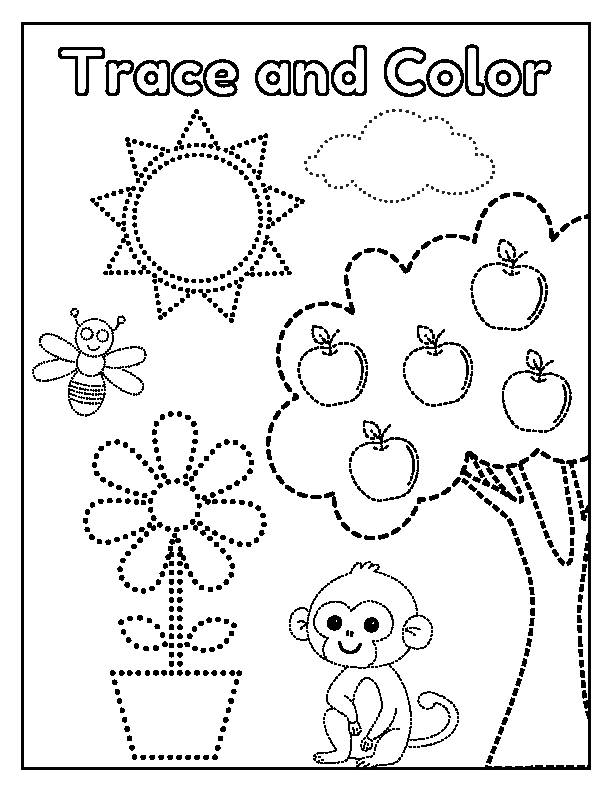
Authentic differentiation means meeting learners where they are. A student who benefits from picture cues might use a sheet with icons instead of text; another who reads slowly can rely on labeled diagrams and a larger number of practice targets. I build in options: a simplified version, a standard version, and an advanced version for those ready to stretch. With English learners, I pair labels in both languages and keep sentences short. For students with sensory needs, offer a version with fewer distractions and more tactile prompts. Regardless of level, celebrate small successes with a quick verbal check and a visual badge – positive reinforcement that keeps motivation high.
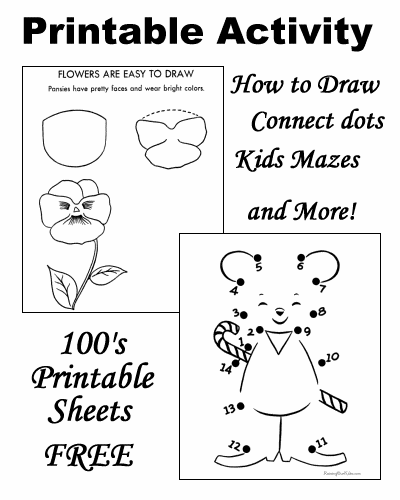
Finally, use these sheets as part of a broader assessment and communication plan. Data can be gathered by simple checklists: did the student complete the page? Were prompts needed? How long did tasks take? Regularly review progress with families and support staff to adjust goals. Include students in the process by letting them choose which sheet to start with or by modifying a page with their own drawings or photos. When families see accessible, structured activities at home, they often become reliable allies, reinforcing routines that help students transfer skills across settings.
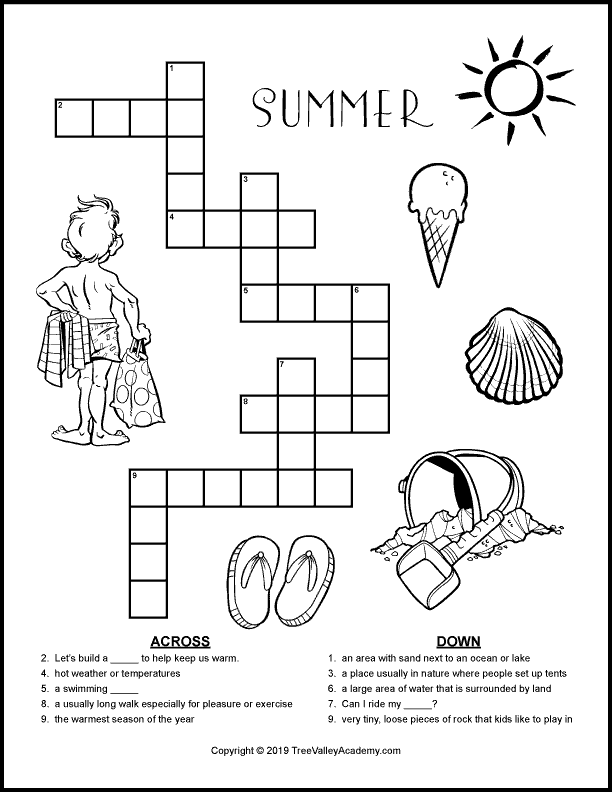
With thoughtful planning, printable fun activity sheets become more than worksheets; they become adaptable allies in inclusive classrooms. When I design for clarity, choice, and rhythm, every learner has a better chance to participate, grow, and feel successful. That is the heart of effective teaching in diverse classrooms.