
I design simple tools for early readers, and this free printable upper and lower case alphabet chart is one I keep returning to. It helps kids notice letter shapes, trace pathways, and build daily recognition without clutter. That extra clarity pays off during quick reviews and small group practice.
On my workflow, this free printable upper and lower case alphabet chart serves as a reliable anchor for daily routines. It’s simple by design: uppercase and lowercase letters displayed side by side so learners can compare shapes quickly. I recommend printing on sturdy cardstock and laminating, then using low-odor dry-erase markers for repeated tracing. This approach keeps practice informal—kids can circle letters, say the sounds, and check themselves without feeling overwhelmed. I've observed that pairing minutes of tracing with quick naming games reduces hesitation before more complex tasks and serves as a quick, informal assessment when a child points to a letter and says its sound.
Pairing letters side by side
Using the chart in different formats keeps it fresh. I’ve printed a large two-column version for wall practice and a smaller booklet version for pocket tracing. For color coding, assign one color to uppercase and another to lowercase, which helps visual discrimination. You can also print a dotted-line variant for guided tracing, then switch to a solid line for independent work.
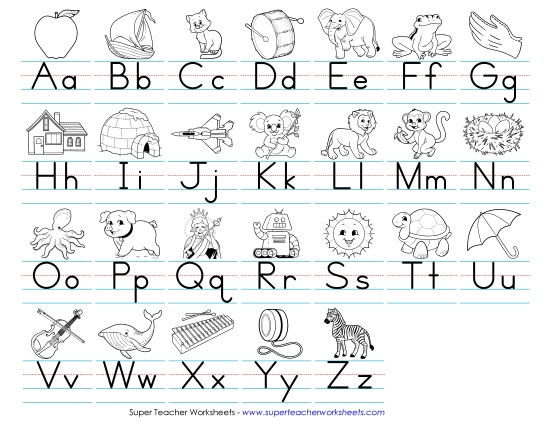
In small-group sessions, I pair the alphabet chart with a quick speed drill: call out a sound and have players point to the matching letter on the chart. In quiet centers, learners use a dry-erase board to imitate the chart’s layout while practicing handwriting forms. You can turn it into a scavenger hunt by hiding letter cards and having kids locate the uppercase or lowercase version on the chart. For emergent readers, start with a single row and gradually add a second row as confidence grows.
Printer and customization tips
To make the most of it for diverse classrooms, consider accessibility tweaks: larger print, higher-contrast colors, and simple fonts without serifs. If you’re working with non-native speakers, pairing the chart with a mnemonic cue for each letter reduces cognitive load. I also keep a handwriting line at the bottom of some prints so learners can practice forming uppercase and lowercase characters in the same session. When you’re ready, you can introduce tracing guides for letters that share similar shapes, such as b and d, to build visual memory before moving on.
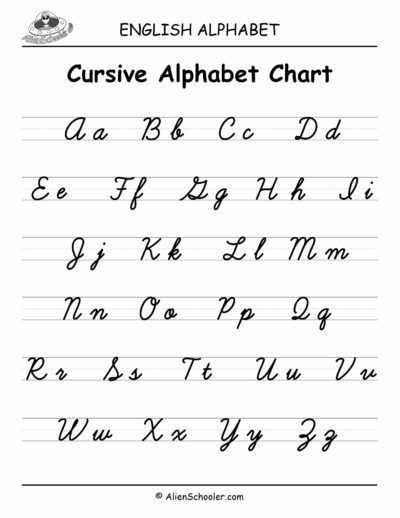
Each printable can be kept ready on a clipboard or tucked into a lesson plan binder for quick reference. When I design a new color variant, I test it with a small group before wider distribution to catch spacing or readability issues. Keeping a consistent layout across versions reduces cognitive load for learners and makes it easier for supervising adults to model the activity. If you want to extend the practice, you can combine the chart with short story prompts that involve letter names, sounding them out as you read.
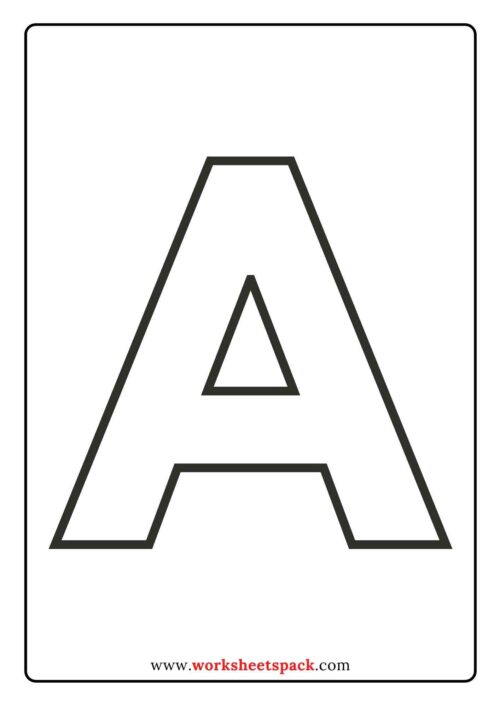
As a resource creator, I aim to keep practical, low-stress options within reach for families and teachers. The free printable upper and lower case alphabet chart is not a one-size-fits-all gadget; it’s a flexible scaffold you can adapt as needed. Let learners lead the pace, choose the version they prefer, and revisit letters across days to reinforce memory. Pair it with short oral naming, a quick tracing routine, and a simple self-check before moving on. The beauty of a clean, printable chart is how easily you can mix it into routines without adding clutter. If you print it once and keep returning to it, you’ll see gradual gains in recognition and confidence.