
Welcome, friends and families. 6th grade division puzzles offer a gentle, printable way to practice division with curious hands and happy hearts. This article shares simple, kid-friendly ideas and activities you can print and use at home or in class, helping growing minds feel confident and steady.
These puzzles blend practice with play, so learners move from quick division facts to solving meaningful problems. You’ll find tasks that require sharing, grouping, and checking with simple reminders like 'count the groups' or 'add up the parts.' Using small objects—beans, buttons, or colored chips—helps kids see how many groups fit and what remains when the boxes aren’t perfect. A calm, steady pace invites careful thinking rather than rushing. Encourage verbal reasoning by asking, 'Why did you choose that divisor?' and, 'How did you decide when to stop?'
Ways to use these puzzles
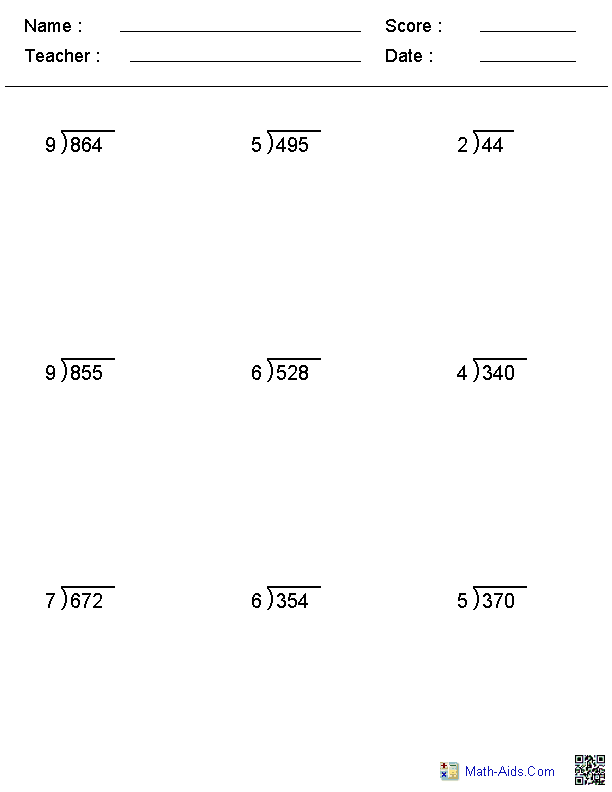
Teachers and caregivers can tailor these puzzles to different learners. Print a few pages for independent work, then glue them into small booklets for a gentle daily routine. For early finishers, offer a faster set with larger quotients; for learners who need a slower pace, pair puzzles with guided prompts and quiet indicators. You can switch between a paper page and a laminated version that students can write on with dry-erase markers. Add a quick 'check-in' moment where the child explains their thinking in one sentence, which helps you see where gaps might be. When a pattern appears—like many problems sharing by fives—pause briefly to celebrate the discovery.
To make practice concrete, use color coding for quotients and remainders, so young eyes can spot patterns. Encourage estimation first, then exact division, and celebrate small wins with stickers or a friendly compliment. Include a brief discussion prompt: 'What strategy helped you today?' This helps kids articulate their thinking and connects numbers to real-life problems. If a puzzle feels hard, guide with a hint: 'Try grouping into tens and ones' or 'Rewrite the problem with fewer steps.' Keep the language warm and concrete, and remind learners that mistakes are part of learning. Over time, you’ll hear fewer questions and more confident explanations.
Hands-on ideas
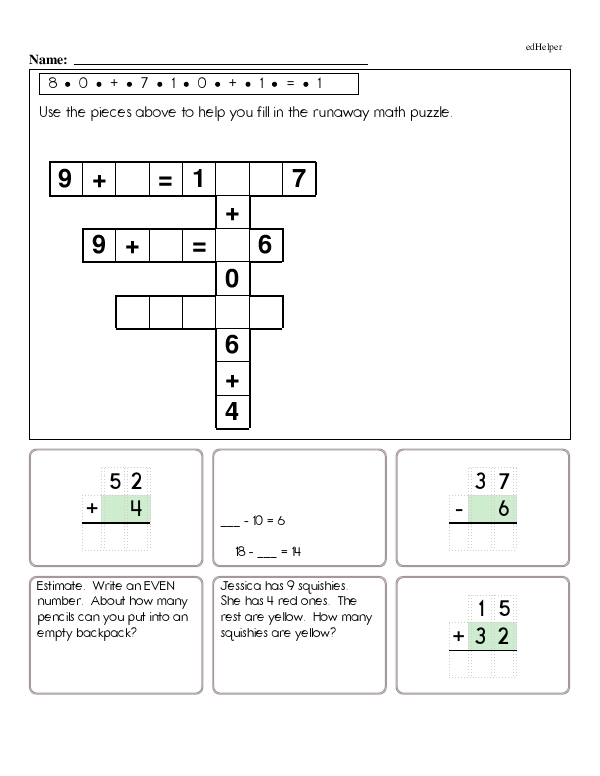
Try simple, tactile versions: count with beans, chips, or buttons to model each division step. Let kids arrange groups on a tray, then transfer the result to the puzzle page. A light, kid-friendly timer keeps pace, and a quiet corner lets learners take their time to check their work. Pair puzzles with mini talks about why division helps in daily life, such as sharing snacks or dividing chores. Offer a partner role where one child explains the pattern while the other checks the math, and rotate roles to keep the activity fresh and collaborative.
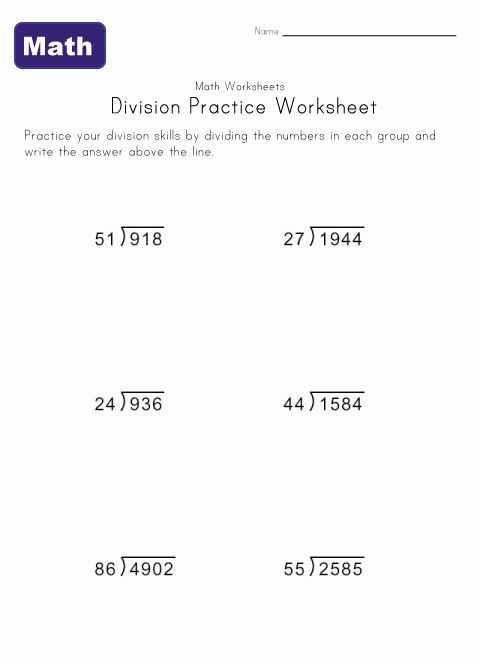
Adaptability is the heart of any printable resource. For younger learners, simplify a puzzle by breaking it into smaller steps with picture clues. For older 6th grade division puzzles, include a short stretch of word problems and a quick reasoning prompt. Invite families to review completed sheets together for a gentle math conversation, which reinforces skills without pressure. Provide a few optional extensions, such as creating your own puzzle with classmates’ numbers or turning a problem into a short story that explains the divisor, dividend, and quotient.
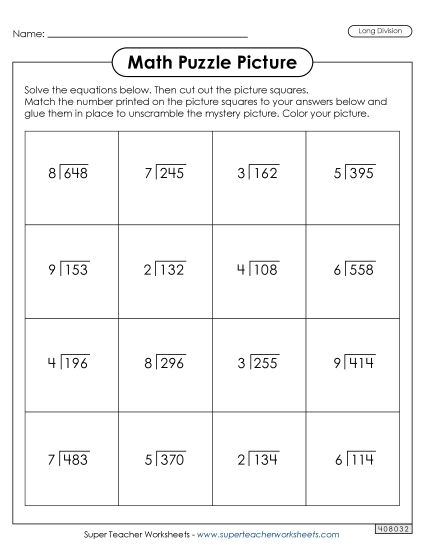
With a light touch and steady practice, division becomes a friendly tool. Keep puzzles colorful, short, and manageable, and celebrate progress more than perfection. When kids leave the table smiling, you’ve built a habit of thoughtful math that can grow into longer problem solving later. Remember to pace sessions around energy and attention, and to offer gentle encouragement after every attempt.