
Quality record routines begin with a printable boat bill of sale you can reuse. As your Organization Coach, I help teams turn paperwork into repeatable steps so boat transactions close cleanly, protections are clear, and both buyer and seller stay aligned.
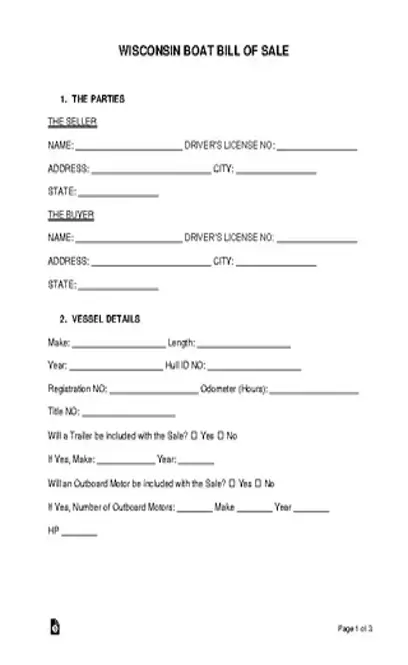
Think of a printable boat bill of sale as a turnkey tool for clarity and accountability. It standardizes essential details such as boat make, model, year, hull identification number, purchase price, and the date of sale. By using a consistent template, you reduce last-minute questions and forgotten signatures. A well-designed printable boat bill of sale makes it easy to create a signed record that both parties can trust. This is how a system shows up in practice: assign a responsible owner, schedule a quick fill-in session, and archive the completed form with your other boat records. The result is a portable, audit friendly document you can share with lenders, brokers, or co-owners. It also supports onboarding new team members into your sale process.
Key elements
An actionable printable boat bill of sale should clearly capture who sells and who buys, along with contact details. Record the boat's exact name, make, model, year, hull identification number, and its current condition. Include the sale price, currency, date, and the location of transfer. Add optional lines for lien status, disclosures, and any included equipment. Finally, provide spaces for signatures, printed names, dates, and witness or notary details if required in your jurisdiction. Framing these fields in advance avoids ambiguity and gives your team a reliable reference point during the handoff. Some teams also add a section for as is or sale without warranty, to align expectations. If required by law, attach a short legal notice at the bottom.
To implement this template, assign an owner of the process who ensures every required field is completed before the sale closes. Use a standardized checklist to verify that the buyer has received copies and understands the terms. Store the signed copy with your asset records and share digital backups with the appropriate parties. Regular reviews keep the template relevant as laws or local practices change. Keep a master copy in a shared drive and a printed backup in the operations binder.
Workflow tips
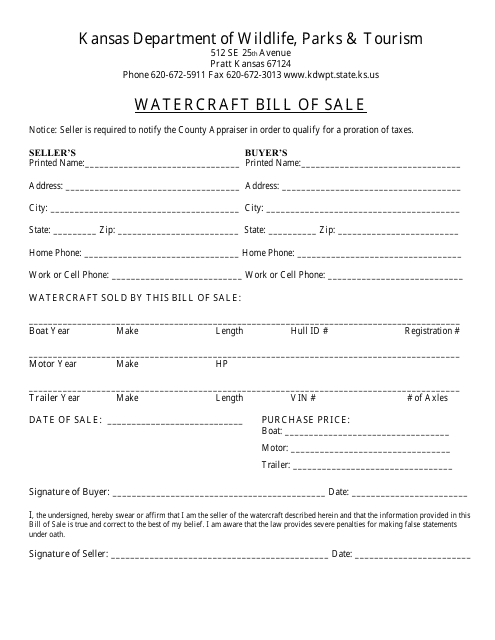
Customize the template to reflect local law and your business needs. Some jurisdictions require specific disclosures or signatures, so keep a separate notes section for legal requirements. Use consistent field names and a standard font, so the form remains legible whether printed or shared as a PDF. Consider pairing the bill of sale with a separate bill of sale for marine equipment, trailer transfers, and any loans or liens. Review the template annually to remove outdated fields and add new ones as regulations evolve.
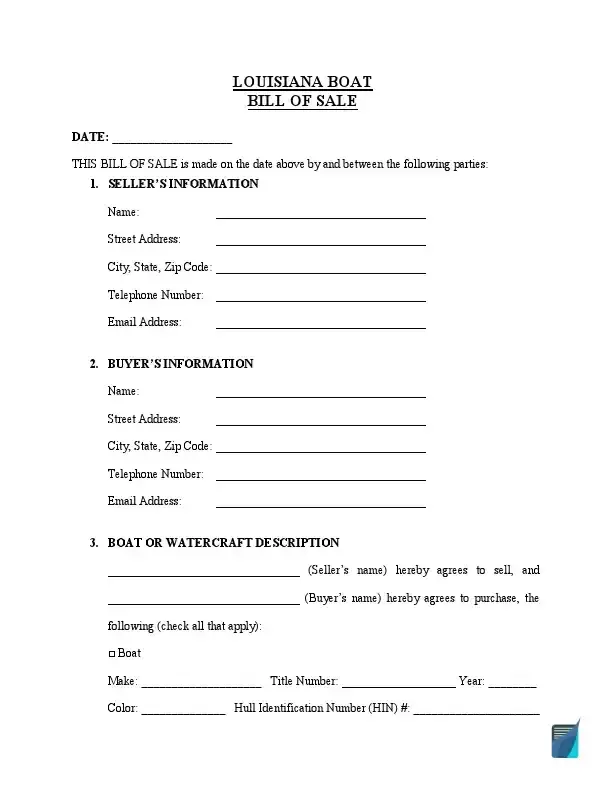
Organizational routines thrive when paperwork is integrated into daily practice. Create a simple trigger when a boat is offered or accepted, pull up the printable boat bill of sale template, fill the fields, and run through the checklist before finalizing. Use color coded folders or labels to separate drafts, signed copies, and archives. Over time, the routine becomes almost automatic, freeing energy for more strategic planning. If you work with brokers, align agreements so the bill of sale matches the contract terms.
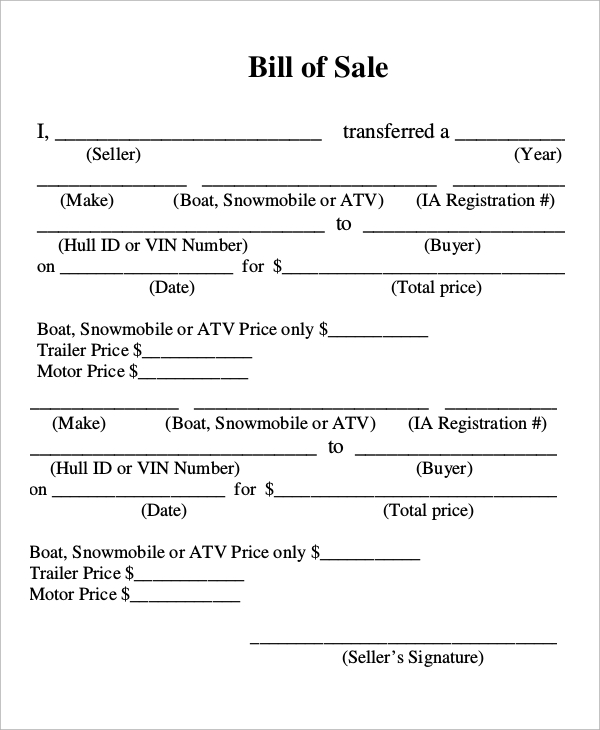
Close the loop by auditing your paperwork system every quarter. Review completed printable boat bill of sale records for consistency, legibility, and compliance notes. Archive both digital and print copies in secure, labeled locations and train new team members using the same template. A disciplined approach to one template creates confidence across buyers, sellers, and your organization, and it frees time for coaching your people toward higher value work. Document retention policies should specify minimum durations and secure destruction of obsolete copies.