
As a parent educator, I know how quickly moods shift during a busy day. I have found that printable emotion faces can turn feelings into words and give kids concrete ways to say what they need. When we pause for a quick check-in, learning and listening happen more smoothly.
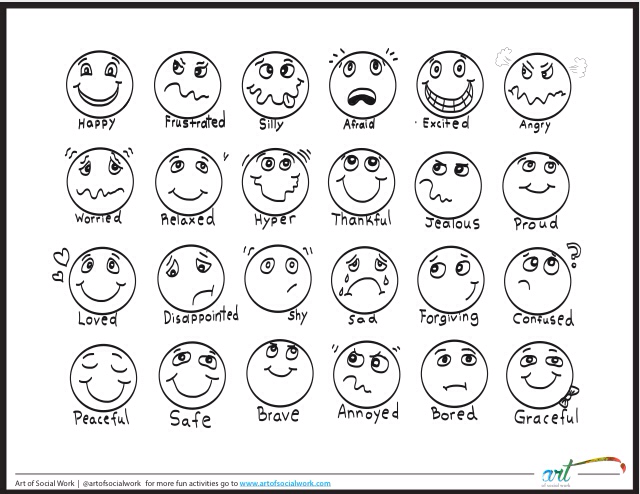
Begin with a simple chart posted at eye level. Each morning, invite your child to point to or color the face that matches how they feel, then share a sentence about why. This builds emotional vocabulary and helps you spot stress signals before they grow. At home, café-table chats about feelings become mini lessons in listening and problem-solving, not interruptions or chores. If you’re working with a reluctant reader, write keywords on the margins and point to them as you speak.
Using printable emotion faces
Beyond the chart, printable emotion faces can become a small toolkit for daily routines. Create a matching activity where kids pair a feeling face with a short sentence like 'I feel happy when we read together' or 'I feel tired after lunch.' Laminated faces can be used with dry-erase markers, so you reuse them daily. You can also turn the faces into a storytelling game: a character feels surprised, then asks for help, then calms down with a breathing exercise.
For younger children, color-coding by emotion and using gesture cues reinforces the link between feelings and actions. A printable craft, like assembling a feelings wheel, creates a tangible reminder of moods, not just the big ones. In a normal afternoon, we rotate through a few faces before starting homework, then revisit what helped us feel more in control. If a child’s frustration rises, you can pause together, point to a face, and choose a quick, kid-friendly coping step. Invite siblings to participate, too, so conversations stay natural and include different perspectives and celebrate when a quiet moment turns into an honest, shared understanding.
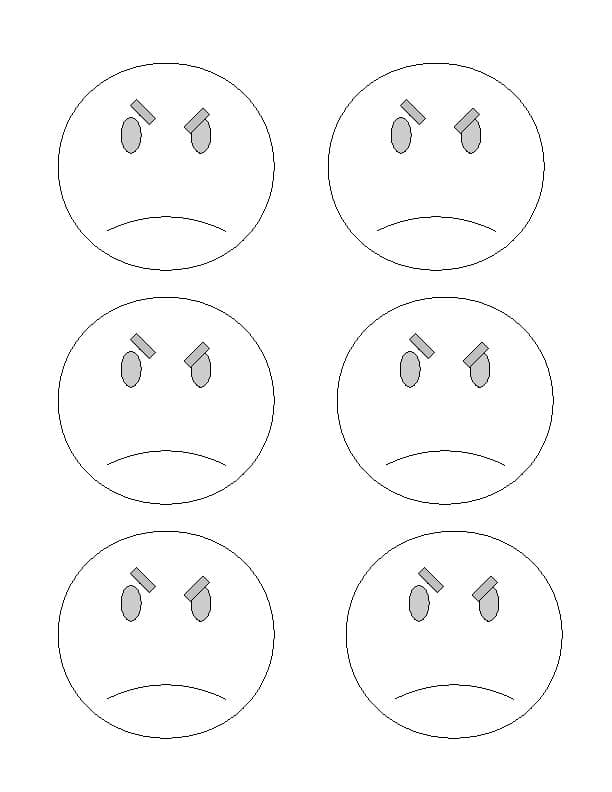
Practical steps
In practice, try a 15-minute routine a few times a week. Start with the faces, then a quick round of 'What helps me feel better?' followed by a plan you both can try, like a short breathing exercise or a cuddle break. Keep expectations realistic: celebrate small words, tiny steps, and steady progress. You’ll notice longer conversations grow as children gain confidence naming emotions and asking for help. If a plan falls flat, revise it together without judgment. If a moment goes sideways, pause, breathe together, and restart gently rather than correcting harshly. Your child learns resilience when mistakes are met with patience.
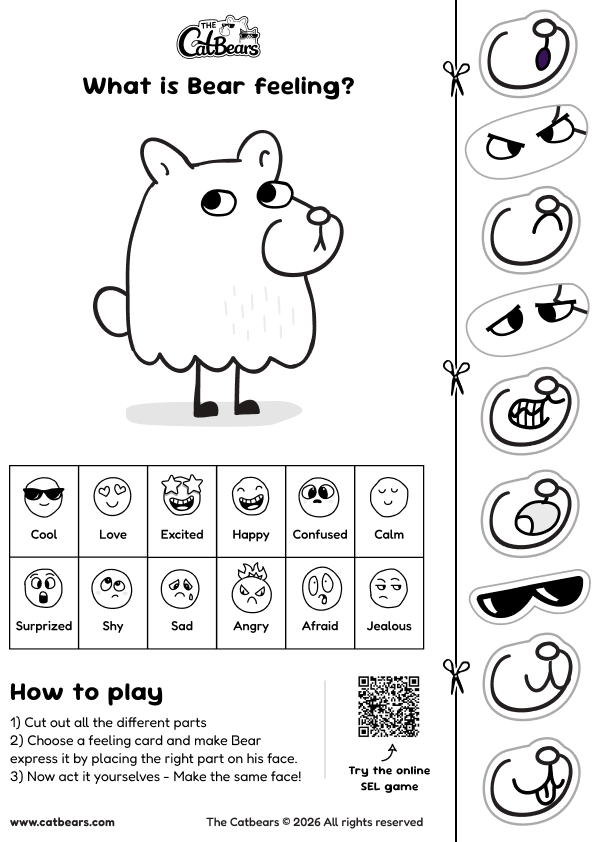
As children grow, let them take ownership of the system. Invite them to add new faces or phrases that reflect their steps toward calm or courage. A shared calendar with mood stickers can map patterns across a week—feeling excited on library day, or worried before a test. The goal is not perfection but connection: feelings become data you can discuss, not secrets kept inside. When you model calm talk, your child learns to narrate their own feelings aloud and to seek support without fear. Over time, you’ll notice mood patterns guiding routines rather than dictating them.
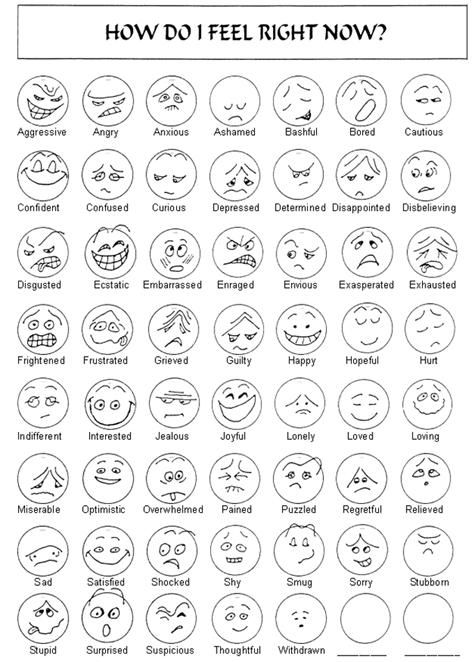
If you’re building a small library of social-emotional printables, start with a simple set and expand as your child’s language grows. Frequent, respectful check-ins build trust, while concrete tools like printable emotion faces anchor conversations in real life. The aim is to empower your child to name feelings, ask for help, and practice calm actions alongside you—one gentle step at a time. And remember, you’re building language and trust that will serve your child long after printables fade.