
As a special education teacher, I turn printable affirmation cards into daily moments of calm and focus. When students see concise, kind messages, transitions feel smoother and confidence grows throughout the day. The approach is practical and accessible for varied needs. I keep designs simple and predictable.
Accessibility in action
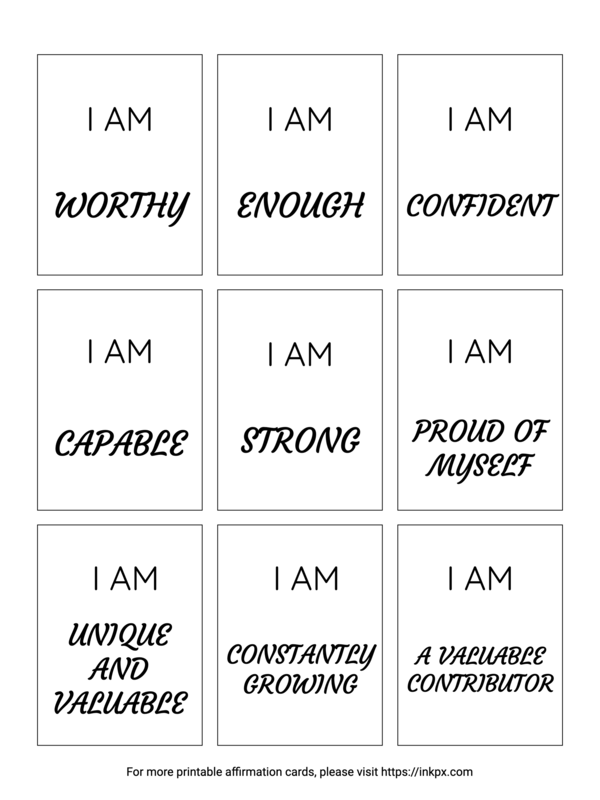
In my classroom, printable affirmation cards are more than decor. They function as quick supports for executive function: prompts to stay on task, reminders to use a strategy, or a nudge to pause and breathe before responding. I print sets with short phrases that mirror daily goals and pair them with simple pictures so students who are not ready for text can still access meaning. A deck on a student's desk serves as a nonverbal cue that help is available, while a second set on the door helps with smooth arrivals. For multilingual or emergent readers, I offer cards with visuals or translate key phrases alongside the English words. I also color-code by theme: focus, cooperation, self-regulation, so students can choose what resonates or rotate through themes weekly. This flexibility keeps supports lightweight, reversible, and easy to adjust as a learner's needs shift.
Practical uses
Printable affirmation cards shine when woven into routines. Use a card during line prompts, as a reminder to breathe, or as a cue to begin a task. For multilingual learners, include bilingual versions or picture-keyed messages. For students who need clear expectations, place a card at the workspace that mirrors the current goal. I also advocate for choice: let learners pick a card that resonates, or create a rotating display that highlights different strengths each week. When I laminate a few and attach magnets or Velcro, these cards can travel with students during group work or therapy sessions, preserving consistency across settings. The result is a simple, portable resource that teachers can adapt on the fly.
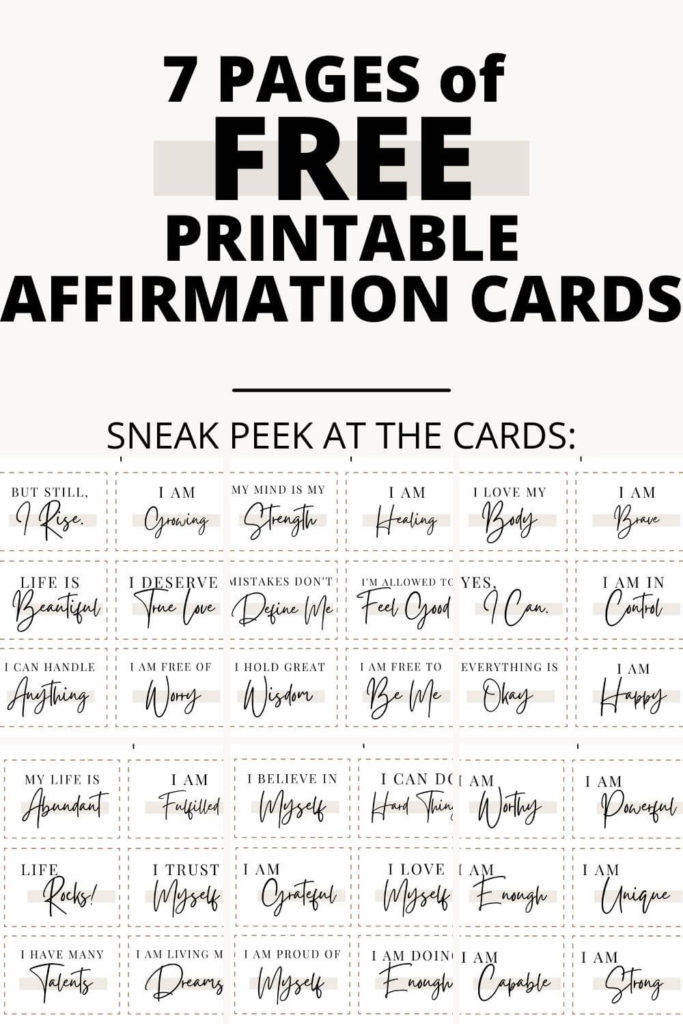
Design matters for comprehension and engagement. I favor short sentences, positive framing, and concrete actions that students can try. Pair each message with a matching image to support visual learners, and offer choices: focus, help, or organization, so learners can select a card that fits their day. If a card doesn’t land well, swap it for a different one and note what resonates. Keep language predictable and resettable, so students feel agency, not pressure. Finally, plan gradual fading of supports as independence grows, ensuring printable affirmation cards stay a flexible, student-centered resource.
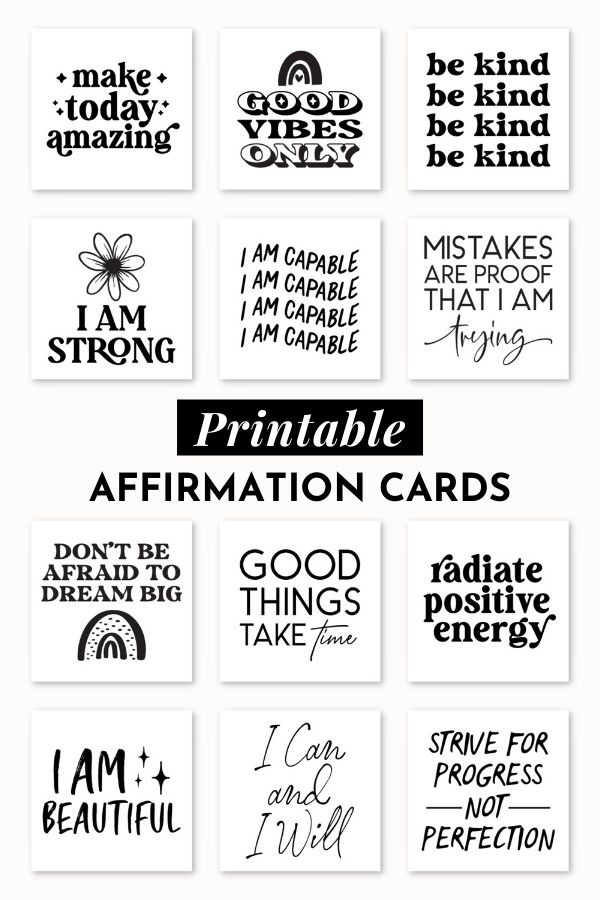
Routines that include printable affirmation cards help create a calmer classroom culture. I encourage families to print a set at home and talk about the cards during morning check-ins, building continuity between school and home. If a student needs extra time or a different format, I offer a modified deck with larger print or fewer words. A dedicated display area lets students revisit a few cards that match their current goals, and staff model using them together during small-group work. The goal isn’t perfection; it’s consistent, compassionate language that honors diverse learning speeds and communication styles. When students see their progress reflected in the language they hear daily, they start to associate effort with growth rather than judgment.
In closing, printable affirmation cards belong in every careful teacher’s toolkit, not as decoration but as a flexible resource. When designed with font choices, color contrast, and language deliberately chosen for accessibility, they travel across routines and settings to support calm, communication, and confidence. Start small by printing a starter deck and introducing it during a daily routine, then invite student feedback and adaptations. If a learner responds better to fewer words or a simpler image, adjust accordingly. Keep a simple system for rotating messages so the content stays fresh and respectful of where each student is on their journey. Share ideas with families and teammates, and recognize that progress may look like small steps rather than leaps. With patience and practice, printable affirmation cards become reliable touchstones that honor diverse needs and help students try again with courage.