
Grab a stack of printable genealogy sheets and bring family history to life after school. As an after-school instructor, I love turning stories into hands-on projects that spark curiosity, teamwork, and pride in every student's roots.
Kid-friendly formats
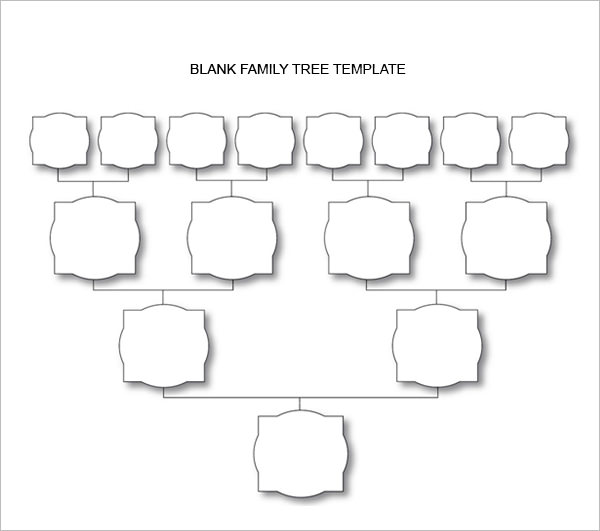
As students arrive after the bell, printable genealogy sheets become a launchpad for questions. We start with a simple family tree template, then expand to an ancestor list and a short timeline. I invite pairs to interview a relative or listen to a quick family story, jotting names, places, and dates on the sheets. Color-coding generations helps kids see connections at a glance, and quick partner chats turn facts into conversation. By the time we post the first draft, students feel linked to a bigger story. The activity also builds reading aloud, spelling, and discussion skills as we compare families and imagine how journeys shaped communities. We celebrate small wins with a gallery walk where students explain one fact they learned.
Engaging starter ideas
Printable genealogy sheets offer flexibility for different ages and attention spans. We use a mix of templates: a basic pedigree chart, an ancestor list, a timeline with bios, and even a map of family migrations. The goal is to let students choose formats that match their interests—some love timelines; others enjoy collecting photos or making mini booklets. I also make sure to keep materials accessible: bold fonts, high-contrast colors, and large boxes for quick writing. For home connections, families can contribute a story on one sheet or bring a photo to paste into a gallery page. Laminating sheets makes them durable for hands-on review during centers. These sheets also work as homework prompts or quick family interviews during weekends.
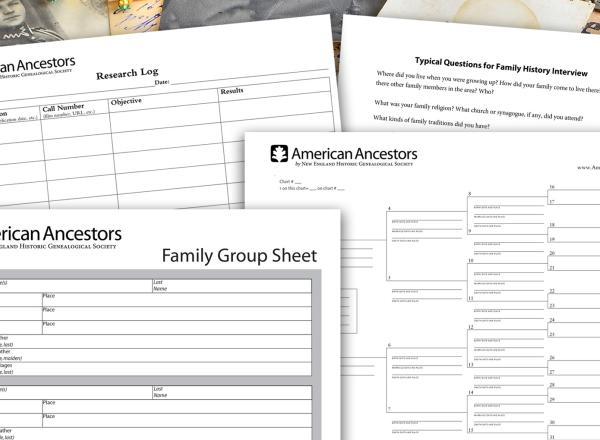
To ensure privacy and comfort, we discuss what to share and what to leave private. I model using safe placeholders (like first names only or initials) and remind students to ask before photographing or copying family stories. We keep everything in a simple binder or a shared folder so the class can revisit ideas. When students finish a sheet, I encourage them to summarize what they learned in a sentence or two. The process isn't about perfect data; it's about practice with organizing information, asking good questions, and presenting findings confidently. By the end of the week, many students proudly narrate their own mini-family stories to a partner or the class. We revisit older versions to track growth and revise details together.
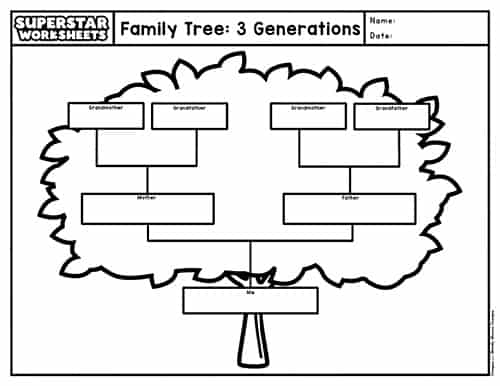
Implementing a short, repeatable routine makes printable genealogy sheets easy to fit into after-school schedules. I propose a five-day plan: Day 1, introduce the concept and show a completed example; Day 2, collect basic details from home or relatives; Day 3, fill templates with careful labeling and dates; Day 4, create a class display or small presentations; Day 5, reflect with a quick write-up. For younger kids, slow the pace and offer ready-to-use prompts. For older participants, add a challenge like tracing a migration path on a simple map or linking names to a timeline. The key is choice, collaboration, and a visible product that motivates everyone to keep exploring their family stories. I keep a simple checklist to keep everyone on track.
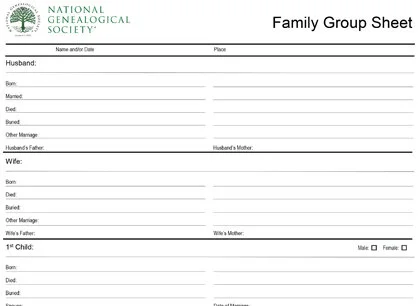
Printable genealogy sheets are affordable, flexible, and portable – perfect for after-school programs that travel between rooms or community centers. They invite curiosity, teamwork, and storytelling, turning history into a series of tangible, shareable moments. I love watching students transform blank sheets into colorful family portraits, then stand up to explain their pages to peers. If you’re collecting ideas, start with a few core templates and offer optional add-ons like photo pockets, labels for places, or a class glossary. Most importantly, celebrate progress—every completed sheet is a doorway to conversation, memory, and a sense of belonging to a larger family. If you need more ideas, rotate templates to keep sessions fresh.