
As a homeschool educator, I use practical resources to build financial literacy and critical thinking. A fake printable receipt can become a safe teaching tool when we discuss verification, details, and math skills without promoting deception. This article explains constructive ways to use it for learning.
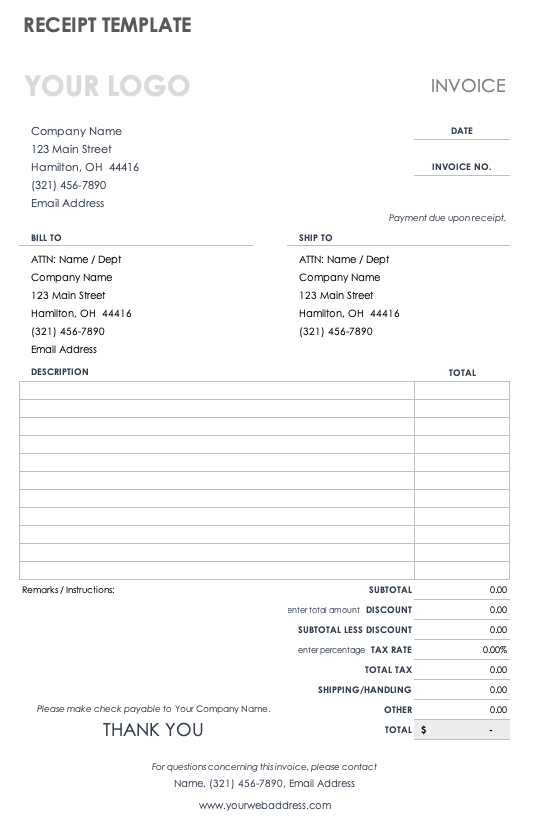
Using a fake printable receipt in a classroom setting empowers students to read for detail, practice basic arithmetic, and discuss ethics. I frame it as a safety exercise: never reproduce real data, always use fictional examples, and focus on what makes a receipt credible. The goal is discernment, not deception, and to build habits of careful verification before sharing or purchasing. We also discuss how to document observations in a learning log, so students practice evidence-based reasoning and reflective writing.
Spotting a fake printable receipt
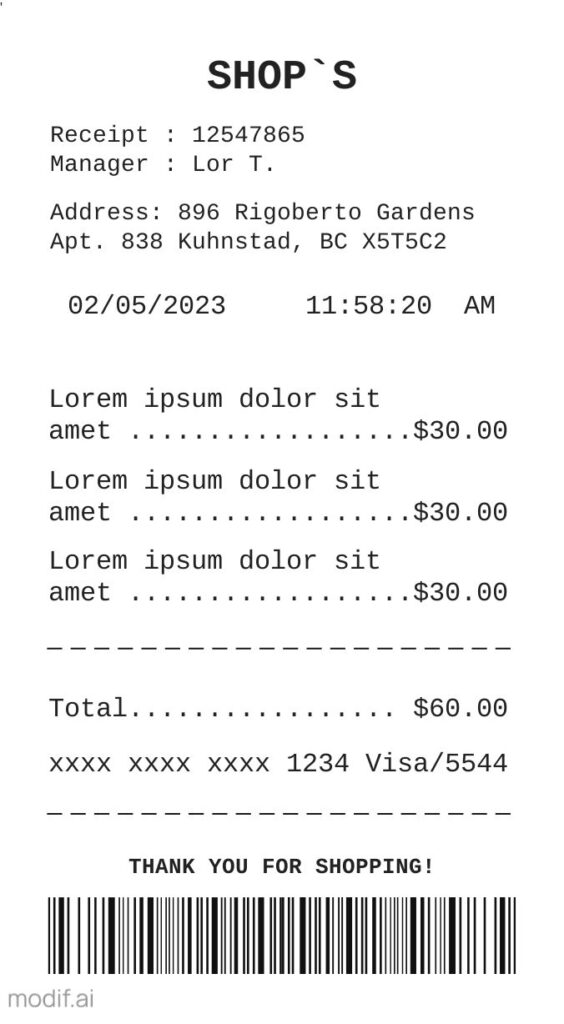
In this section, we discuss features to inspect: date alignment, item descriptions, totals, tax calculations, and the presence of any missing fields. Encourage students to compare fonts, spacing, and the placement of store logos, as well as subtle cues like where the receipt ends and whether a return policy is printed. Provide a guided side-by-side exercise where one receipt includes plausible inconsistencies, such as mismatched prices or irregular date formats. Students note red flags, justify their choices, and propose a corrected version.
Activity ideas for home learners can include a guided worksheet where students annotate two receipts, one legitimate and one flawed. Students record the issue in a short paragraph and propose a corrected version, then rework the totals to reflect plausible math results. Extend by adding a math task: compute discounts, tax, or tip based on the items listed, and ask students to explain each calculation aloud. Include a writing prompt that asks learners to describe how consumers can verify purchases in real life, reinforcing both math fluency and language clarity in one printable resource.
Benefits for learners
Students build critical thinking, data literacy, and ethics awareness. They learn to cross-check numbers, dates, and vendors, which translates to real-life budgeting and shopping conversations. For younger students, the activity focuses on reading comprehension and sequencing; for older learners, it can include responsible digital citizenship and discussions about common scams. By embedding the exercise in a broader unit on money management, families can link receipts to budgeting goals, catalog visits, or small business projects, making the learning relevant and scaffolded.
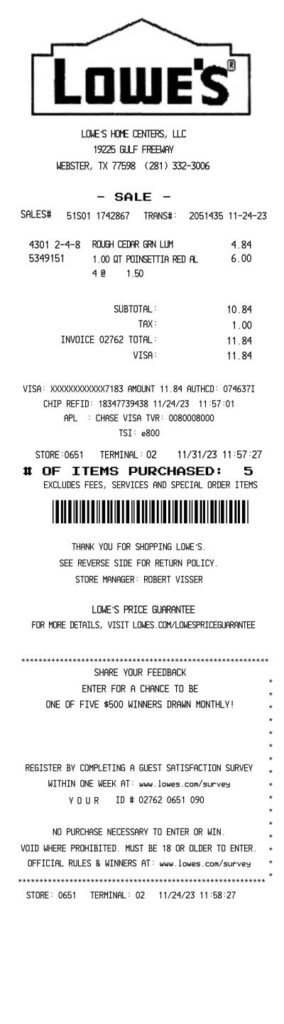
To keep learning safe and legal, emphasize fictional data, respectful discussion, and privacy. Do not reproduce real company logos or sensitive information. Use clearly labeled 'practice' items and provide a reflection prompt asking what changes would have made the receipt credible in a real context. Include a mini-lesson on how receipts are constructed, what information is legally required, and why scammers sometimes misuse familiar branding. Remind students that honesty and accuracy matter in everyday transactions, and offer a checklist they can carry into real shopping situations.
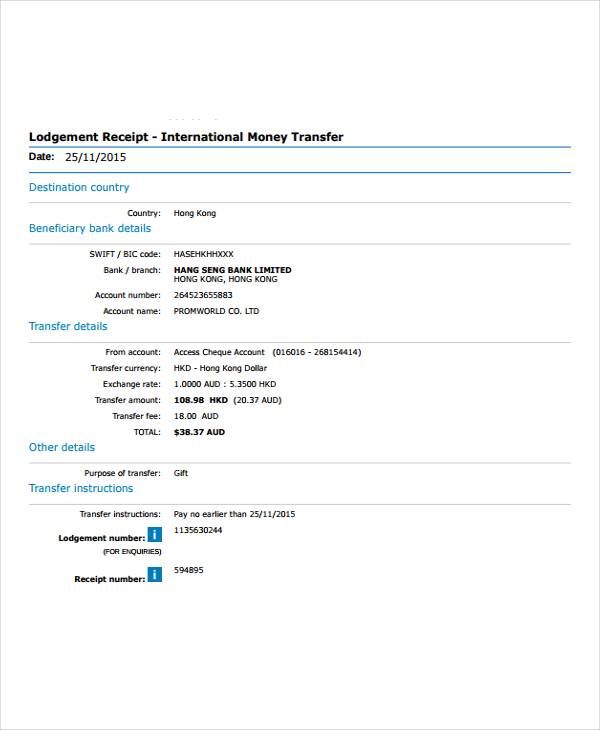
Close with practical steps families can take at home, such as printing a small workbook that combines receipts with simple math problems and a reflection page. Encourage learners to compare two scenarios: a straightforward purchase and a suspicious one, then write down the questions they would ask a store clerk. Suggest keeping a learning log for receipts encountered during family errands, plus a two-page project that asks students to design their own fictional receipt with clear learning objectives. With regular practice, identifying mismatches becomes a natural habit that supports responsible money management and thoughtful consumer choices.