
From the moment a child discovers a letter, curiosity blooms and practice becomes play. printable letter flashcards invite hands-on exploration and gentle repetition. In my activity books, I use them to anchor sounds, shapes, and confident word play.
Printable letter flashcards provide a flexible toolkit for teachers, parents, and tutors. They support daily routines like phonics warm-ups, center activities, and after-school practice without overwhelming learners. By pairing uppercase and lowercase versions, you help children notice letter shapes and connect their sounds with form. When used alongside simple games, these cards turn drill into exploration, helping kids feel successful as they progress.
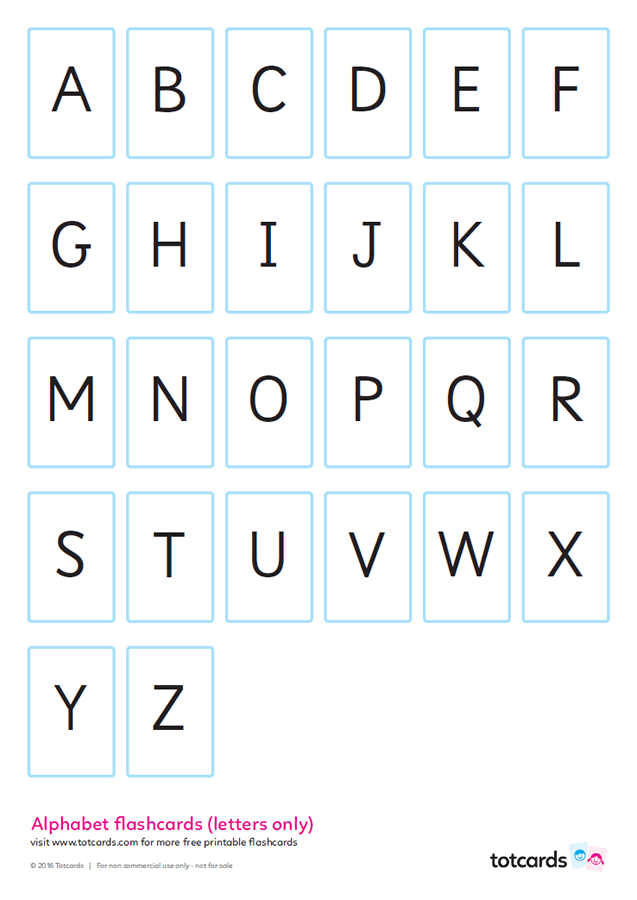
Practical printing tips keep the resources usable long-term. Use a bold font with clear spacing so letters stand out on the page, and keep margins generous for easy cutting. If you can, print on sturdy cardstock and laminate the cards to withstand daily handling. Consider offering both color and grayscale versions so families can print with different equipment, and assemble sets by color to support quick grouping.
Fun activities
Try a letter-sound bingo where you call out a sound and kids find the matching card. Create a mini-story chain by linking flashcards in a simple order, then ask students to repeat the sounds as they point and name the letters. For small groups, a quick 'turn and tell' game helps with articulation and memory, while a 'flip and spell' round encourages blending. The versatility of printable letter flashcards means you can tailor the pace, content, and challenge to a child’s readiness, whether at home, in a tutoring session, or in a classroom center.
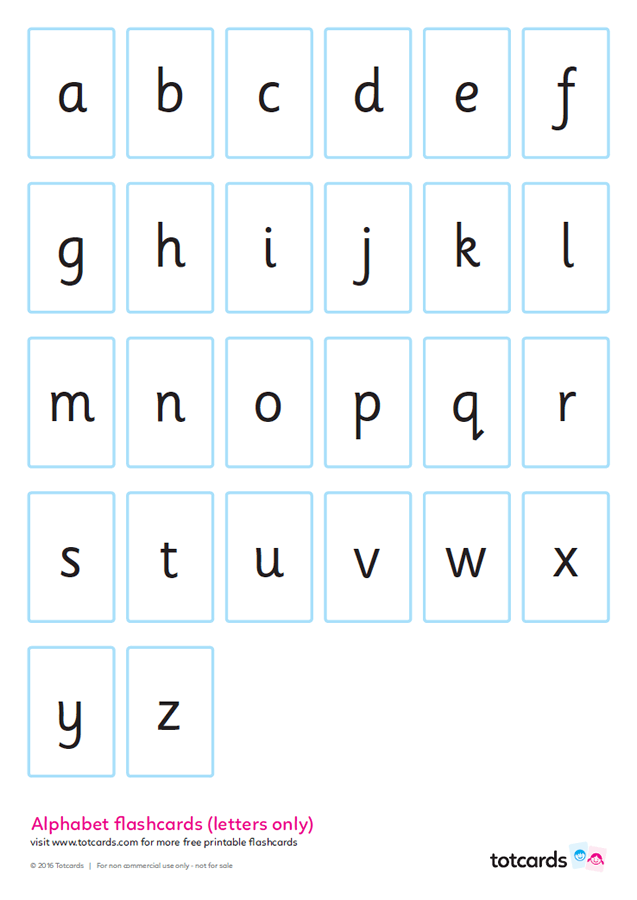
For learners with diverse needs, adjust the font size, spacing, and contrast to maximize readability. Use clear, simple sans-serif fonts and give options for tracing letters with a finger, a crayon, or a pencil. Pair each letter with a tiny picture or symbol to support recall without overwhelming the page, and include a Follow-Me version where a dotted outline guides tracing. These tweaks help make practice inclusive while keeping the activities lively.
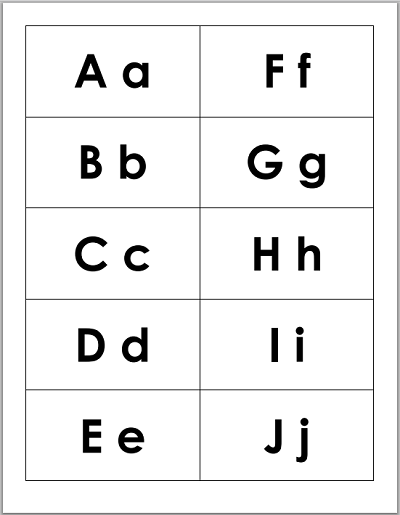
Keep a small cabinet of ideas: switch card sets weekly, mix in seasonal themes, and track which letters spark curiosity in each learner. When you rotate activities, you invite steady progress and reduce repetition fatigue, keeping practice fresh and inviting. With printable letter flashcards, you transform learning into a flexible, family-friendly routine that grows with a child from first letters to early words. Let learners celebrate small wins with sticker charts or a simple checklist.