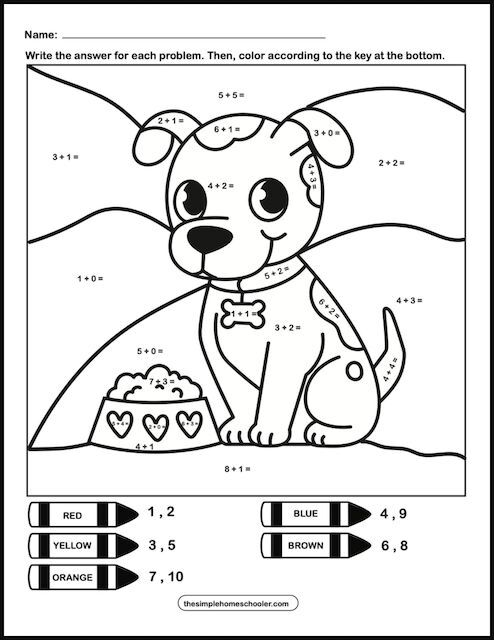
As a daycare teacher, I love quick, colorful activities that hold little ones' attention between routines. Our 3rd grade triple digit addition color by code helps students practice adding hundreds, tens, and ones while they color by number. It fits short work periods and calm transitions between centers.
This printable resource is designed for busy rooms where kids move between centers, snack, and circle time. The color-by-code approach helps students connect place value with a visual cue, which boosts accuracy and confidence. Students tackle three-digit addends, regroup when needed, and then color bars or boxes according to the sum. I like to start with a guided example on the whiteboard, showing how to line up numbers and check carries, then invite children to work at their own pace. Pairing with a buddy often sparks friendly discussion as they compare answers and explain their color choices.
3rd grade triple digit addition color by code
Because it's color coded, children rely on the visual cues to organize their thinking, which reduces the load on working memory. When a carry happens from tens to hundreds, I remind them to check the hundreds column first, then tens, then ones, using the color key as a quick reference. If a student struggles, offer a simpler problem or a different color block so they can rebuild confidence without frustration. After finishing, kids often enjoy turning the page over to see a final 'color-coded' total and hear their peers share how they solved each step. The routine becomes a calm, productive part of the day.
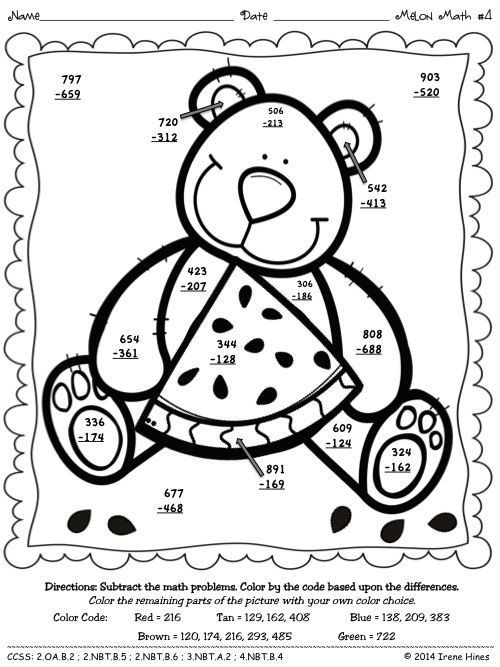
In our daycare, we keep the routine friendly and simple. We begin with a quick model, then give every child a moment to try, color, and check their work. If a student hesitates, we walk through a problem together, narrating the steps aloud. We celebrate accuracy, not speed, by acknowledging neat color maps and the reasoning behind each carry. A simple self-check at the end helps children see their own progress, building independence. This approach makes math feel like a memorable game rather than a test.
Teacher tips
To differentiate, offer easier addends for some students or a larger color palette with distinct shades. If a color-blind child, include symbols or patterns on the color blocks so they can still follow the code without relying on color alone. Use a clipboard or small tabletop easel so everyone can see the color key clearly. You can also extend the activity by asking students to explain why they chose a particular color for each column. Invite a caregiver to join in at home by sending a simple, illustrated copy that families can color together.
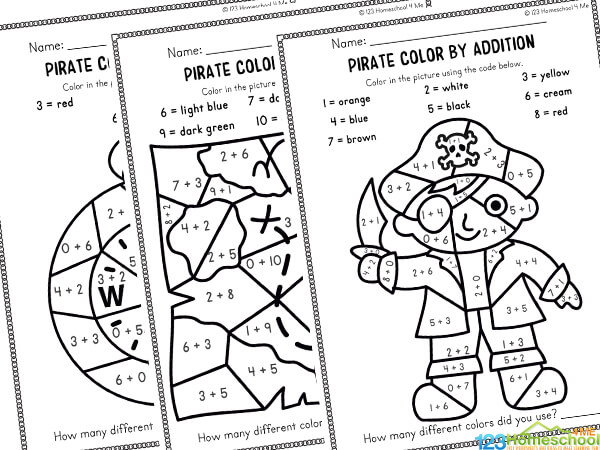
If you’re printing at home or in a classroom, consider a simple plan for families to use the same color codes with homemade copies. A regular routine—print, color, compare, and discuss—helps kids transfer the skill to other math topics like money or measurement. I also remind caregivers that every correct color mapping is a small victory, and that steady practice builds accuracy over time.
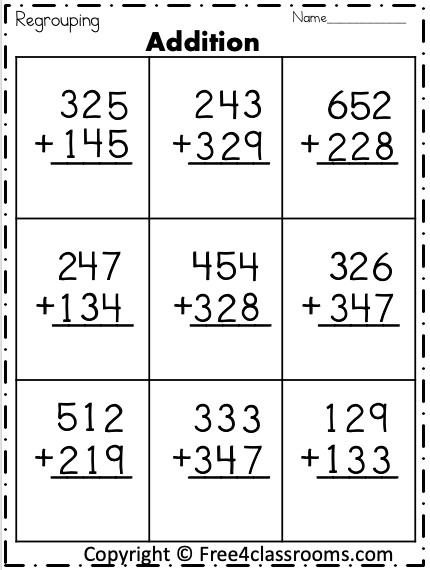
As we finish the color-by-code activity, I invite kids to share one thing they learned about place value and one color they enjoyed using. Short, positive feedback helps them connect effort with progress. When used consistently, 3rd grade triple digit addition color by code can become a friendly habit that supports early mastery of addition and mental math. Keep a little 'color board' nearby on the wall so children can reference the code while they work. With routine, patience, and a cheerful tone, this printable resource becomes a dependable part of your math rotation.