
As a parent educator, I see how 4th grade division puzzles turn a difficult topic into steady progress. When kids practice dividing items on a printable sheet, math feels like a friendly puzzle they can solve with clear steps and patience, right at home.
At-home routine
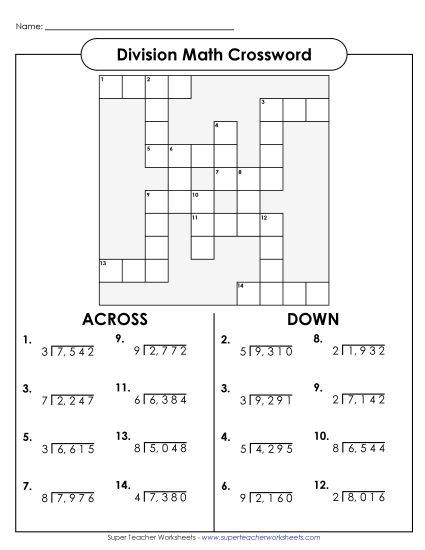
Printable division puzzles offer visual clues, friendly prompts, and manageable chunks that suit a home learning pace. You can start with simple quotients and gradually add remainders as confidence grows. By arranging items into groups, kids see why division works, not just how to memorize a rule. This kind of practice invites talking through the steps, which supports active understanding. A few color cues or drawings can anchor each step and make the process feel accessible even on a busy day.
Practical tips
Tips to get the most from 4th grade division puzzles include starting sessions with a quick warm-up, using manipulatives like beans or coins, and letting kids annotate the printable with colors to track each step. Encourage narrating the process aloud: 'I am dividing these 24 cookies into 6 groups, so each group gets 4.' Include a mix of word problems and standard division problems so learners see relevance. You can build a tiny routine by choosing a single sheet each day, then adding a challenge once the child finishes comfortably. Finish with a short reflection: what was confusing, what helped, and what you could try next.
Variety matters in a printable bundle. Some pages focus on dividing whole numbers, others on regrouping with remainders, and a few blend division with real life scenarios like sharing snacks or splitting a pizza. Color-by-number sections, matching games, and mini-challenges can keep attention without fatigue. Having a small, organized stack of puzzles on the table creates a routine that kids can anticipate. When needed, switch formats to prevent boredom and tailor the difficulty to the learner's pace.
Supportive strategies from home are key. Sit with your learner for a few minutes, model the first two steps, then pause to let them try. Use gentle prompts instead of right-wrong judgments, and celebrate the small wins—correctly identifying the dividend, or completing a puzzle without prompts. If a child struggles, break the problem into two steps: find the divisor and estimate a quotient before performing exact division. Keep sessions short but frequent, and connect the math to real life so the child sees relevance beyond the page.
Printables for 4th grade division puzzles can become a calm daily ritual that builds confidence and accuracy. A 15-minute window most evenings can turn practice into progress, especially when you pair it with brief feedback and a lot of encouragement. By weaving math into everyday life with these puzzles, you help kids see themselves as capable problem-solvers, one page at a time. If you print a small bundle and place it in a dedicated folder, you'll notice smoother transitions from homework to weekend projects and, over time, greater independence.