
The 3rd grade triple digit addition games you print at home or in class can turn the work of adding hundreds into inviting, bite-sized practice. As a Special Education teacher, I design these materials to be accessible, easy to progress through, and flexible for different learners.
These games center on number sense and place value, which are crucial as students move from two-digit to three-digit sums. I routinely combine quick flash card rounds with printable boards, so students can visualize carrying and regrouping. By offering choices—color-coded digits, dice, or spinner tasks—I respect varied attention spans and processing speeds. Clear directions with step-by-step prompts help students who benefit from explicit instruction, while allowing peers to move at a comfortable pace. When a learner struggles, I prompt with concrete tools such as base-ten blocks and number charts to rebuild confidence.
Differentiated design
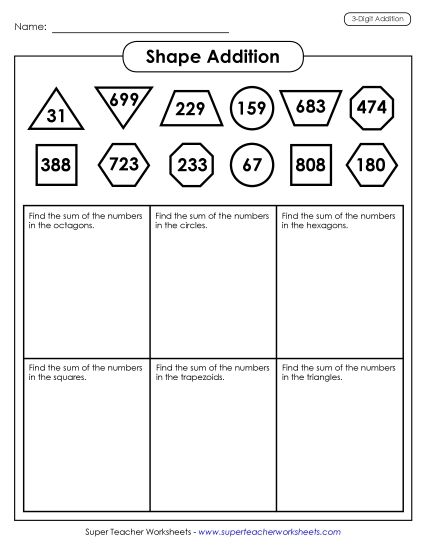
To support learning for diverse students, I include chunked tasks, simple language, and visible models. Each page uses a consistent layout so students know what to expect, and learners can tap into prompts or checklists as needed. Visuals, larger print, and high-contrast colors reduce cognitive load while keeping the math front and center. The printable design also includes optional answer keys to support independent work when appropriate and space for students to note the strategy they used. I encourage teachers to label steps clearly, like identify values, regroup, and check with a number line, so the process feels doable for learners who need explicit cues.
Printable formats vary to meet different strengths: a one-page worksheet that emphasizes regrouping, a small board game with move-by-move instructions, and a color-coded answer sheet that helps students self-check. I design these pieces so a teacher can assemble a quick rotation, a parent can guide a short practice session, or a student can work independently with minimal confusion. The activities invite flexible grouping, so students can work with a buddy or in a quiet corner, reinforcing turn-taking and language supports during math talk. Optional extension tasks invite faster processors to deepen their reasoning without slowing others down.
Practical tips
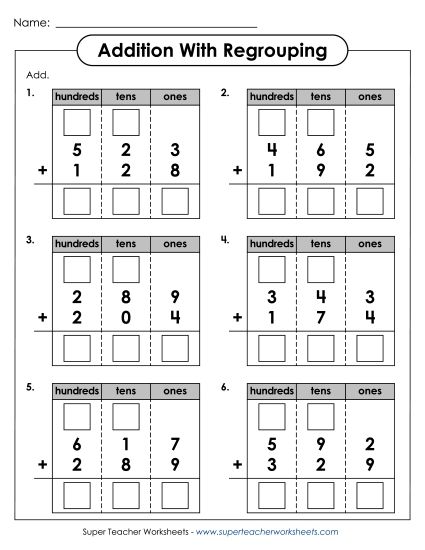
When used regularly, these activities support steady progress in place value and addition fluency. I scaffold with explicit examples, model think-aloud strategies, and provide a quiet space for processing. Students benefit from peer support, trusted prompts, and a calm routine that reduces anxiety around math tasks. Regular progress notes help me adjust the level of challenge and ensure accommodations remain in place. I also offer sensory-friendly options, such as tactile counters or larger fonts, to support students with visual or motor needs.
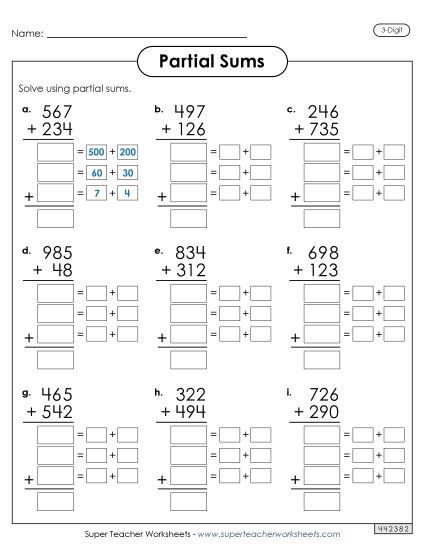
Getting started with printable sets involves choosing a few pages that align with current goals, laminating boards for durability, and preparing simple storage. I suggest starting with a short 10-minute rotation, then gradually expanding as independence grows. If a student needs extra time, I build in pacing options and optional extensions that keep the experience positive. For families, I include gentle prompts for at-home practice that fit into a regular routine, so progress stays consistent across settings.
Finally, celebrate small wins and reflect on what helped each learner. Use simple checklists to track accuracy and strategy use, and invite families to mirror successful routines at home. The goal of 3rd grade triple digit addition games is not only to improve numbers but to build confidence, independence, and a love of problem solving that students carry beyond the classroom.