
A printable hero mask offers a ready-to-use prop for classroom activities, parties, and imaginative play. It prints cleanly on common home printers and stores flat until use, then assembles with simple materials. This guide highlights practical choices for design, printing, and safe use.
Printable hero masks are commonly provided as ready-to-cut templates that balance detail with accessibility for home use. They are designed to print clearly on standard printers, with bold outlines and high-contrast shapes that help young crafters stay within the lines. When selecting a template, consider the wearer's age, the desired level of realism, and whether you want color areas for coloring pages or solid regions for easier assembly. A well-made template minimizes waste and simplifies alignment, so cut lines, tabs, and holes align consistently from print to print. For classroom projects, multipage packs let students compare different heroes and discuss distinguishing features. When printing multiple copies for a group, enable 'fit to page' and adjust margins to preserve scale. Some designs also include color palettes and costume notes to help non-artists achieve a cohesive look. If a template lacks clear guidance, test a sample print on plain paper first to confirm size and alignment.
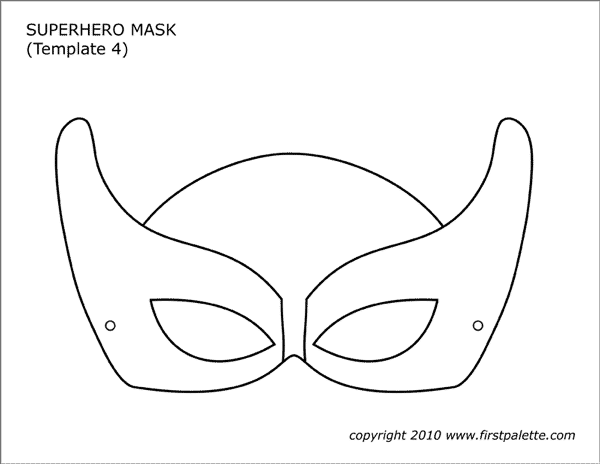
printable hero mask basics
To ensure a good fit, start with a template sized for the intended wearer and provide options for adjustability, such as an elastic strap or Velcro tabs. Cardstock or laminated sheets offer different durability levels, with lamination enabling multiple uses while keeping printing simple. When assembling, place holes for eyes and the strap in consistent locations, and avoid brittle finishes that could crack with frequent handling. For school use, provide a brief safety note on handling edges and adhesive.
Emphasize safety by choosing non-toxic inks and finishes, especially for younger children who handle masks during pretend play. Supervision during cutting and assembly helps prevent accidental injuries from sharp blades or rough edges. Use rounded corners, smooth tabs, and avoid small detachable parts that could become choking hazards. When not in use, store masks flat or in a protective folder to prevent warping or tearing. Regular checks during use help ensure ongoing safety.
printable hero mask tips
Printing and assembly begin with a calm workflow. Print the template on sturdy paper or light cardstock for durability, then cut along the outlines with clean, straight cuts. If the template includes color areas, you can color or leave them as-is to print in monochrome for a bold look. Punch eye holes and a hole for the strap, then attach an elastic or fabric tie using safe knots or fasteners. If you plan repeated use, consider laminating the mask and using reusable fasteners to shorten prep time. Keep a simple supply kit handy so students can finish with minimal interruption.
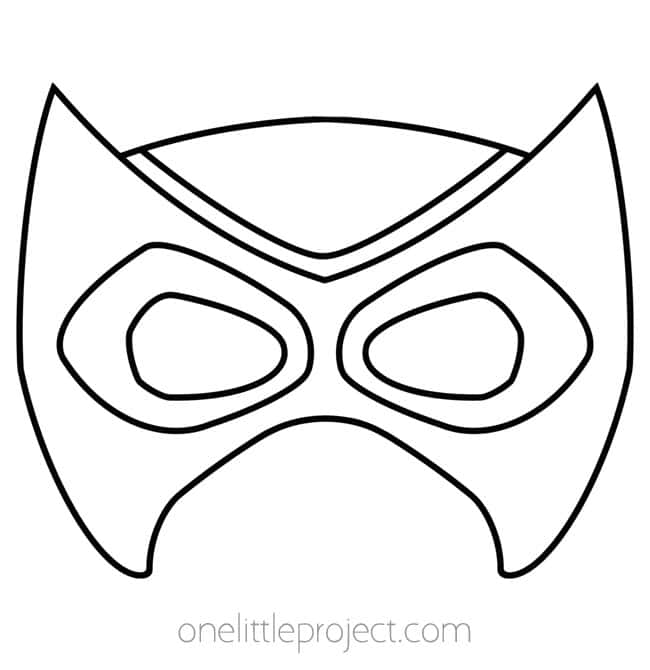
Beyond party time, printable hero masks support drama, literacy, and history lessons by letting students embody characters and discuss traits. Teachers can pair masks with short scripts, vocabulary lists, or social-emotional prompts. For pop-culture themes, choose heroes with clear silhouettes to aid recognition and discussion. Digital sharing allows grouping activities where students compare features and describe how different masks convey mood. When used as a writing prompt, students can write a short scene from the hero's perspective or create a backstory for their character. Integrate the activity with a brief reflection on character traits.
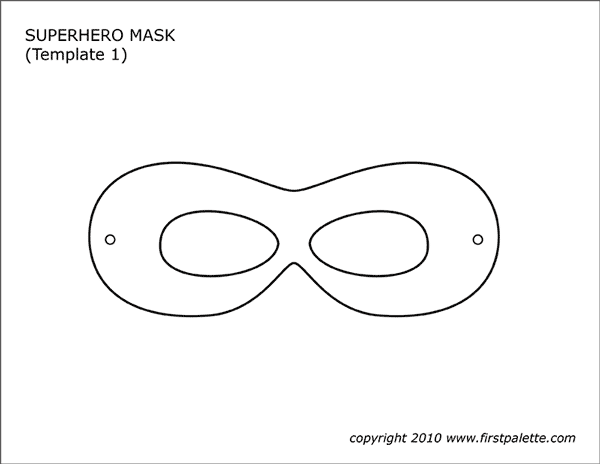
Choosing a trusted source for printable hero mask templates helps ensure consistent print quality and safety. Look for designs with crisp outlines, clear eye and mouth openings, and straightforward assembly instructions. Reputable providers often include sizing guides and accessibility notes for diverse learners. By organizing masks into a simple kit—one printed template per child, elastic, and a storage folder—you can streamline classroom or party logistics and reduce waste. Licensing terms may apply; respect attribution requirements when they are specified.