
Mastering the subject and predicate with clear, concrete examples for subject and predicate helps readers decode sentence structure quickly. This printable resource offers straightforward illustrations and activities that classrooms and homes can use to practice identifying who is doing what.
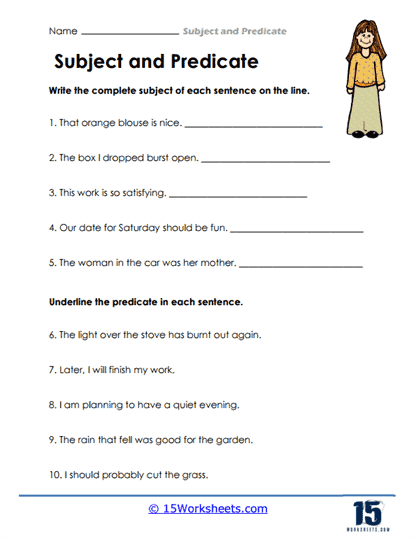
Subject and predicate are the core bones of any sentence. A subject tells us who or what performs the action, while the predicate describes what happens or what is said about the subject. In these examples for subject and predicate, learners identify the doer and the action, then rewrite or expand sentences to reinforce understanding. The printable activities are designed to progress from simple to slightly more complex constructions, so beginners gain confidence before moving to intermediate topics such as compound subjects and verb phrases. This approach supports explicit instruction and gradual release. Each step builds familiarity with sentence parts without overwhelming learners.
Examples for subject and predicate
Printable formats in this guide are designed for flexible use. Teachers and caregivers can print ready-to-go worksheets, cut-and-paste cards, and small poster templates that illustrate a clear subject-predicate relationship. Each activity includes simple directions, example prompts, and space for responses, so learners can work independently or with a partner. By starting with single-word subjects and short verbs, then gradually adding adjectives or more actions, the pace matches varied reading levels and keeps practice concrete. The layout keeps instructions short and predictable so students stay focused.
To extend practice, flip the prompts for a quick check of understanding. For example, students can determine the subject and predicate in sentences like The cat sleeps, The boy kicked the ball, or The flowers bloomed brightly, then rewrite them to emphasize different subjects or predicates. Follow-up tasks encourage students to pair subjects with new predicates, creating original sentences and sharing them with a partner. These steps reinforce recall and help you see where additional support is needed. Doing so helps learners apply the rule in fresh contexts.
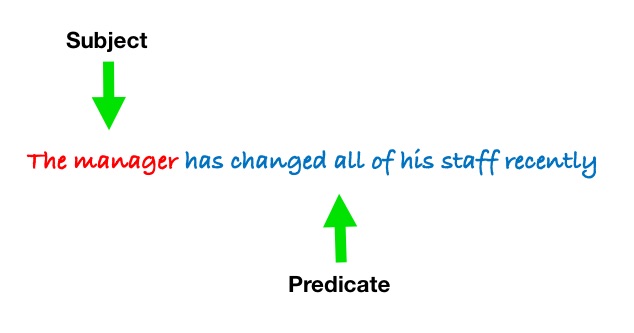
Printable formats
Hands-on activities make the concepts tangible. Use sentence-building mats that guide students to connect a subject card with a predicate card, then form complete sentences on a practice line. Card sets can feature varied topics such as animals, people, or everyday actions, ensuring relevance for different learners. For independent work, provide a short checklist that asks students to identify the subject, the predicate, and the relationship between them, then compare answers with a partner for quick feedback. Swap topics to keep sessions engaging and your printable resources reusable.
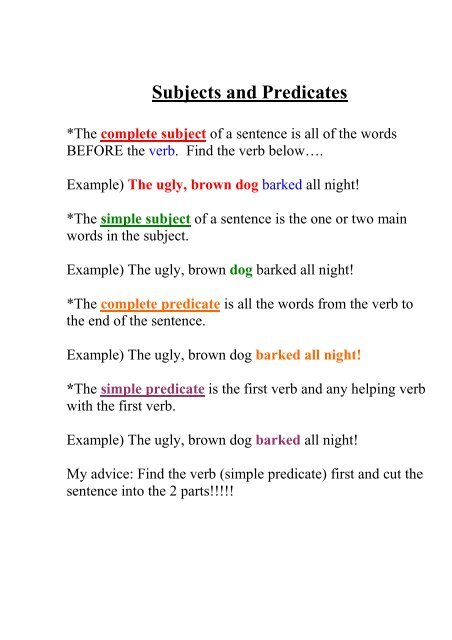
Effective differentiation rides on clear scaffolds. For mixed-ability classrooms, offer easier prompts alongside richer sentences, and give students options to demonstrate mastery using different formats—one student might complete a worksheet, another may arrange sentence strips on a wall chart. Encourage students to verbalize their reasoning as they match subjects to predicates, then capture their explanations in writing. A printable checklist at the end of the lesson helps track progress and signals when it is appropriate to advance. This keeps centers efficient and teachers' prep time predictable. Now with a tip: print multiple copies for centers and small-group rotation.
Closing the lesson with reflection solidifies learning. Review the key idea that the subject names the actor and the predicate tells what happens, then invite students to create their own mini-sentences using the printable templates. Encourage repetition over time with short weekly drills, so the pattern becomes familiar without becoming tedious. If you print these resources for classroom use, consider pairing them with a simple rubric that notes accuracy and clarity of the subject-predicate link. Finally, collect quick feedback from learners about what helped most and adjust future printables accordingly.