
Printable practice helps students slow down, check each step, and build confidence with 8th grade math problems. Well-chosen sheets cover algebra, geometry, and data interpretation, letting learners work at their own pace before moving on.
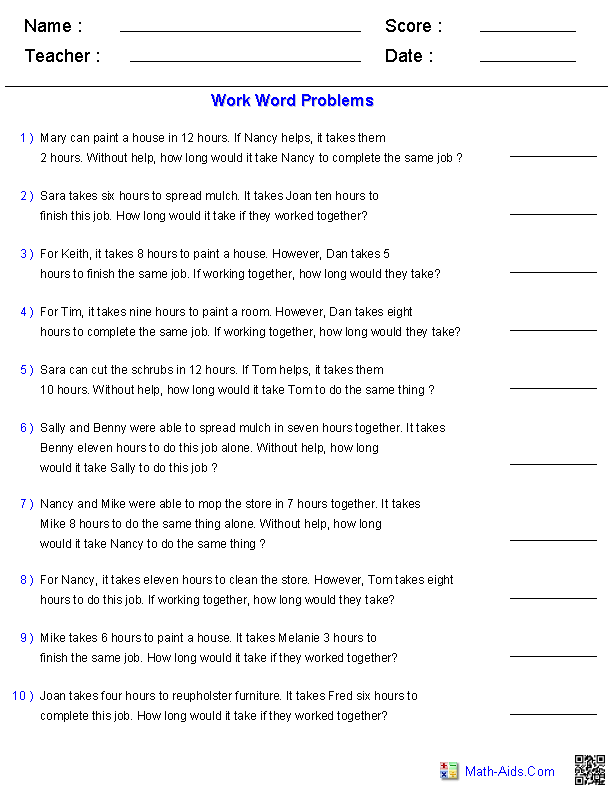
Printable resources provide structure for weekly routines. They align with common core standards for 8th grade, including linear equations, systems of equations, functions, and geometry, plus data analysis. Use them as warm-ups, exit tickets, or longer practice blocks. By printing several variations, teachers can customize difficulty, focus on trouble spots, and ensure consistent exposure to new problem types. When students work on paper, they often show more careful reasoning, which provides easier targets for feedback and improvement. Additionally, having a physical sheet reduces screen fatigue and creates a tangible reference students can return to during independent work. In planning these sheets, I encourage teachers to mix independent practice with brief, collaborative checks. A well-paced cycle of problem solving, discussion, and revision helps students internalize methods rather than memorize tricks.
8th grade math problems
When selecting or designing a printable set, think about progression. Start with one-step problems to build fluency, then introduce multi-step reasoning that requires organizing information and explaining steps. Include a mix of formats: word problems, graphs to interpret, and real-world scenarios that connect math to daily life. A layout that leaves space for work and clearly labeled answer boxes helps students stay organized and reduces cognitive load during solving. Consider accessibility: larger font, high-contrast colors, and a simple answer key that anchors teachers during feedback. Include scaffolded hints or guided prompts for students who need them and optional extension questions for quick challenge. This thoughtful design supports a wider range of learners and makes the printable resource a reliable tool, not a one-size-fits-all exercise.
Tips for using printable resources include: set a clear goal for each sheet, use a quick 5-minute warm-up before the main task, and finish with a brief reflection. Encourage students to show all work and circle key steps. Color-code sections to separate algebra, geometry, and data problems, and provide a simple rubric for feedback. Pair students for peer review to discuss strategies and misconceptions. Keep a ready answer key handy for quick verification, and add a short written reflection to capture what helped and what tripped them up. You can also offer a second, slightly harder version of the same sheet for fast finishers or seal in mastery once the first pass is complete.
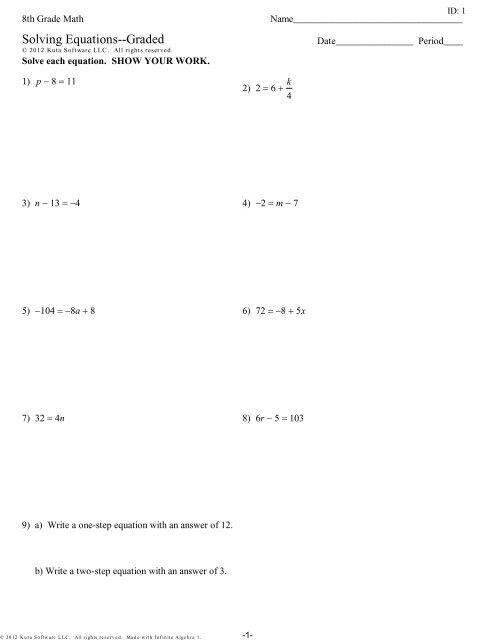
Student-friendly design
A typical activity might include a five-problem mini-worksheet on solving linear equations, followed by a real-world prompt requiring interpretation of a chart. After completing the problems, students compare approaches and justify each step in a sentence or two. This structure reinforces procedural fluency and conceptual understanding. A reflection prompt helps teachers assess where students still struggle. For younger learners, provide a guided example first, then gradually remove supports. For advanced students, offer an optional challenge that connects the math to a practical scenario, such as budgeting or measurement planning.
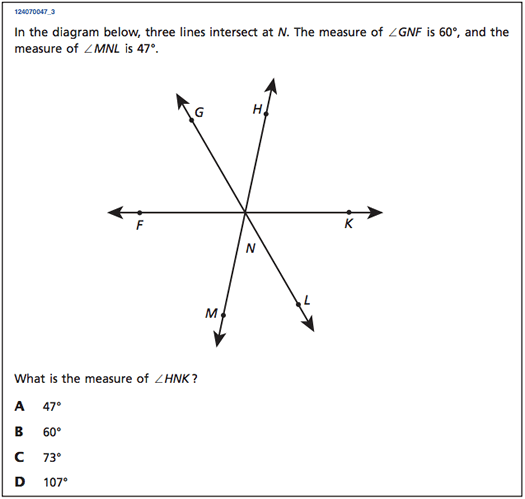
Scheduling practice through a printable planner helps families and classrooms stay coordinated. A simple weekly plan with daily goals, a page for completed work, and a brief mastery checklist gives students a sense of progress. Use the planner to reserve time for review, error analysis, and targeted re-teaching as needed. Consistency matters, and a steady rhythm of practice across weeks yields visible gains in accuracy and confidence. When teachers model the process in class and students see the steps written, independent work becomes less intimidating and more predictable.
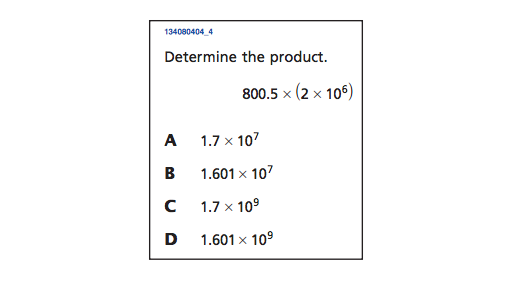
In my experience, steady, low-pressure practice with 8th grade math problems builds fluency and independence. Printables work best when paired with brief explanations and modeling from the teacher, followed by independent attempts. With patience and thoughtful feedback, students develop both skill and perseverance, turning challenging topics into achievable milestones.