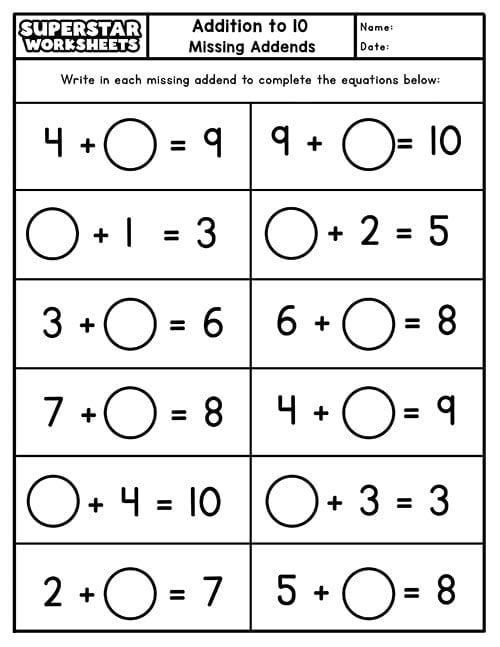
As your 1st grade single digit addition activities math guide, I design printable resources that make addition approachable. These routines use simple numbers, hands-on practice, and clear steps so students build confidence before moving to larger sums.
These activities keep lessons focused on single digit sums from 0 to 9. I favor printable formats that combine a quick model with independent practice. For example, a page might show three apples plus two apples, then a space to write the total. I include a simple color code so students track which addends are being combined. I include short prompts that encourage practicing with a partner for five turns.
Why this works
To use a printable resource effectively, begin with a quick model. I demonstrate a simple addition on the board or with fingers, then invite students to reproduce the setup on their page. A color by number style page can show each addend as a different color, so the child sees two groups coming together to make a total. After modeling, provide a short guided practice where students work with a partner or in small groups, using flash cards that feature sums from 0 to 9. Finally, finish with a quick check so students can verify their answers with a simple key. The goal is fluency and confidence, not speed, so I encourage deliberate counting and self checking rather than rushing to a final tally. If time allows, finish with a quick reflection diary where students jot one thing they learned and one question they still have. This helps consolidate growth and gives you a simple measure of readiness for the next milestone.
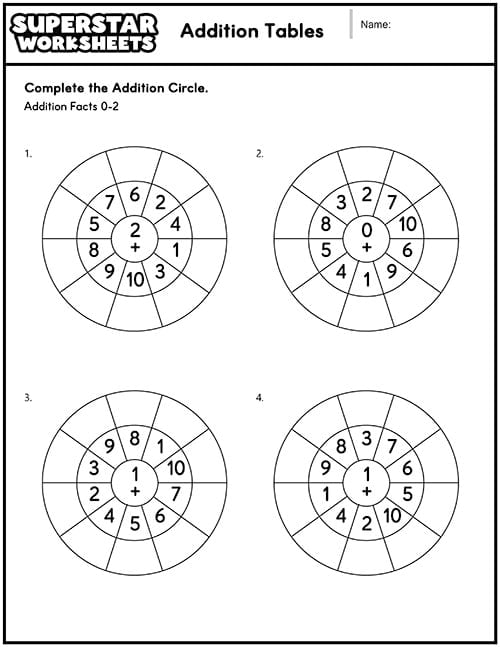
For students who need more support, invite them to use a ten frame or number line during the activity. A printable packet can include a dedicated ten frame page where students place counters and then count on to a total. For more capable beginners, introduce sums that include doubles and near doubles to build mental recall. You can also turn this work into a short weekly routine by posting a calendar of single-digit addition tasks, one per day, so learners revisit the concept repeatedly and steadily improve accuracy. Keep a labeled tray of manipulatives nearby so students can physically model their thinking when the page is challenging.
Practical tips
Consistency matters more than one long session. Schedule a short 10 minute block where students rotate through a trio of printable activities: a quick flash card set, a color by number page, and a simple word problem strip. Use a small whiteboard or laminated cards so students can show their work, then have peers check using the printed answer key. Finally, record progress on a simple checklist so you can adjust the difficulty over weeks. Keep the routine fresh by changing the order of activities and posing a new prompt every few days. Rotate roles so one student explains the steps aloud while the other checks for accuracy, then they switch.
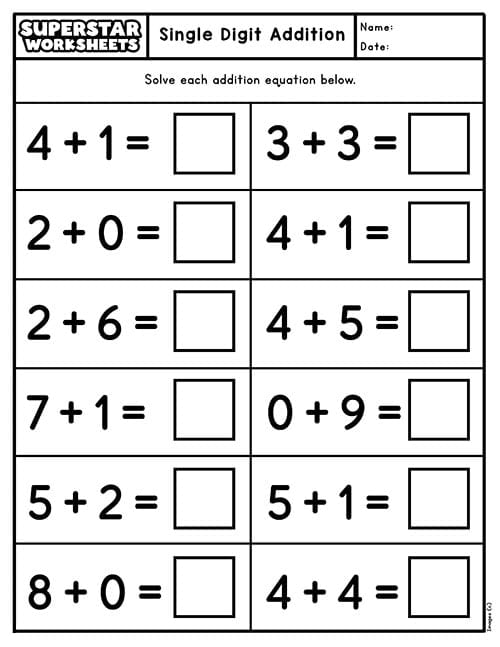
Seeing is believing, and printable resources give you an opportunity to observe growth. When a class repeatedly practices single digit addition on a color coded page, you can notice which sums students struggle with and tailor quick interventions. Keep the focus on sense making, not memorization, by encouraging students to explain their steps using math language like addend, sum, and total. Over time you will see students transfer these habits to more complex problems.
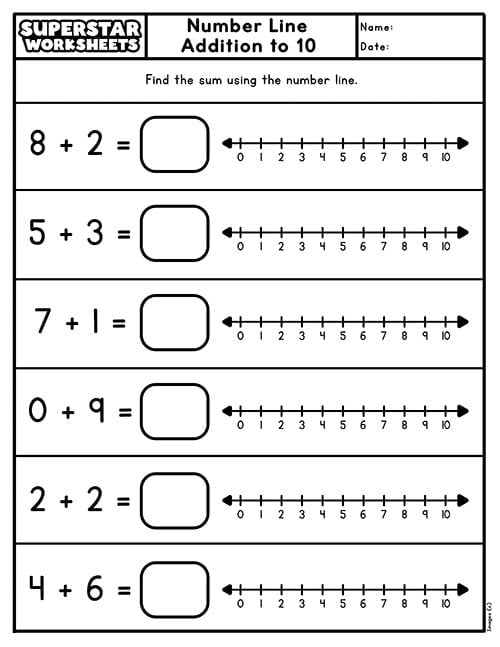
Choosing the right 1st grade single digit addition activities means balancing challenge with clarity. A well designed printable pack saves planning time while delivering consistent, age appropriate practice. Look for resources that combine visual models, simple language, and quick feedback so students feel successful and curious about math. Print a few sets, laminate them for durability, and keep them in a handy bin for quick access during math centers.